For Russia’s sanctions-busting A7 payment service, international transfers start with bags of cash at Moscow markets. At its peak, it processed at least 58 metric tons in a single month.
Sanctions against Russian banks and payment systems, along with their disconnection from SWIFT after Russia’s full-scale invasion of Ukraine, gave rise to shadow intermediaries offering Russians cross-border money transfers. Many have offices in the capital’s Moscow City business district, the investigative outlet Proekt reported in spring 2026.
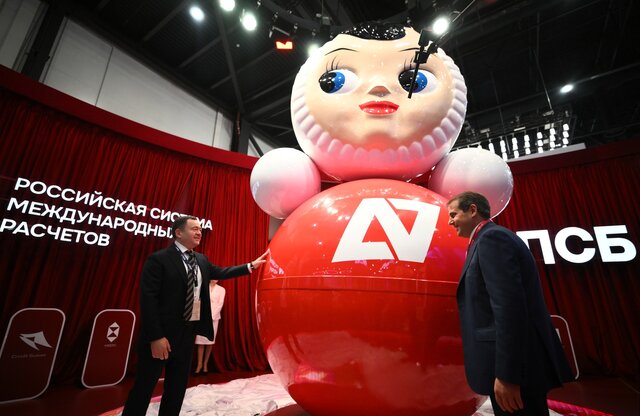
Russia's sanctions-busting payment service A7, owned by Moldovan businessman Ilan Shor with a majority stake held by state-owned Promsvyazbank, has become the largest player in the shadow payments market. Sanctions against Russian banks and payment systems following Russia's invasion of Ukraine created opportunities for such intermediaries.
A7 is estimated to handle 15% to 19% of all cross-border transfers in Russia, with most payments coming from cash collected at Moscow wholesale and retail markets like Sadovod. Sadovod is a market where transactions are often conducted in cash, and many employees and owners are migrant workers from Commonwealth of Independent States countries.
Cashiers at Sadovod convert the cash into numbered bags, which are then sent to A7's payment processing center in Moscow. From there, the money is transferred to Promsvyazbank, which provides banking infrastructure and loans. Finally, the money is sent to intermediary companies in countries like Kyrgyzstan, where it is converted into local currencies and delivered to the end recipient.
This scheme allows A7 to bypass sanctions and operate without direct identification of the money's Russian origin.
Written by urgent.news from Meduza (English)'s reporting — not their text. Machine-written — may contain errors; check the original before relying on it.