'Donnie Darko' at 25: How a giant rabbit, time loops, and teen angst became a sci-fi cult classic
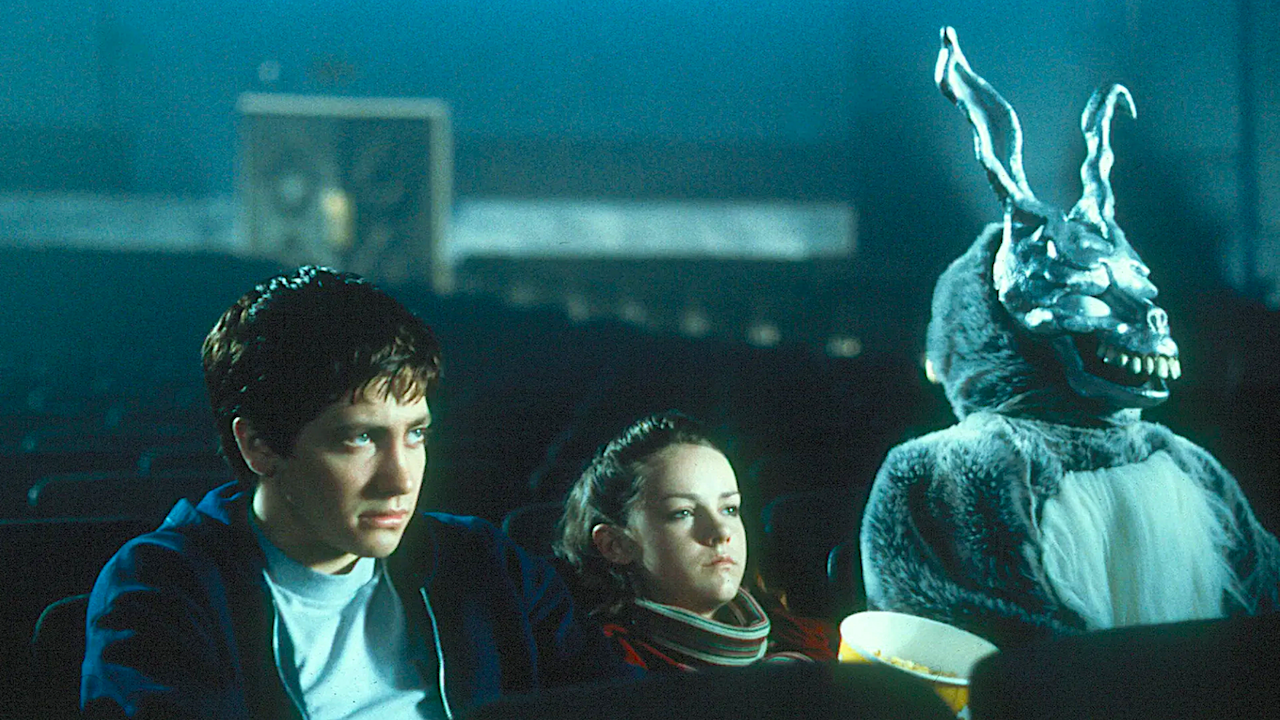
On the 25th anniversary of the release of "Donnie Darko," the unconventional psychological sci-fi thriller directed by Richard Kelly, it's clear that the film's unique blend of genres and themes has firmly cemented its place as a cult classic. The story follows Jake Gyllenhaal's troubled teen protagonist, who's guided by the mysterious Frank the Bunny to navigate an alternative universe with a ticking clock, all while grappling with his own mental health and the unsettling world around him.
The film, initially met with limited success when it was released in October 2001 amidst the aftermath of the 9/11 terrorist attacks, experienced a resurgence in popularity years later, becoming a word-of-mouth sensation due to its intriguing exploration of time loops, interdimensional portals, and mental illness. Despite mixed marketing efforts and modest box office returns, "Donnie Darko" has left a lasting impact on contemporary culture, provoking discussions on existentialism, fear, and the complexities of adolescence.
Gyllenhaal shared that the film was influenced by classic directors like Ron Howard and Steven Spielberg, but with a unique psychosis that captures the feeling of moving into adulthood. The film's haunting score, featuring '80s pop anthems and Gary Jules' melancholic cover of Tears for Fears' "Mad World," adds to its eerie, dreamlike atmosphere.
With its relevance to today's political, environmental, and technological challenges, "Donnie Darko" remains a potent meditation on the human condition, making it essential viewing for this milestone celebration.
Written by urgent.news from Space.com's reporting — not their text. Machine-written — may contain errors; check the original before relying on it.