ANCIENT ECOSYSTEMS: Grass is far more than the lawn you lounge on
We mow it flat, evict the wildflowers and congratulate ourselves. Craig Morris would like a word about our obsession with tidiness and the extraordinary world we keep cutting short.
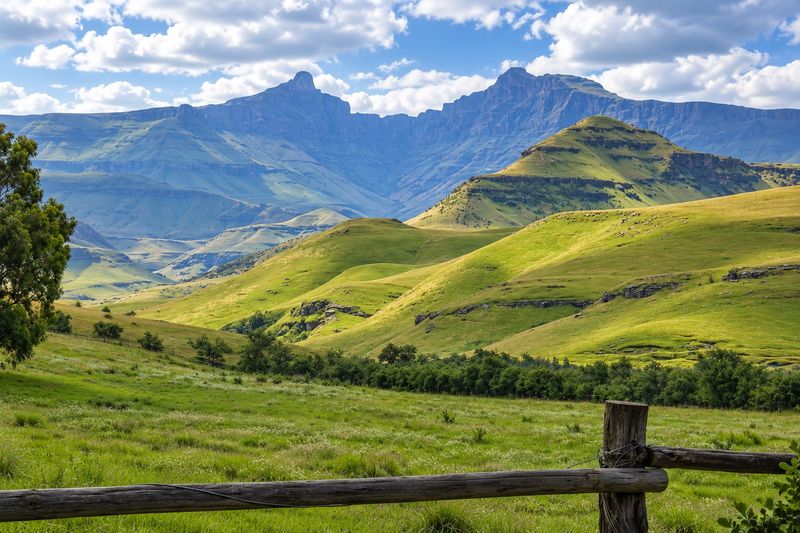
Grass, often taken for granted, is far more than just the lawn beneath our feet. Craig Morris, a grassland ecologist, passionately advocates for a deeper appreciation of the extraordinary world of grasslands. These ecosystems, comprising grasses and wildflowers, are far more diverse and vital than we typically recognize.
Morris's fascination with grasslands began during his school days in the Cathedral Peak area of the Drakensberg mountains. The sea of grass beneath the mountains captivated him, leading to a lifelong study of grassland science. His research in high mountain grasslands deepened his understanding, revealing the remarkable resilience of grass, which can regrow from its growing points near the soil surface after disturbance.
Unlike many other ecosystems, grasslands can recover from grazing animals, fires, and even mowing. This is due to the plant's modular units that can regrow from below the damage. Moreover, grasslands are home to a wide variety of wildflowers, known as forbs, which play a crucial role in providing food for pollinators and grazing animals, as well as medicinal plants.
Roots, bulbs, tubers, and rhizomes form an underground world that maintains reserves for plants during difficult times. Grasslands also harbor fungi that form mycorrhizal filaments, connecting to grasses and extending their root system. This underground economy contributes to the sequestration of carbon, making grasslands a significant carbon store.
However, the simplicity of grasslands can be misleading. Some grasslands have evolved into ancient communities that renew themselves through clonal growth or persistent underground organs. The age of a grass plant is a fascinating question that remains largely unanswered.
Fire is another essential element in the life of grasslands, helping to remove accumulated old growth and allowing new shoots to thrive. Grasses are often referred to as "farmers of fire" as they use disturbance, such as burning, to maintain their dominance. However, suppressing fire can have severe consequences, as long-running experiments demonstrate.
Grazing animals also play a role in maintaining grassland diversity. Morris's research shows that repeated trampling can damage wildflower leaves before plants replenish their underground reserves, highlighting the need for careful management of grazing activities.
In contrast to suburban lawns, grasslands are full of life and complexity. Each patch of grassland reveals different sets of wildflowers, emphasizing the importance of understanding patchiness in managing these ecosystems. The underground world of roots, bulbs, tubers, and rhizomes adds another layer of complexity to the grassland ecosystem.
As Morris argues, it is worth embracing grasslands as they are, recognizing their intrinsic value and the crucial role they play in our daily lives. Fire and grazing, when managed appropriately, can help maintain the delicate balance of these ecosystems. Ultimately, grasslands deserve our respect and appreciation, not just as the backdrop for our activities but as thriving, dynamic ecosystems in their own right.
Written by urgent.news from Daily Maverick's reporting — not their text. Machine-written — may contain errors; check the original before relying on it.