Chinese research vessels loiter near Pacific undersea cables more than any other nation, report finds
Chinese vessels are spending more time near undersea cables in the Pacific than nearly 50 other nations, according to a new report by the Center for Strategic and International Studies.
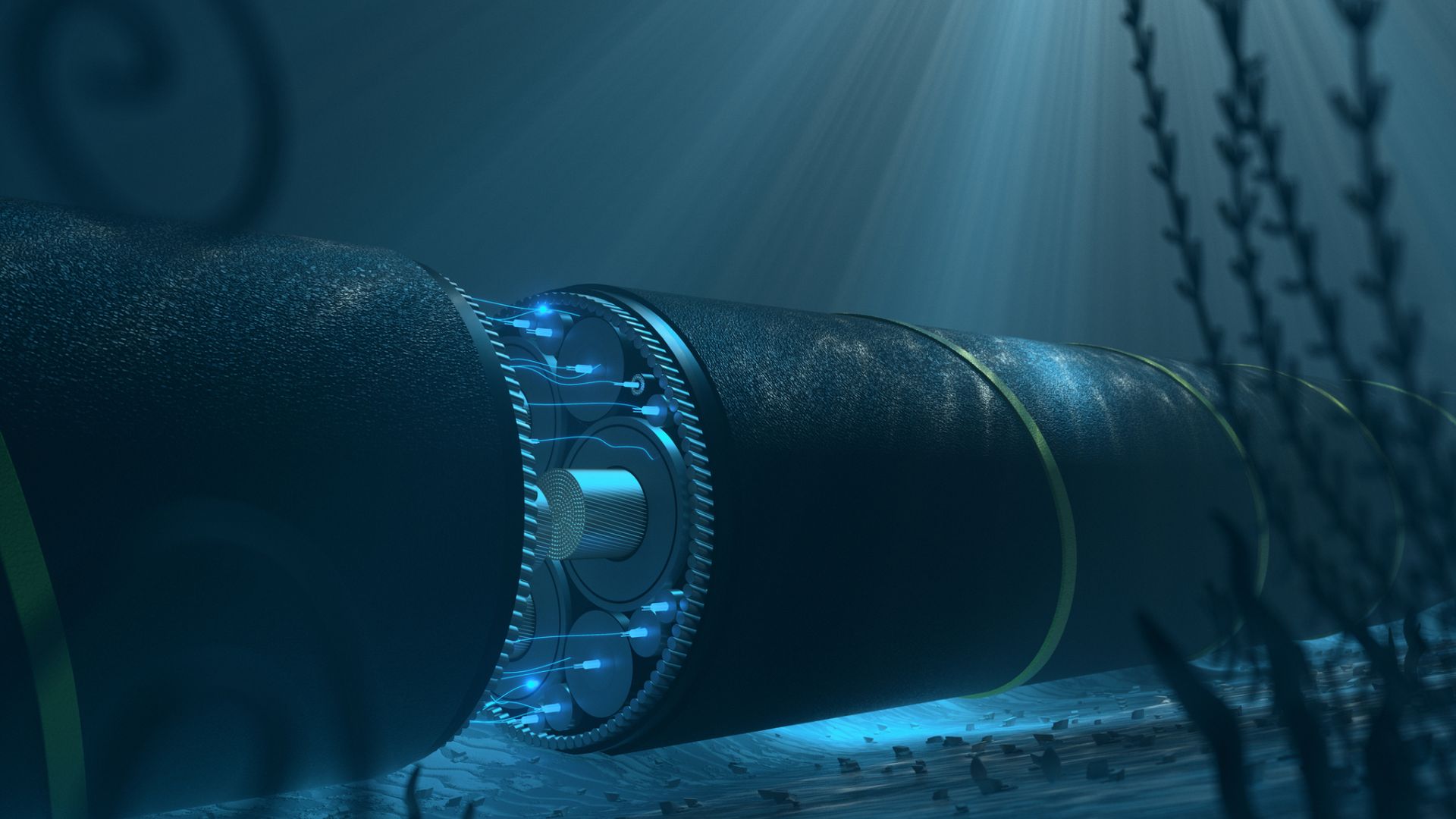
A recent report by the Center for Strategic and International Studies reveals that Chinese research vessels are spending significantly more time near undersea cables in the Pacific Ocean than any other country. The study examined the activities of 200 research vessels from 47 nations, including the U.S. and Russia, and found that Chinese vessels exhibited statistically significant higher levels of loitering near critical infrastructure.
This persistent and disproportionate activity suggests that China may be using its research fleet for data collection purposes that could aid in sabotage or submarine operations. Civilian research vessels often provide a cover for states seeking plausible deniability for their data-gathering activities. One instance cited in the report involved a ship from the Xiang Yang Hong research fleet, which spent time near three undersea cables connecting the U.S. with Australia, Indonesia, Singapore, Guam, and other countries between July and October 2024.
The ships' movements followed a "lawnmower" pattern, indicative of surveying activities to create precise seafloor maps. While these vessels are not part of the PRC's navy, the data they collect could potentially be utilized in future conflicts. These "gray zone research activities" persist amid China's territorial disputes in the South China Sea, as well as its claims over Taiwan.
The trend of authoritarian states seeking control over undersea infrastructure is also highlighted, with a recent report in The Telegraph documenting 500 incidents of Russian monitoring near undersea cables over the past five years. Meanwhile, Iran has threatened to attack undersea cables in the Strait of Hormuz if the United States escalates further in the region.
Written by urgent.news from Tom's Hardware's reporting — not their text. Machine-written — may contain errors; check the original before relying on it.