Why more Japanese women are choosing ‘silver divorce’ after decades of marriage
Ayumi lives alone in a spacious suburban house originally bought to raise a family, her two cats now her only full-time companions. Her two daughters have grown up and left home, and her husband of more than two decades moved out nearly a year ago as they finalise a divorce. For the 62-year-old Kawasaki resident, who spoke on condition that her surname be withheld, this was not how she envisioned…
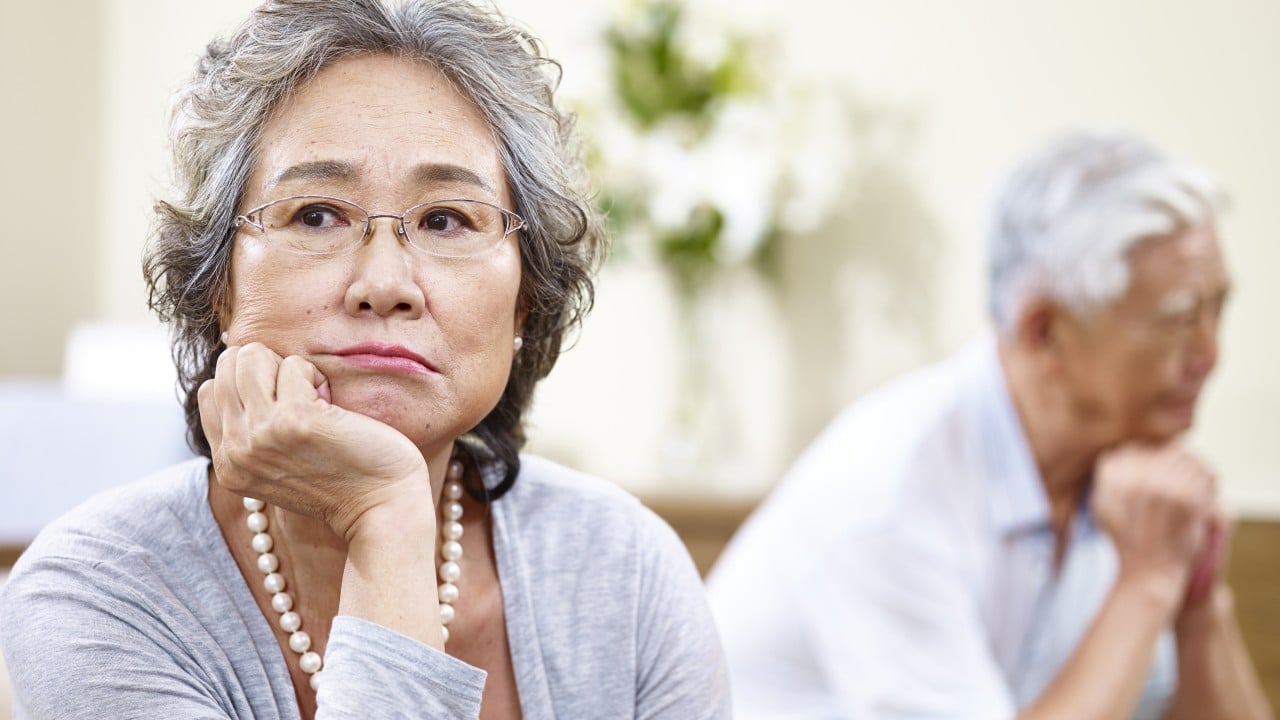
In Japan, an increasing number of women in their 60s are opting for a "silver divorce" – a term used to describe late-life separations among couples married for over two decades. Ayumi, a 62-year-old resident of Kawasaki, is one such woman. After more than two decades of marriage, she moved out nearly a year ago, leaving her daughters and a house she originally bought for family life.
Ayumi's divorce came after years of strained communication and growing emotional distance. Financial stress during her daughters' university years and the loss of both parents contributed to the breakdown of their marriage.
While overall divorce rates in Japan have been declining, silver divorces have seen a steady increase. According to a September report by the Ministry of Health, Labour, and Welfare, such late-life break-ups reached a record 24.2% in 2025, a 0.4 percentage point rise from 2024. The total number of divorces in 2025 fell to 179,073, down from 185,904 in 2024.
Several factors have prompted older women to question their long-term marriages. The "empty nest" syndrome often reveals deep emotional gaps that have accumulated over decades of raising children. Additionally, women's growing participation in the workforce and the financial independence it provides have left many women with fewer reasons to stay in unhappy marriages.
A significant factor is Japan's 2007 pension reform, which granted divorced spouses the right to claim up to 50% of their ex-spouse's Employees' Pension Insurance contributions, offering a substantial financial safety net for women earning less than ¥1.3 million (US$8,217) annually.
Japan's corporate culture, with its long-term solo work transfers, also plays a role. Married men are frequently transferred to distant locations for extended periods, leaving their wives behind. This arrangement can persist for decades, leading to a significant emotional disconnect when the husband retires and the couple's interests and lifestyles diverge.
The psychological burden of late-life separation can be considerable, with counselors noting the sudden availability of time and the resulting loneliness. Bill Cleary, a clinical director at a Tokyo-based counseling service, works with older couples who find themselves struggling to adjust after their children move out. Stigma surrounding divorce and mental health support often prevents couples from seeking help early enough, leading some to believe that separation is the only viable solution.
For Ayumi, who maintains a degree of independence through part-time work and regular contact with her daughters, the decision to divorce represents a pragmatic choice and a reaffirmation of her self-reliance.
Written by urgent.news from South China Morning Post's reporting — not their text. Machine-written — may contain errors; check the original before relying on it.