Fandom vs flag: why young Chinese embrace Japanese pop culture but reject war-era symbols
Young Chinese people enjoy Japanese pop culture such as anime and music, but many draw a firm line at symbols of Japanese militarism. That line was tested recently at Moscow State University, where Chinese students confronted a classmate wearing Japan’s rising sun flag in class and called for his repatriation, state-run newspaper Global Times reported on Sunday. Many countries, including China,…
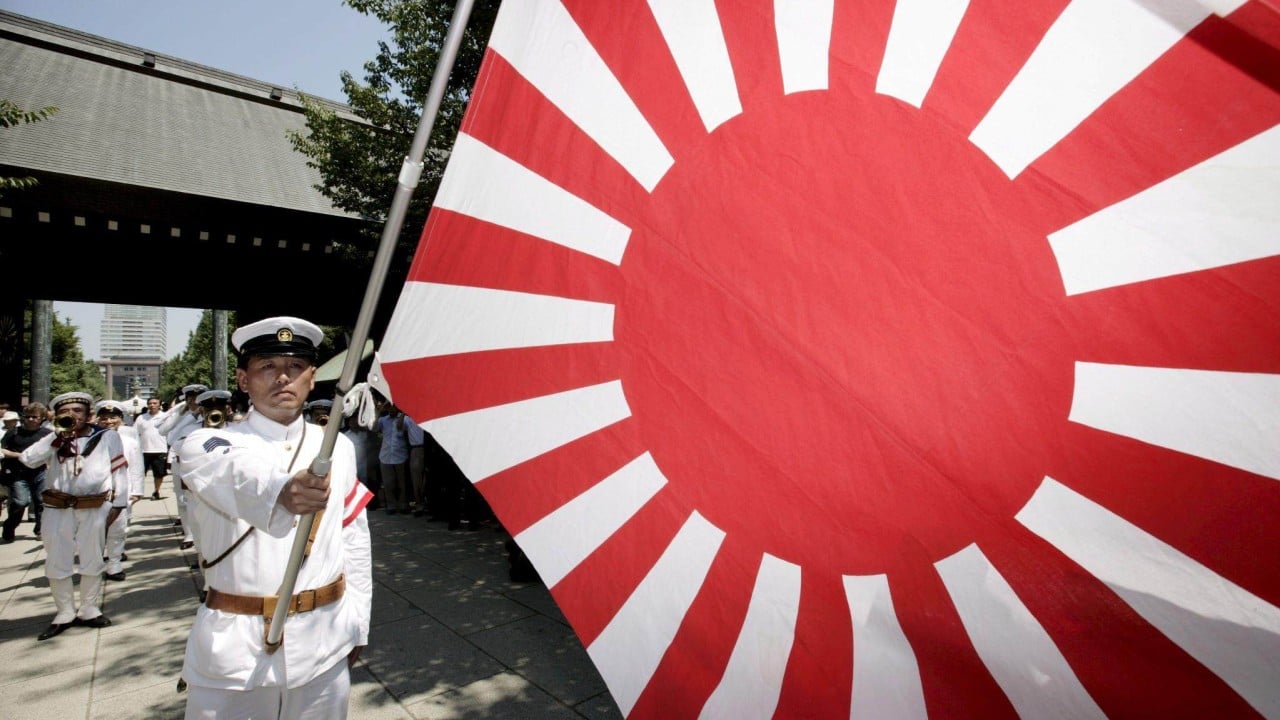
Chinese youth enjoy Japanese pop culture, including anime and music, but they draw the line at Japanese symbols of militarism. This stance was recently tested at Moscow State University when a Chinese student confronted a classmate wearing Japan's rising sun flag, leading to an online backlash. The flag is viewed as a symbol of Japanese aggression in China.
Many young Chinese, such as Lucy Huang, a 24-year-old anime fan, acknowledge the differences between Japan in reality and its idealized depiction in anime. Huang stated that it is "unforgivable" for a Chinese person to wear the rising sun flag.
Another Chinese student, Lillian Liu, also expressed her disapproval of a collaboration between WEGO, a Japanese fashion brand, and the anime series My Hero Academia. Liu boycotted the collaboration as it featured a character linked to Japan's Unit 731, which conducted human experiments during World War II. Liu, who began watching anime in kindergarten, spends up to 20,000 yuan (US$2,995) a year on Japanese pop culture merchandise.
While many Chinese fans appreciate Japanese anime and manga, they cannot support countries that violate their country's political stance. However, the spread of anime has helped young people avoid viewing all Japanese people as bad, according to Yuki, another anime fan. Yuki stopped following the series after the 2020 controversy and noted that the popularity of Japanese anime fluctuates with China-Japan relations and political tensions.
Written by urgent.news from South China Morning Post's reporting — not their text. Machine-written — may contain errors; check the original before relying on it.