West Asia crisis: Government ready with energy, fertiliser stocks
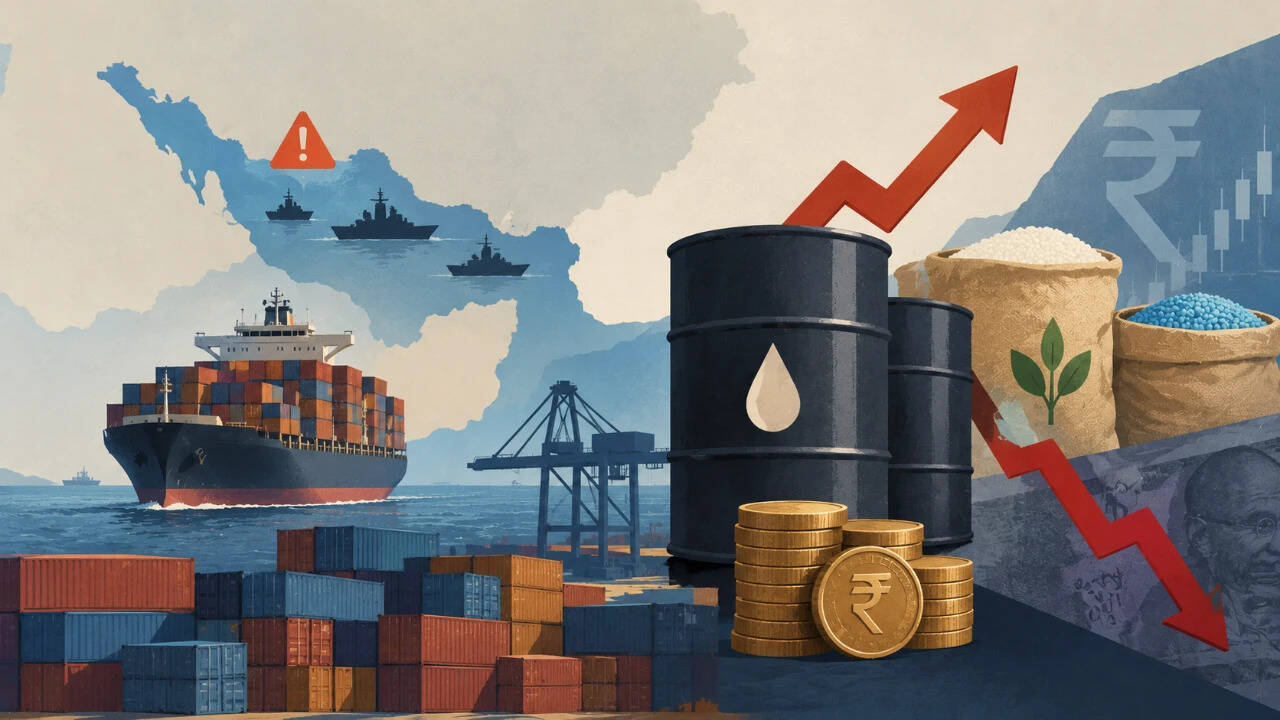
As tensions rise in West Asia, the government appears better equipped with energy and fertiliser stocks, but the situation faces several challenges. Higher oil prices will negatively impact the currency and fiscal deficit, as well as foreign portfolio investment, which is already under strain. Freight rates, already elevated at nearly ten times the pre-war level on certain routes, could further surge due to rising insurance premiums and difficulties in finding vessels and crew for the Strait of Hormuz, impacting exports and supply chains.
Container rates have soared from $800 to $8,000 to $10,000 for containers heading to West Asian ports. The East-West container freight market remains uncertain due to security risks and attacks on ships, with only two container ships sailing into the Gulf this week, down from five the previous week. The conflict's implications on global energy supplies prompt businesses to avoid uncertainty altogether.
Oil prices are the primary concern, with Indian refiners averaging $120 a barrel in October, the highest monthly average in 12 years. Petrol averages $140 a barrel and diesel exceeds $154, putting pressure on state-run retailers, who are already incurring losses as pump prices are linked to import prices. While the government has shielded fuel and fertiliser retailers through duty cuts and permission to raise prices, there is limited fiscal headroom for additional concessions.
Fertiliser companies had stocked up during a falling price window, and the fertiliser ministry had surplus cash due to savings. The government has some room for fiscal action due to higher-than-budgeted disinvestment receipts, dividends from state-run financial institutions, and the RBI, with tax collections holding up, keeping the fiscal deficit within the 4.3% of GDP target.
However, a spike in the import bill due to higher commodity prices will affect the trade deficit and current account deficit, and a weaker rupee will deter foreign funds from investing in Indian stocks.
Written by urgent.news from Times of India's reporting — not their text. Machine-written — may contain errors; check the original before relying on it.