The dark side of Vaca Muerta: how fracking is polluting Argentina
Shale oil and gas has turned the country into an energy powerhouse, but communities living near the field are counting the cost La entrada The dark side of Vaca Muerta: how fracking is polluting Argentina se publicó primero en Buenos Aires Herald .
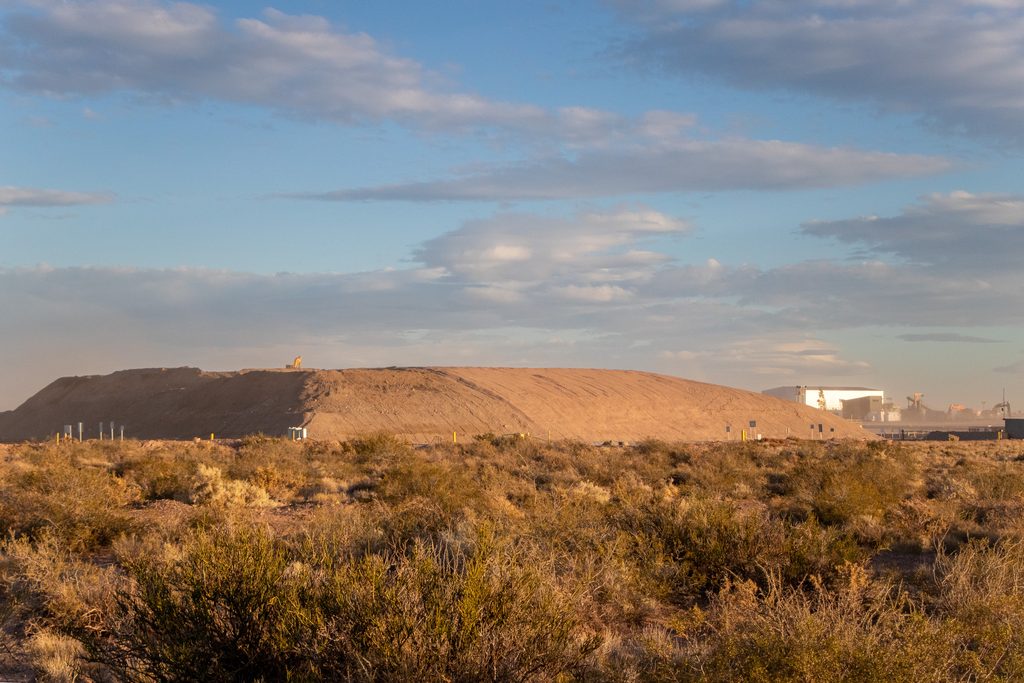
Vaca Muerta, Argentina's largest shale oil and gas deposit, has brought significant economic gains to the country. However, the environmental costs of fracking are becoming apparent. Over 97% of the province's oil and 90% of its gas are extracted through fracking, a process that injects water, sand, and chemicals at high pressure to fracture the rock and release hydrocarbons.
Residents in Neuquén, a region near Vaca Muerta, have noted the environmental impact of this industry. The waste generated by fracking is not being properly treated, leading to environmental contamination and potential health risks. Local regulations require waste to be processed, but mountains of sludge serve as evidence that this is not happening. Leticia Esteves, Neuquén's minister for tourism, environment, and natural resources, acknowledged that these sites are "sacrifice zones" that cannot be used for anything else.
The quality of life in Neuquén depends on the direction of the wind, as the smell of the waste can be quite strong. Julio Polo, a security guard at an urban development surrounding the Neuquén West Industrial Park, described the smell as sulfur-like, with many more chemicals in the air and soil. Fracking produces two types of waste: contaminated water and solid waste.
Contaminated water returns to the surface after fracturing and is injected into underground disposal wells, while solid waste is a damp, earth-colored paste composed of drilled rock, processed waste, and sand.
Despite provincial regulations requiring treatment, treatment capacity has fallen short of the volumes being produced, leading to a buildup of waste. International investors, including Chinese firms, have significant stakes in the fracking boom. As Argentina pursues LNG exports, China is a potential buyer, which could lead to increased fracking activity and waste production.
Written by urgent.news from Buenos Aires Herald's reporting — not their text. Machine-written — may contain errors; check the original before relying on it.