Oil Spills Wreak Havoc on the Bottom of the Ocean, Even a Decade Later
While oil is known to float, new research finds that over time it can permeate even extremely deep marine habitats, with animal populations declining by as much as 80 percent.
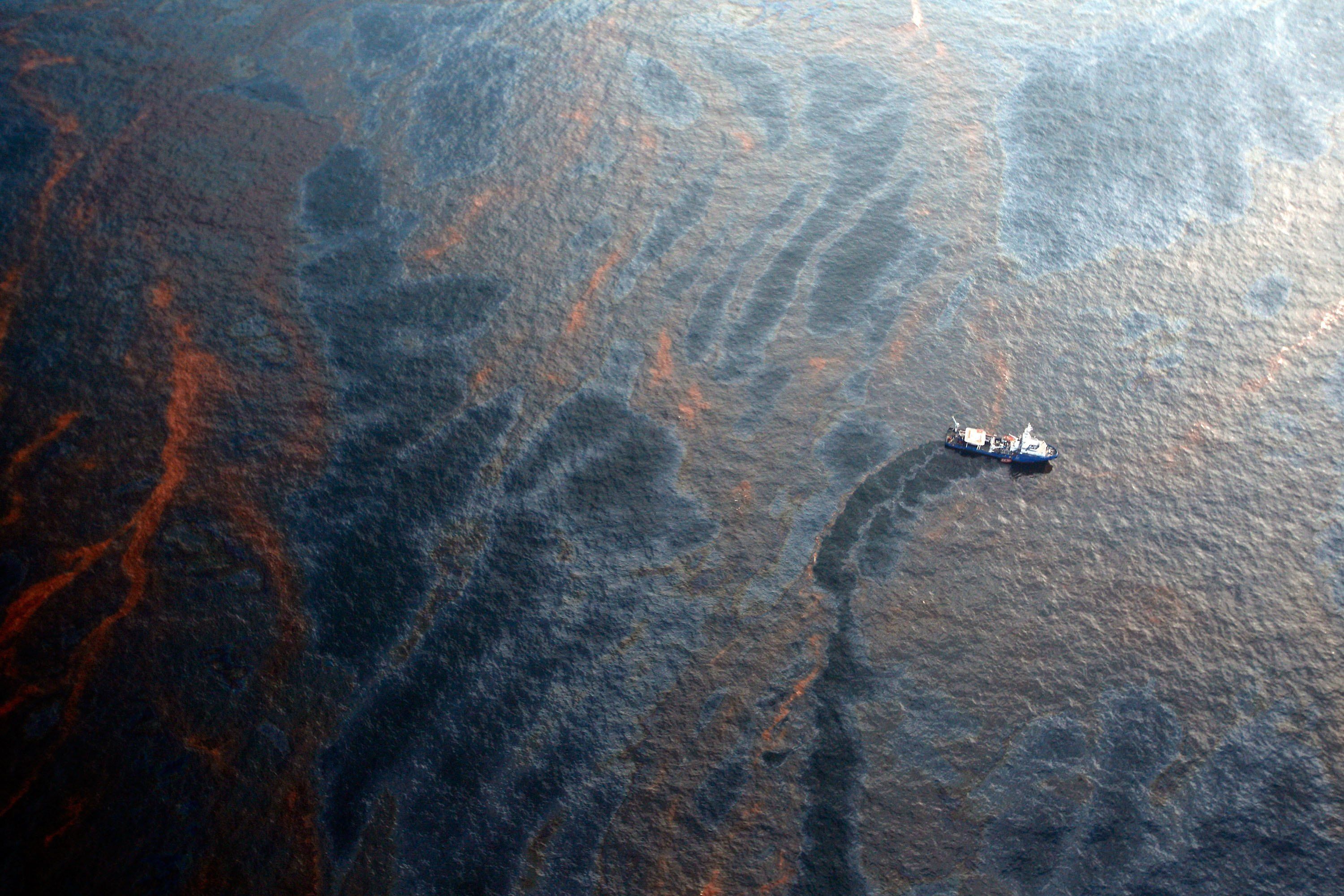
A groundbreaking study published on Monday in the prestigious Proceedings of the National Academy of Sciences reveals the devastating impact of the 2010 Deepwater Horizon oil spill on the deep-sea marine ecosystem—a decline so severe it may take decades to recover. The research, led by marine scientist Tracey Sutton from Nova Southeastern University, found that marine populations—including octopus, krill, squid, and shrimp—dropped by an alarming 60 to 85 percent in the three and a half years following the spill, with little evidence of recovery.
Krill and lanternfish, key foundational species in the Gulf’s food web, were among the hardest hit. The authors assert this represents the "fastest and most severe faunal decline reported for Earth’s largest ecosystem type" ever documented. This ecosystem-wide collapse may also reduce the ocean's capacity to absorb carbon dioxide, further exacerbating climate change.
Despite extensive assessments and restoration efforts by federal, state, and tribal trustees, coupled with BP's $20.8 billion settlement, the authors warn that industrial deep-sea mining could inflict irreversible damage before any baseline conditions can be established.
Written by urgent.news from Wired's reporting — not their text. Machine-written — may contain errors; check the original before relying on it.
This story
This is one outlet's version. Read the fullest account.