How purported tales of consuming vampire blood and organs spread in the 18th century
In this excerpt from "Killing the Dead," author John Blair looks at how the printed press ramped up tales of vampirism, leading to stories of people eating a supposed vampire's organs and drinking their blood in a bid to avoid the same fate.
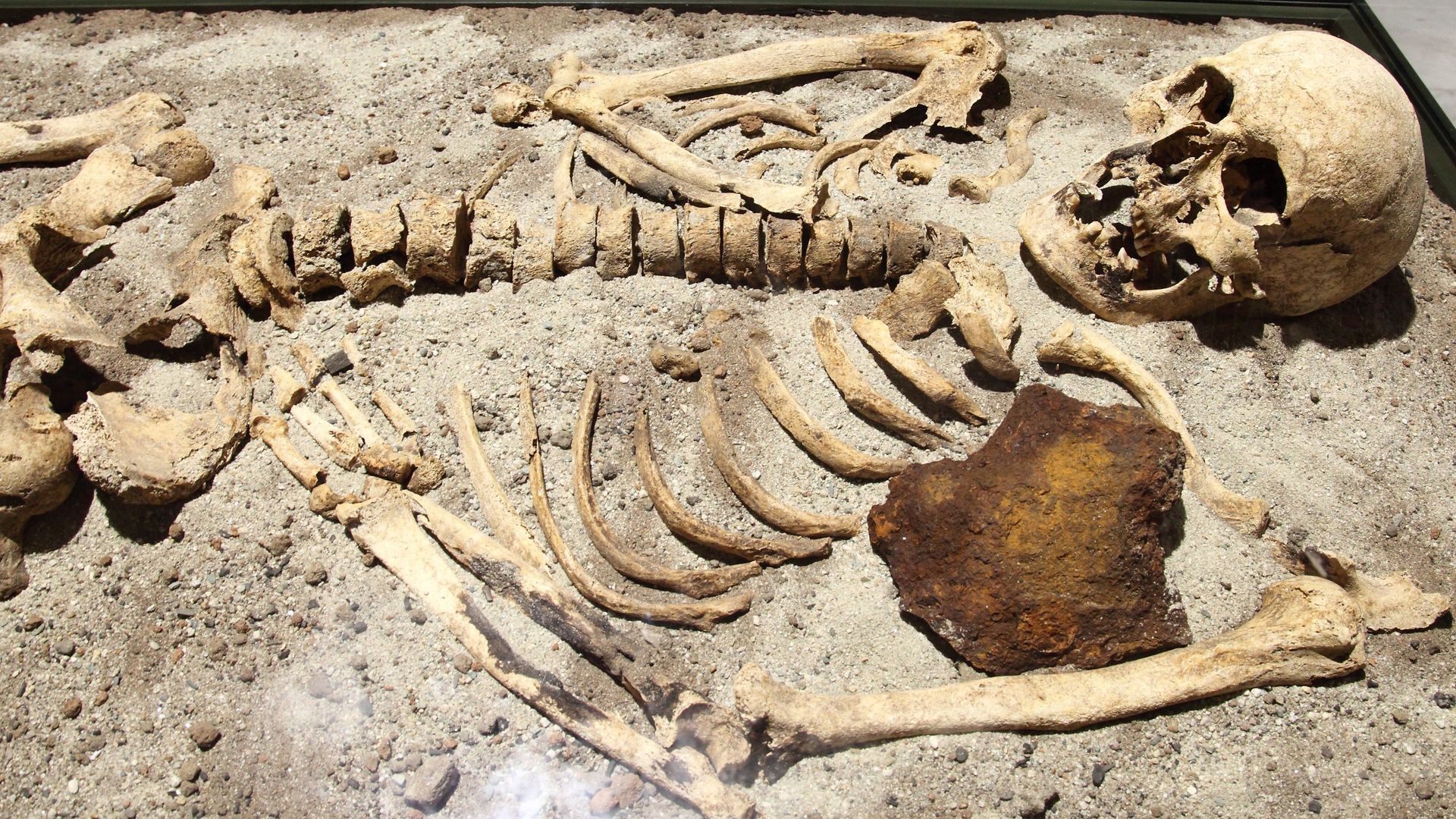
In the 17th and 18th centuries, the fear of vampires gripped the minds of people across Europe. They believed the deceased could rise from their graves and wreak havoc, spreading disease and terror. To prevent this, villagers resorted to drastic measures such as decapitating corpses or placing objects like sickles across their necks. Some graves even contained iron padlocks around victims' feet to prevent reanimation.
The rise of the printed press played a pivotal role in amplifying these vampire legends. As early references began appearing in the late 1500s, they gradually increased in number, peaking in the 1730s. The publication of Dom Augustin Calmet's comprehensive survey on supernatural beings in 1746, which was later translated into English, became the most influential academic work on vampires.
This systematic approach, based on evidence rather than speculation, resonated with readers and sparked a wave of interest in the subject.
However, the story of vampirism wasn't limited to theoretical discussions. Some pre-modern Europeans believed in consuming blood or organs from vampire corpses as a means to ward off the undead's malevolence. This bizarre practice, though similar to earlier notions of watching smoke rise from burning vampire organs, was far more explicit and dangerous.
The roots of this belief can be traced back to a 1687 ethnographic account by Capuchin missionary Giovanni Antonio Cavazzi, who documented similar practices among the Mbundu people in Angola. The accounts of a similar nature continued to proliferate, reaching an even wider audience through Pierre des Noyers' accounts in the 1690s.
Written by urgent.news from Live Science's reporting — not their text. Machine-written — may contain errors; check the original before relying on it.