Woman, 65, becomes second patient to die of Ebola in Kenya
She was a close family member of the first victim, a man who had travelled from the Democratic Republic of Congo.

Kenya has reported its second Ebola fatality amid its inaugural outbreak. The victim was a 65-year-old woman, a close family member of the first victim—a man who had journeyed from the Democratic Republic of Congo—and was in quarantine when symptoms emerged on October 13, according to the health ministry. Seven other Ebola patients were under treatment at two isolation centers.
All cases were confined to a single cluster with no indications of community transmission. Over 4,000 fatalities have occurred across Africa since the outbreak's confirmation in the Democratic Republic of Congo in May, positioning it as the second deadliest outbreak. The first death occurred on October 5, involving a man who became ill in September, received treatment in multiple hospitals in the DRC, and subsequently died in Nairobi, Kenya.
Current treatment involves three additional relatives of the first victim, three healthcare workers, and a hospital cleaner. The United States has advised its citizens to refrain from traveling to Kenya, while neighboring nations like Uganda, Ethiopia, and Somalia remain vigilant. Ebola is a rare, lethal disease caused by a virus, progressing to symptoms like vomiting, diarrhea, and organ failure, with potential internal and external bleeding.
Transmission occurs through contact with infected bodily fluids like blood or vomit. The Bundibugyo species of Ebola, relatively uncommon, lacks an approved vaccine or treatment, though trials are underway. With over 9,500 cases in the DRC, Kenya faces persistent risks of new cases crossing borders, as per the International Rescue Committee, which collaborates with both governments to curb the spread.
Kenya has implemented heightened screening for travelers arriving from the DRC and nine other high-risk countries: Uganda, Tanzania, Rwanda, Burundi, Angola, Zambia, Ethiopia, South Sudan, and the Central African Republic. Incoming travelers must fill out a digital surveillance form before boarding and present a QR code to port health officials upon arrival.
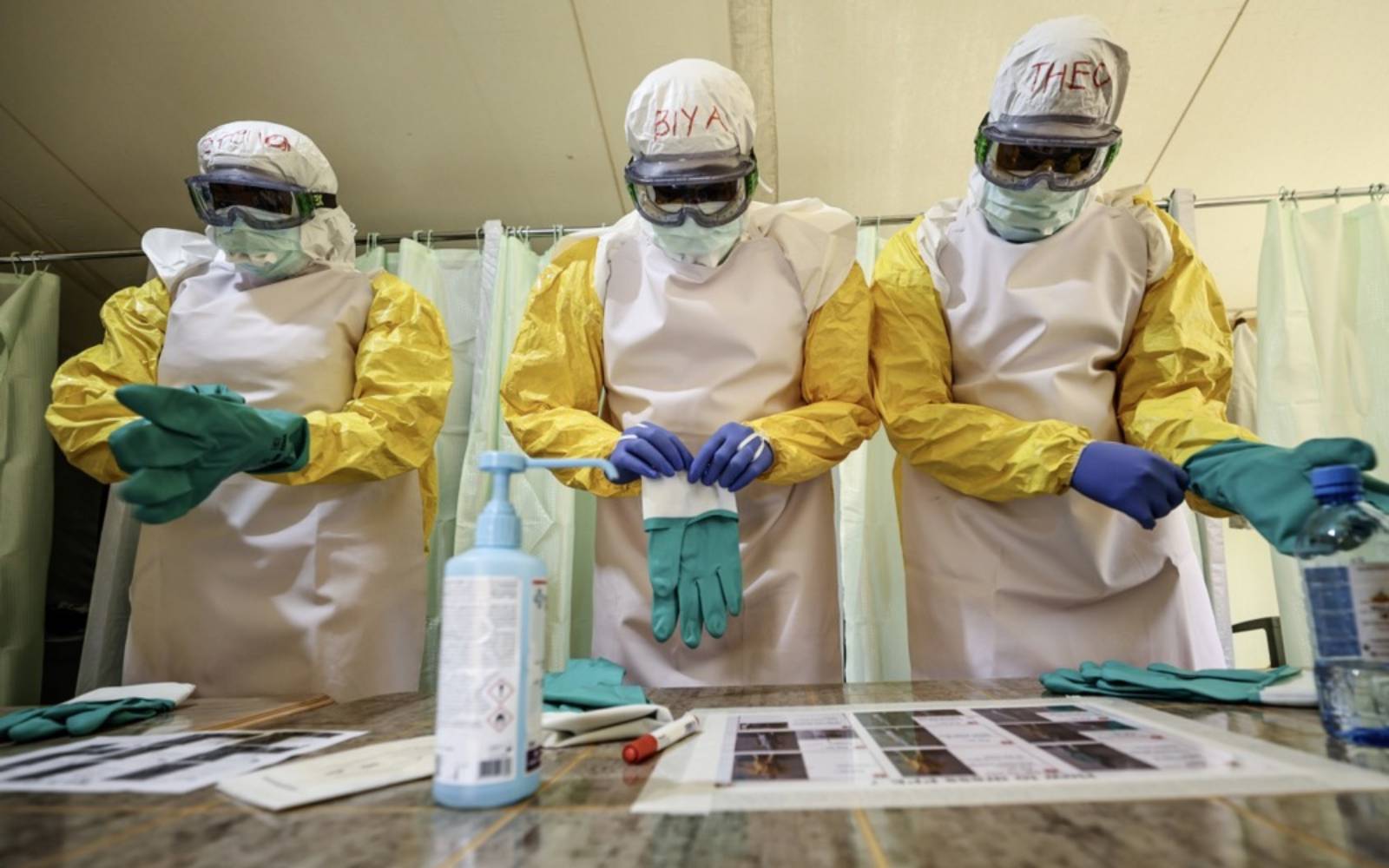
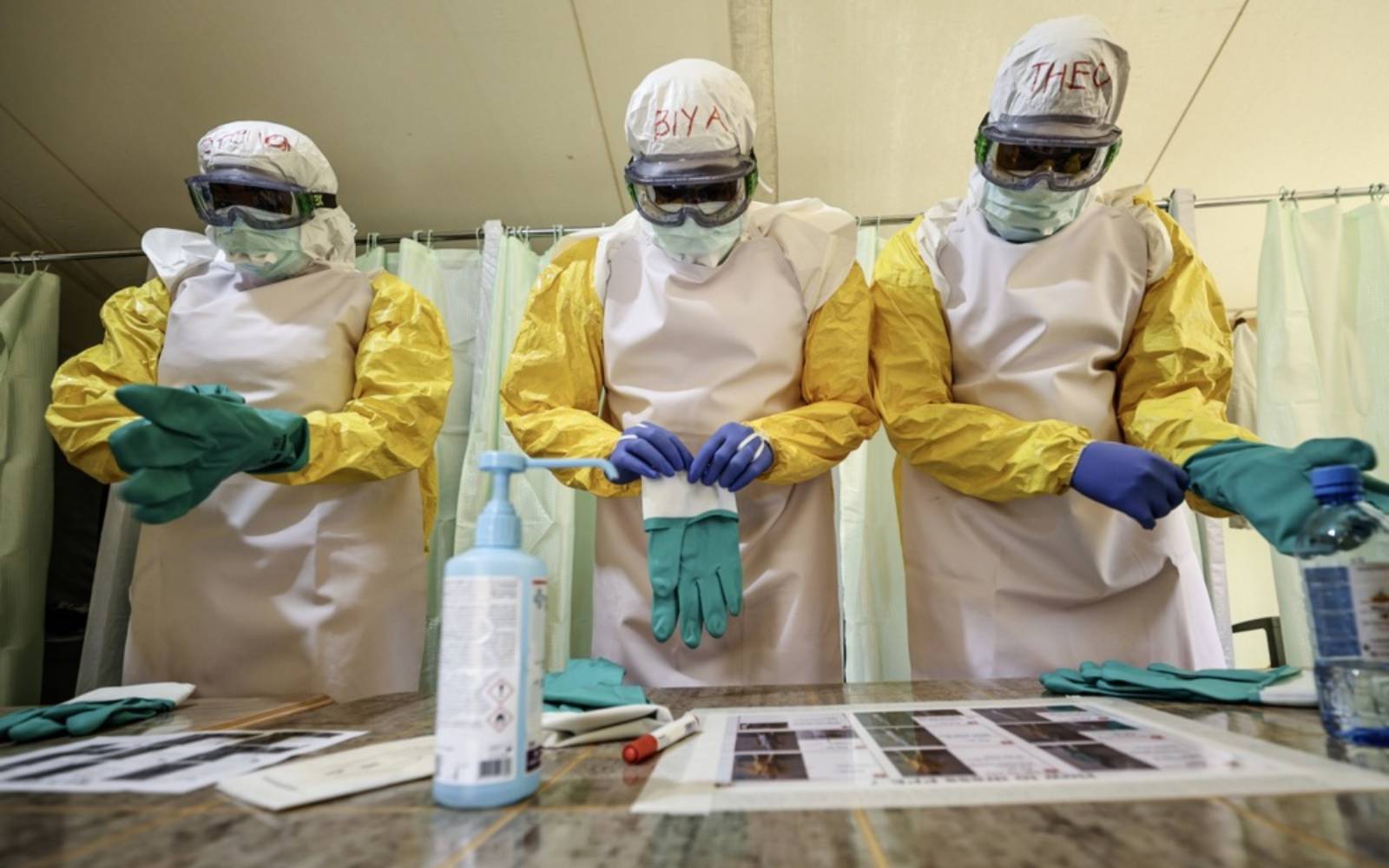
Kenya has also bolstered public health screening of aircraft from these countries and heightened awareness campaigns about Ebola, emphasizing prompt reporting of suspected cases and seeking care at hospitals. Hygiene and safety measures, such as handwashing and avoiding close contact with the sick, have also been prioritized. Meanwhile, Nigeria's health minister revealed that its sole confirmed Ebola case appears genetically linked to a strain identified earlier in Kenya.
Professor Ali Pate stated there was no evidence the Kenyan patient had traveled to Nigeria, but additional testing is underway. He stressed that Nigeria has only recorded one confirmed case of the virus, with some results negative and others pending. Health officials are investigating potential overlap between Nigeria's first case and Kenya's first patient, both potentially having traversed Uganda's Entebbe International Airport earlier in the month.
Written by urgent.news from MyJoyOnline Ghana's reporting — not their text. Machine-written — may contain errors; check the original before relying on it.
This story
This is one outlet's version. Read the fullest account.
- Woman, 65, becomes second patient to die of Ebola in Kenya myjoyonline.com
- Africa CDC probes possible link between Ebola cases in Nigeria, Kenya premiumtimesng.com
- Kenya announces 2nd Ebola death, close relative of first patient thehindu.com
- Nigeria and Kenya Ebola patients may have crossed paths at Uganda airport, officials say bbc.co.uk