Ebola Between Public Health Emergency and Constitutional Democracy Sampson Parker
As Nigeria approaches the 2027 general elections, concerns surrounding Ebola raise an important national question: Can Nigeria effectively manage a public health emergency without compromising its constitutional democracy? The potential
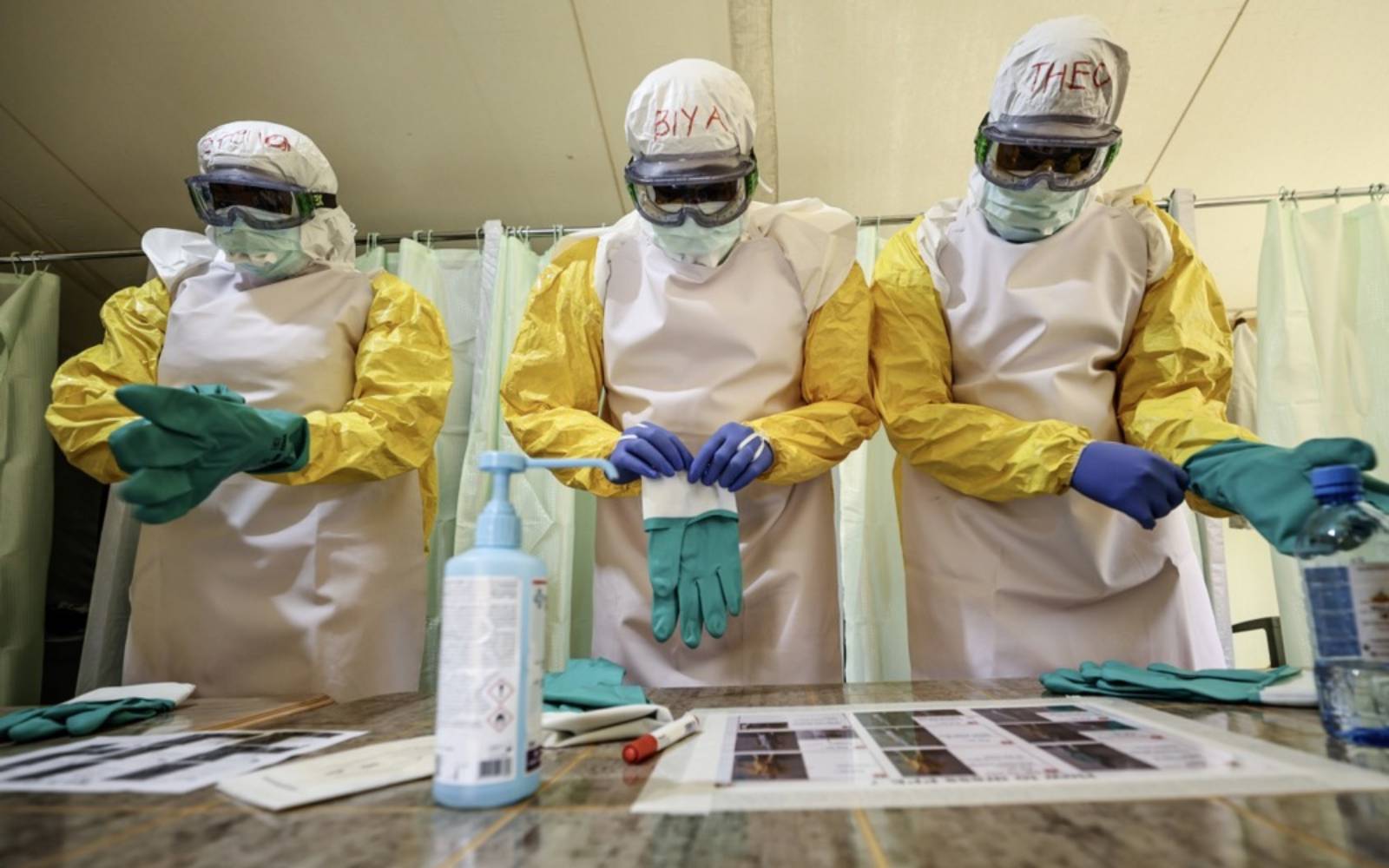
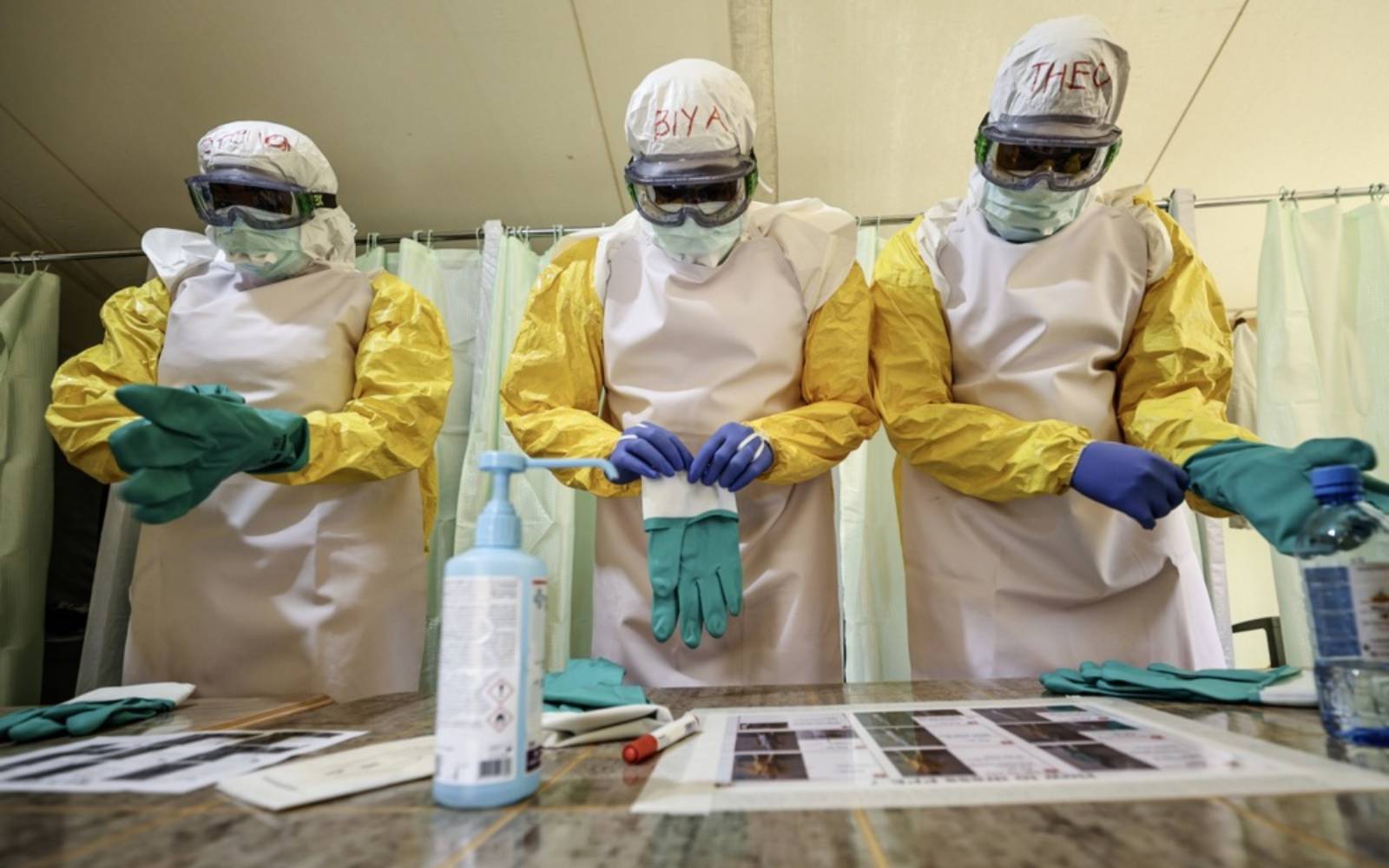
As Nigeria approaches its 2027 general elections, the presence of an Ebola outbreak raises the critical question of how the nation can effectively manage a public health crisis without undermining its democratic institutions. Ebola is a highly infectious disease that demands swift detection, thorough surveillance, contact tracing, isolation, and proper clinical care.
However, the mere existence of an outbreak does not warrant nationwide restrictions, political campaign halts, or election postponements. Public health emergencies must be addressed through scientific methods rather than political convenience.
During election periods, intense political competition is inevitable. Restrictions on gatherings, movement, and political campaigns can engender suspicion, especially when they appear arbitrary or lack solid scientific backing. Therefore, any public health interventions must be grounded in evidence, transparent, proportional, and applied uniformly across all political parties and citizens. Similarly, political figures should refrain from sabotaging legitimate disease control measures for electoral gain.
Nigeria's successful Ebola containment in 2014 highlighted the importance of competent leadership, rapid contact tracing, coordinated institutions, and public trust. These lessons remain pertinent today. The most contentious issue is whether an epidemic could jeopardize the election timetable. While the Constitution and Electoral Act outline legal provisions for elections and the conditions for postponement, a public health crisis cannot automatically trigger election suspensions or prolong political tenures.
Any postponement must comply with legal requirements and be supported by strong, credible evidence. An epidemic should not be used as a pretext for constitutional ambiguity or unnecessary disruption of democratic governance. At the same time, elections cannot be conducted thoughtlessly when genuine health risks necessitate protective measures. The government's duty is to safeguard both human lives and democratic structures.
The Independent National Electoral Commission (INEC) and the Nigeria Centre for Disease Control and Prevention (NCDC) should collaborate on devising contingency plans for the election season. These plans should encompass safeguards for election personnel, monitoring around key political events, scientifically justified safety measures, and safeguards against disenfranchising citizens in affected areas.
These arrangements must be based on verifiable epidemiological data, not conjecture or political pressure. Preparedness should never be mistaken for an intent to delay elections. Public health preparedness must not be conflated with excessive campaigns or administrative excesses. The true sign of readiness is not the number of launched campaigns, but the reduction in infections and saved lives.
This responsibility is a collective one, involving the federal government, state governments, INEC, political parties, professional bodies, and civil society. They must jointly ensure that public health is not compromised, and constitutional order is maintained. A clear-cut framework should differentiate appropriate disease control measures from unsubstantiated restrictions on political involvement. Emergency powers must be accountable, proportionate, and aligned with the rule of law.
In conclusion, Nigeria must neither downplay the threat of Ebola nor overstate its impact. The nation must prevent fear, misinformation, and political suspicion from undermining vital public health actions. Equally, no health crisis should be exploited to compromise constitutional protections. Nigeria has previously demonstrated its capability to control Ebola through scientific rigor and effective institutional collaboration.
Now, it must prove its ability to protect public health while upholding democratic stability. Ebola should not be weaponized for political gain. Public health should not serve as a rationale for constitutional uncertainty. The 2027 elections should not be jeopardized by institutional shortcomings. Science should safeguard our lives.
The Constitution should defend our democracy. Neither should be sacrificed at the altar of political expediency.
Written by urgent.news from This Day's reporting — not their text. Machine-written — may contain errors; check the original before relying on it.