What happens inside the brain during a stroke?
The first few hours of a stroke determine how damaged the brain can become. Knowing the signs and seeking timely medical help is crucial
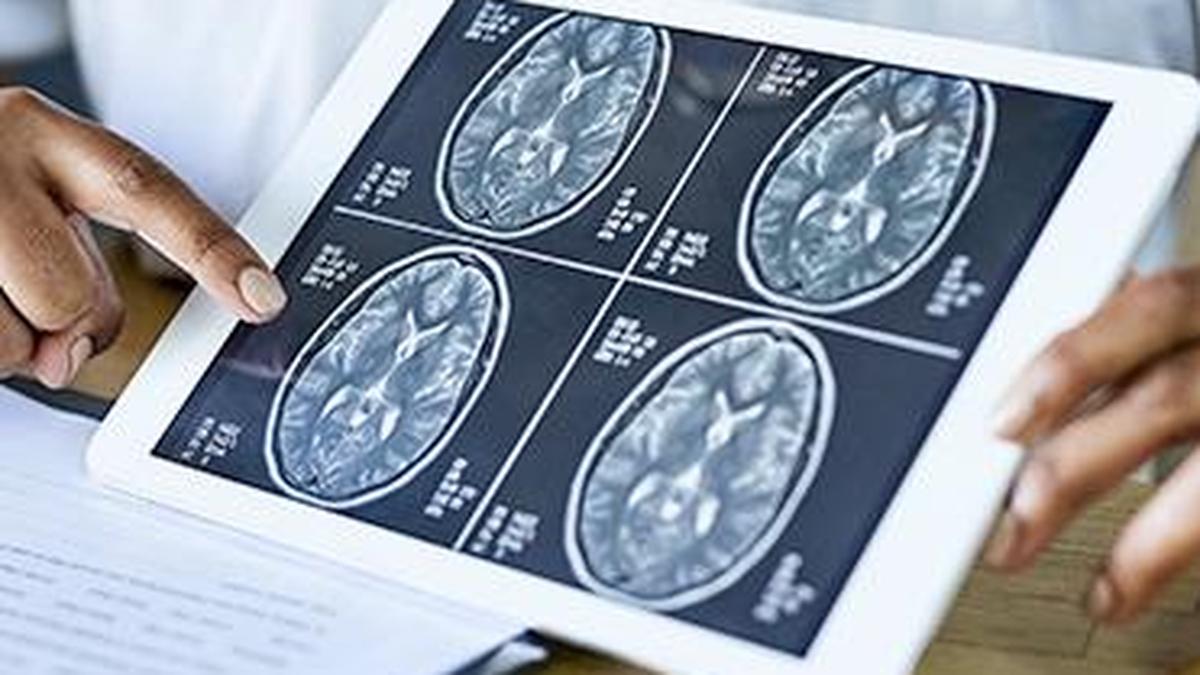
Stroke, a medical emergency, occurs when blood flow to the brain is disrupted, either by a blockage or a burst blood vessel. This deprives brain tissue of essential oxygen and glucose, leading to damage that can impair vital functions like speaking, movement, vision, memory, and coordination. The severity of the impact hinges on the affected area and extent of the injury.
Two primary categories of strokes exist: ischemic and haemorrhagic. Ischemic strokes involve the blockage of an artery by a blood clot, while haemorrhagic strokes stem from a ruptured blood vessel causing bleeding within the brain tissue. Regardless of the type, both forms result in brain tissue damage, potentially causing irreversible harm within minutes.
The first few hours post-stroke are crucial. Within three to five minutes of interrupted blood flow, brain cells begin to suffer irreversible damage at a rate of 1.9 million neurons, or 32 neurons per second. Timely medical intervention is paramount to mitigate this damage. While treatments vary, intravenous thrombolysis - the administration of drugs to dissolve clots - may be administered within four and a half hours of symptom onset for ischemic strokes.
In some cases, mechanical thrombectomy may also be an option up to 24 hours after the onset of symptoms.
In haemorrhagic strokes, management strategies differ, focusing on controlling blood pressure, addressing the effects of blood thinners, managing intracranial pressure, and possibly surgical intervention. However, not all patients are eligible for all treatments, as factors like the patient's medical status, imaging results, timing of symptoms, and potential risks of therapy come into play. Despite this, prompt stroke care remains most effective within four and a half hours post-stroke.
Written by urgent.news from The Hindu Health's reporting — not their text. Machine-written — may contain errors; check the original before relying on it.
This story
This is one outlet's version. Read the fullest account.
- What happens inside the brain during a stroke? thehindu.com