This nurse has cared for more than 100 dying patients – what they taught her about having a ‘happy death’
Mariam Jumaat once believed good nursing meant helping patients get better and did not want to work with dying patients. Now, the home palliative care nurse helps them spend their final days comfortably at home, surrounded by the people they love.
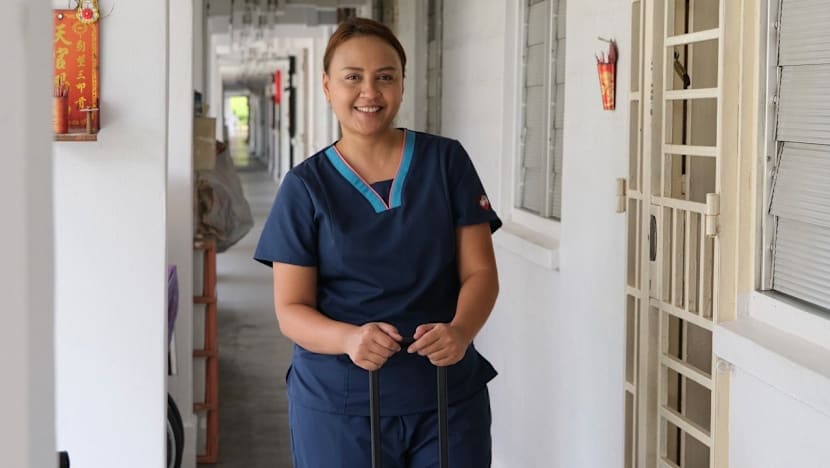
Mariam Jumaat, a 40-year-old home palliative care nurse, has witnessed the end of life for more than 100 patients with incurable conditions, including dementia, stroke, heart disease, and cancer. Her role involves visiting patients at home, relieving their symptoms, and being present during their final moments. Mariam recalls her first patient, a "whiskey uncle" with terminal cancer, who passed away surrounded by his family, sharing a drink of whiskey and without the need for morphine.
This experience made a lasting impression on her, teaching her that death can be peaceful and meaningful.
In 2022, Mariam initially declined a position as a home nurse for end-of-life patients because she did not want to work with dying patients. However, after witnessing a few patients who could not get better and being transferred to hospices, she changed her mind. She now supports patients with life-limiting illnesses to spend their final days at home with their loved ones, which she believes is the best place to pass on.
Mariam's daily routine involves visiting four to five homes, performing general checks, and monitoring vital signs. Common issues include constipation, which she manages with suppositories and laxatives. In the final moments, some families may cling to life-saving measures instead of focusing on symptom management or gathering family members, as seen in her experience with an elderly patient.
The most peaceful deaths, Mariam believes, are those in which the patient and family have made peace. She shared a memorable encounter with a "Peranakan Ah Ma," who had planned her funeral attire and final days, expressing her lack of fear about dying and her desire to be beautiful for her husband. Mariam's work highlights the importance of providing comfort, dignity, and love during the end-of-life process.
Written by urgent.news from Channel News Asia's reporting — not their text. Machine-written — may contain errors; check the original before relying on it.