Russia deploys 3D-printed cruise missiles with US electronics in Ukraine, can hit 500mph with a 745-mile range
The Filin missile, which was deployed between late September and early October of this year, reportedly used 3D-printed and commercial parts to save on cost.
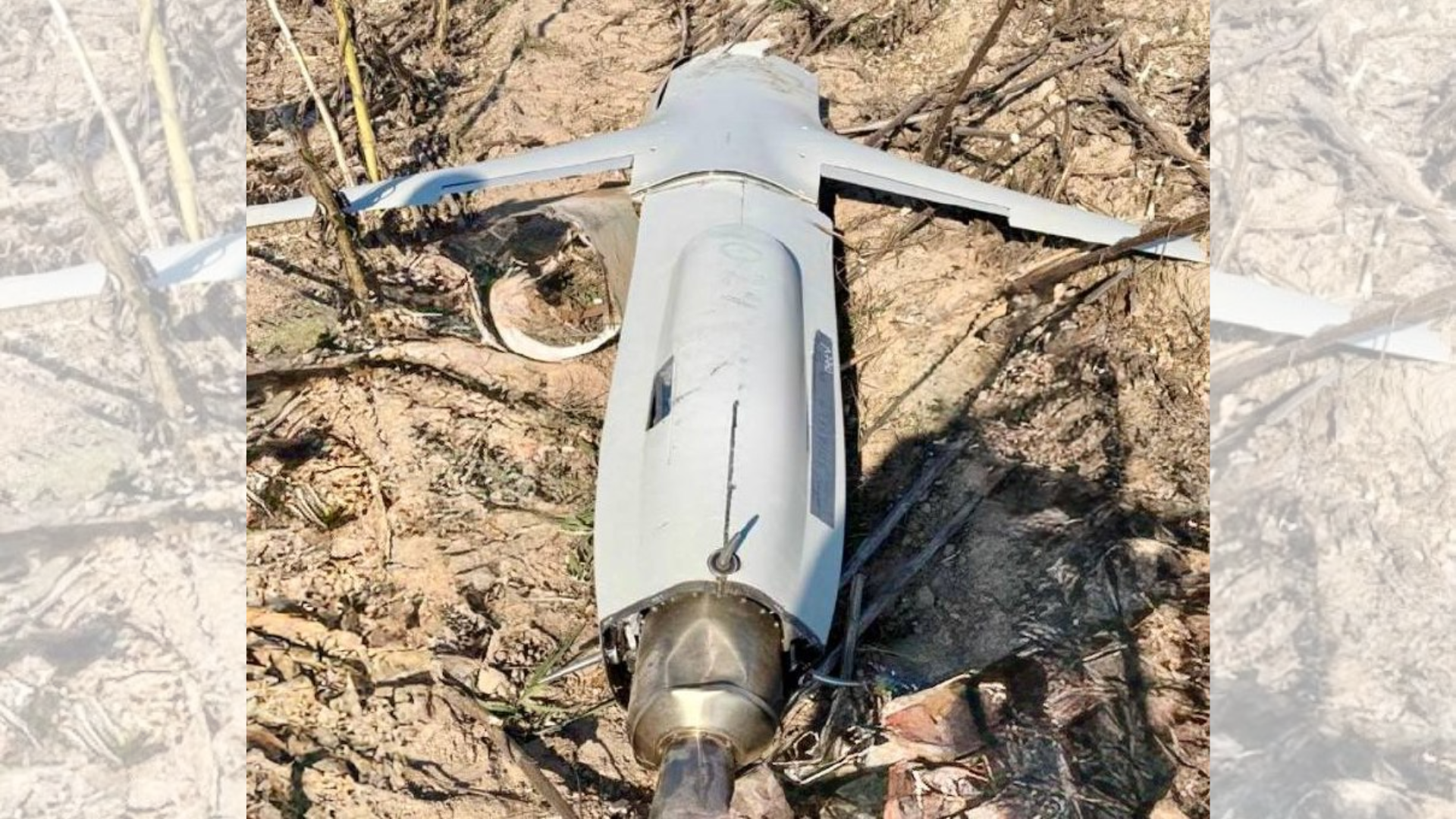
In Ukraine's military intelligence report, the GUR revealed details regarding a novel 3D-printed Russian cruise missile, code-named "Filin," that first entered service around September and October. The missile boasts impressive capabilities, rocketing at 500 miles per hour and covering over 700 miles. The GUR, Ukraine's military intelligence agency, warned that these missiles could be utilized in "missile spam" tactics, overwhelming Kyiv's air defenses due to their affordability.
Costing less than the traditional Kh-101 cruise missile, which exceeds $2 million per launch, the Filin could potentially be employed in large numbers by the Russian military. The ongoing war in Ukraine, extending beyond initial expectations, has resulted in a protracted conflict, intensifying the urgency for cost-effective warfare strategies.
While drones have been widely deployed in the conflict, their relative slowness and vulnerability to destruction pose significant challenges. The Geran-5, previously used, could reach a maximum speed of 270 mph and had a range of 745 miles.
However, the Filin surpasses these figures, boasting a top speed of 500 mph and an extended range. Its design employs a carbon and fiberglass fuselage, with several components 3D-printed. Russia achieved cost efficiency by utilizing commercially available parts from domestic and foreign entities, including Russian-made engines and Western/european electronic components.
The Ukrainian intelligence agency specified that 35 components originated from the U.S., 22 from China, and 13 from Japan, Switzerland, Taiwan, and the Netherlands.
While 3D-printing may not always be cheaper than conventional manufacturing techniques, it offers unique advantages for crafting items with complex geometries. This technology has even enabled a tech enthusiast to construct a DIY MANPADS for under $100. Despite potentially being pricier than a homemade 3D-printed missile, the Filin's affordability relative to traditional cruise missiles could allow Russia to proliferate their usage, posing a significant threat to Ukrainian defenses.
Written by urgent.news from Tom's Hardware's reporting — not their text. Machine-written — may contain errors; check the original before relying on it.