NVIDIA wanted me to upgrade my RTX 4070 Ti for Multi Frame Generation, but I found another way
3 years in and my GPU is still getting new features
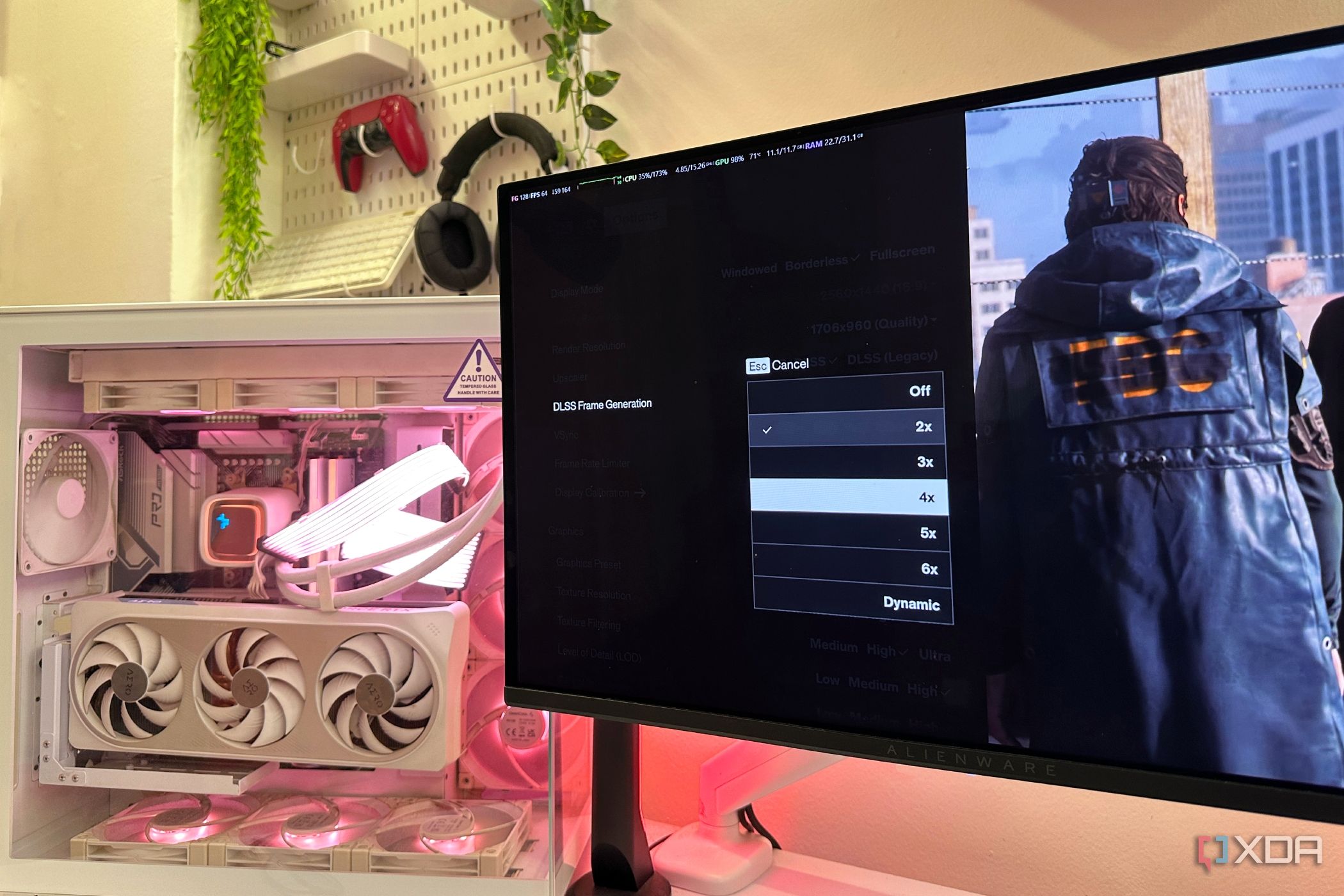
When I purchased my RTX 4070 Ti in 2023, I had no idea that I would be upgrading my GPU multiple times over the years without purchasing new hardware. Thanks to newer DLSS models, Nvidia's Smooth Motion, and my tinkering with DLSS 5, my GPU has continued to surprise me even as it aged. The RTX 4070 Ti's biggest selling point was 2x frame generation, which I particularly enjoyed.
However, when the RTX 50 series launched with Multi-Frame Generation (MFG) up to 6x, I was disappointed that my older card couldn't take advantage of it. Instead of waiting for Nvidia to add support to older RTX 40 series GPUs, I decided to explore other options. Three years after purchase, my GPU continued to improve with each software upgrade.
Nvidia's Smooth Motion arrived for RTX 50 series in January 2025 but was later made available for my RTX 40 series GPU. DLSS 4.5 brought newer upscaling models, turning my 1440p-only card into a 4K-capable GPU overnight. Then came DLSS 5 and its neural rendering technology, which the open-source community adapted to work on older GPUs, including RTX 40 series.
While Multi Frame Generation remained exclusive to RTX 50 series, I discovered OptiScaler, a community tool that could enable MFG on my RTX 40 series card. OptiScaler patched Nvidia's frame generation binaries to trick the game into thinking the GPU was Blackwell architecture, unlocking 3x/4x/6x frame generation. Despite some compromises, such as uneven frame delivery and higher VRAM usage, OptiScaler enabled me to experience MFG on my RTX 4070 Ti, revitalizing my GPU's performance.
Written by urgent.news from XDA Developers's reporting — not their text. Machine-written — may contain errors; check the original before relying on it.