Nvidia CEO Jensen Huang backed a Seattle lab with nearly 7 million GPU hours
The Jensen and Lori Huang Foundation has provided nearly 7 million GPU hours to the UW Medicine Institute for Protein Design. This donation will help accelerate the development of open-source AI models for protein design. These AI models aim to create novel proteins with applications in medicine, technology, and sustainability. By increasing computational power, researchers can solve complex…
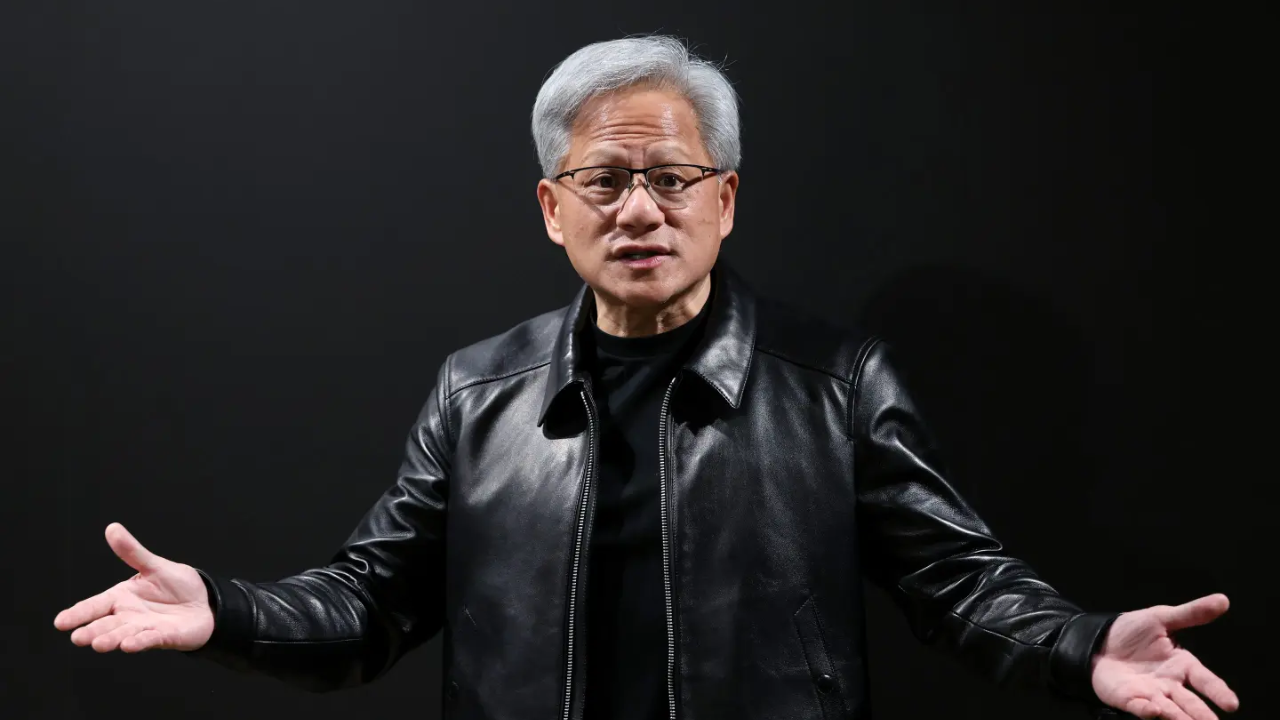
The Jensen and Lori Huang Foundation recently awarded the UW Medicine Institute for Protein Design (IPD) nearly 7 million GPU hours for computing resources. This transformative grant will enable IPD to develop RFD4-Proteina, an open, generative model that accelerates protein design by up to 10 times. RFD4-Proteina employs biomolecular reasoning to improve the effectiveness of scientists in creating new proteins with specific functions.
This open-source model will allow researchers worldwide to build upon its capabilities, discover more potential protein designs, and expedite the introduction of promising drug candidates into laboratory testing. David Baker, IPD director and professor of biochemistry at the University of Washington School of Medicine, stated that RFD4-Proteina will unlock new solutions in medicine, sustainability, materials, and biotechnology.
The in-kind grant provided access to powerful graphics processing units (GPUs), which significantly reduce algorithm learning and evaluation time from months to days. This acceleration will help IPD scientists tackle complex protein-design challenges in areas such as precision cancer therapeutics, durable vaccines, unaddressable diseases, and enzymes capable of degrading environmental toxins like harmful chemicals and plastics.
"Nvidia CEO Jensen Huang emphasizes that most of the most important medicines of the future will come from proteins that have never existed," he said. By training AI on tens of millions of molecular structures, learning from virtual experiments, and uncovering novel protein designs that nature has yet to discover, the Huang Foundation is expanding the frontiers of medicine while ensuring the resulting models, data, and tools are openly accessible to all.
Written by urgent.news from Times of India's reporting — not their text. Machine-written — may contain errors; check the original before relying on it.
This story
This is one outlet's version. Read the fullest account.