Hydrogen peroxide is the secret to a sparkling, odor-free bathroom — here's why it beats vinegar
Discover how to use hydrogen peroxide to clean mold and keep your bathroom sparkling.
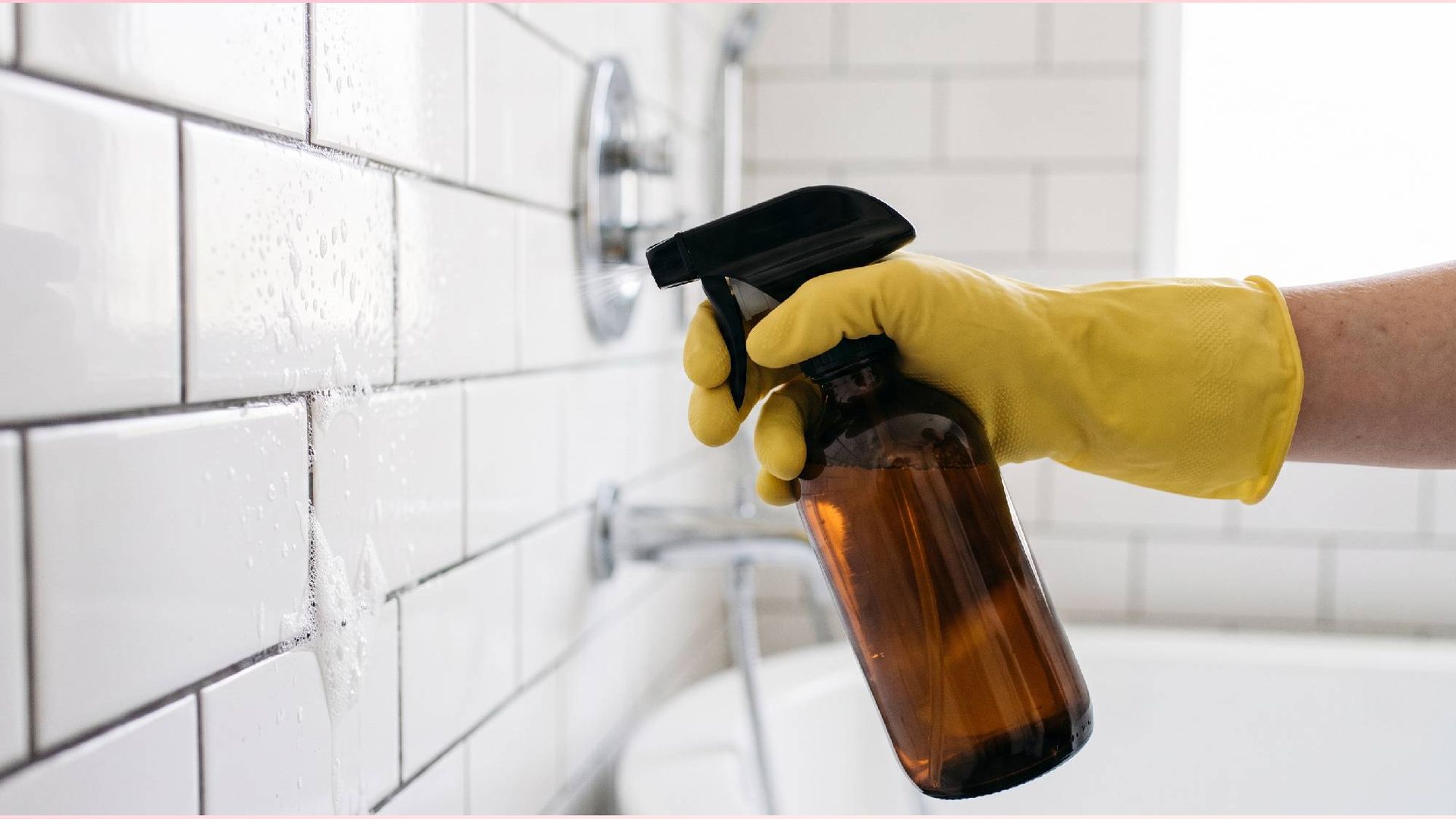
When dealing with bathroom cleaning tasks, many people turn to white vinegar due to its versatility. However, it falls short when it comes to tackling mold spores and can potentially damage tile grout over time due to its acidity. The bathroom's high humidity and trapped moisture create an ideal environment for mold, bacteria, and soap scum buildup.
White vinegar only removes the surface layer of these issues, leaving behind strong, lingering acid fumes without addressing deep mold or persistent odors at their core. In comparison, standard 3% hydrogen peroxide proves to be a more effective and odorless cleaner, making it a superior choice for bathroom maintenance.
The primary distinction between the two cleaners lies in their methods of tackling grime. While white vinegar is a mild acid that relies solely on acidity to dissolve surface buildup, hydrogen peroxide employs an oxygenating fizzing action. When it encounters mold or bacteria, it transforms into water and pure oxygen, penetrating deep into grout pores and physically lifting trapped dirt while eradicating mold at its source. Unlike vinegar, hydrogen peroxide does not produce any unpleasant odor.
To utilize hydrogen peroxide for bathroom cleaning, follow these simple steps. For grout, tile, and caulk, spray the 3% hydrogen peroxide directly onto dry, discolored grout lines or moldy caulk seams until thoroughly saturated. Allow it to sit for 10 to 15 minutes to break down the grime, then gently scrub using a stiff nylon brush or an old toothbrush.
Rinse clean with warm water. For heavily embedded black mold, create a thick paste by mixing baking soda and hydrogen peroxide. The baking soda acts as a mild abrasive, while the peroxide breaks down deep-seated stains. Rinse thoroughly after scrubbing.
In the case of shower glass and mirrors, create a mixture of equal parts hydrogen peroxide and distilled water with a single drop of dish soap. Spray the solution onto the glass, wipe it clean with a microfiber cloth, and finish with a squeegee for a streak-free, crystal-clear shine. For sinks and bathroom drains, pour one full cup of 3% hydrogen peroxide straight down the drain and let it sit for at least 30 minutes.
The oxygenating bubbles will destroy odor-causing bacteria in the P-trap, and flushing the area with hot water will ensure fresh, unobstructed pipes.
Written by urgent.news from Tom's Guide's reporting — not their text. Machine-written — may contain errors; check the original before relying on it.