Where to See the World’s Creepiest Dolls and Toys
Humans have played with dolls for thousands of years, but it was not until the 18th century, when improved manufacturing rendered them more lifelike, that they started to be seen as sinister. Doll makers pivoted to porcelain skin, glass eyes, and wigs made of human hair, creating children and babies whose uncanniness to real people made them more unnerving than lovable. Later, in the Victorian…
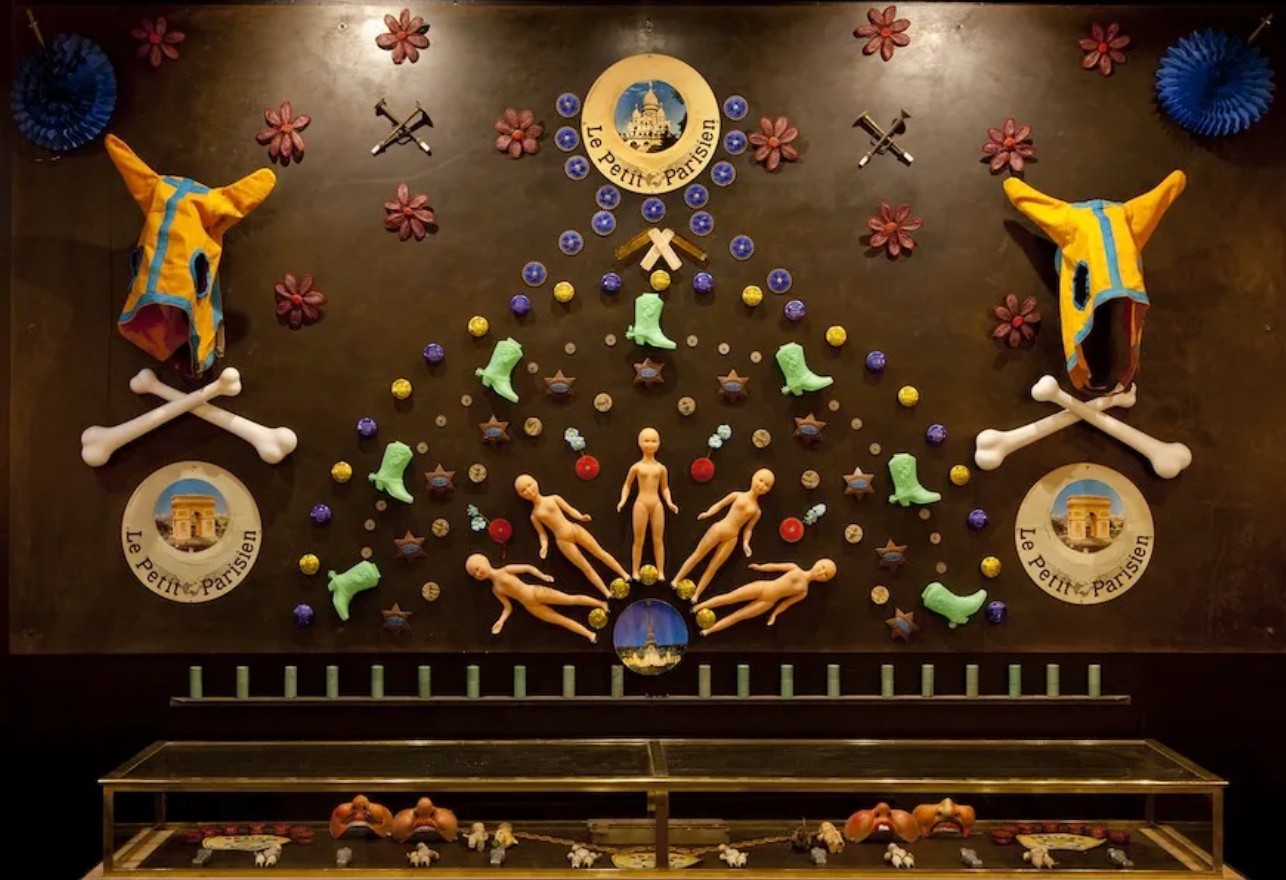
1. Tombées du Camion - Saint-Ouen, France
This curious shop near Paris specializes in unique, vintage items from French factories. Owner Charles Mas focuses on objects with emotional value, such as glass dolls' eyes, coffin handles, and bicycle-shaped sunglasses. The name "goods that have fallen off the back of a truck" hints at the store's unusual nature.
2. Ospedale delle Bambole - Rome, Italy
The Squatriti family has maintained this small shop in Rome's historic center for nearly 90 years. They repair broken dolls, piece together missing body parts, and use paintbrushes, twine, and plaster to keep the shop running. Locals consider it a second home and a "shop of terror," but to the Squatriti family, it's a familiar place.
3. Nutshell Studies of Unexplained Death - Baltimore, Maryland
In the mid-20th century, Chicago socialite Frances Glessner Lee crafted 20 dioramas of real crime scenes on a 1-inch-to-1-foot scale. Using autopsies and real settings, Lee aimed to provide educational value for forensic investigations. Today, the Nutshell collection remains a tool for investigators at the Maryland Office of the Chief Medical Examiner.
4. The House of Dreams Museum - London, England
Textile designer Stephen Wright transformed his home into a museum of his creative work. The ground floor, including the garden and exterior, showcases mosaics, collages, dolls, and handwritten memory boards. Wright's fascination with various aspects of life led to the museum's eclectic collection, which continues to grow with donations from visitors.
5. Mary's Gone Wild Folk Art and Doll Baby Museum - Supply, North Carolina
Artist Mary Paulsen created this whimsical village for her collection of 6,000 dolls. Completed with painted windows, tin cans, glass shards, and other donated items, the village includes a schoolhouse, soda shop, library, and chapel. Visitors are often greeted by Mary herself, who shares stories and introduces them to the quirky dolls. Despite its eerie appearance, the village's charm quickly wins over guests.
Written by urgent.news from Atlas Obscura's reporting — not their text. Machine-written — may contain errors; check the original before relying on it.