Swiggy’s Q2: Net loss drops nearly 16%, revenue rises 36%; What sells? The celebrity or the product?
Food and grocery delivery platform Swiggy has narrowed its net loss by 15.6% year on year in the second quarter of FY27. Its revenue rose 36% during the same period.
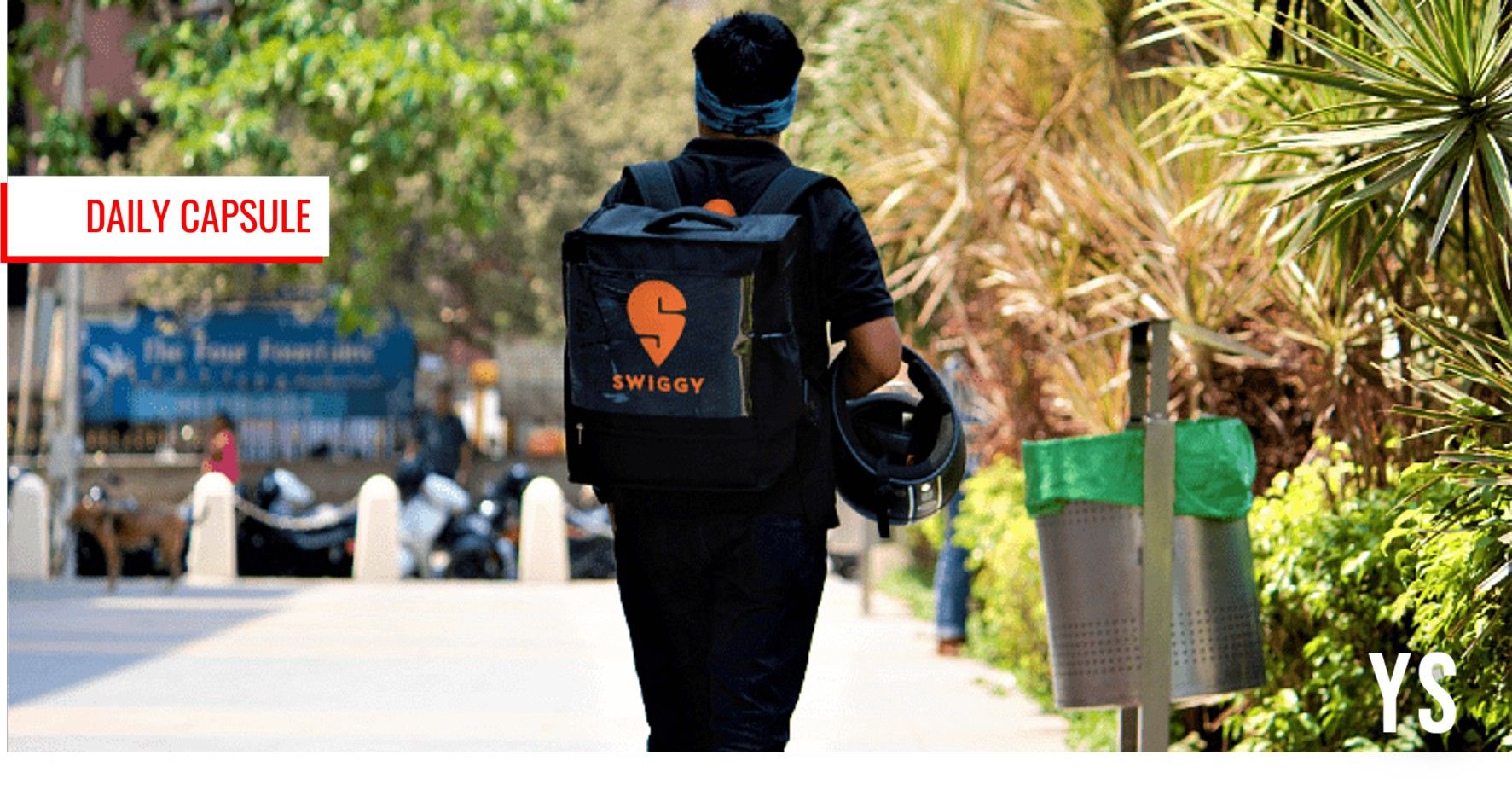
In Swiggy's Q2 earnings report for FY27, the company experienced a notable improvement as its net loss dropped nearly 16% year-on-year, while revenue surged by 36%. The company reported a loss of Rs 922 crore in Q2, down from Rs 1,092 crore in the same quarter of the previous year. Swiggy's revenue for the quarter was Rs 7,571 crore, compared to Rs 5,561 crore a year ago.
Key takeaways from the report include the widening losses at Instamart, Swiggy's quick commerce business, which reached Rs 764 crore, up from Rs 739 crore a year ago. Instamart's revenue for the second quarter was Rs 1,306 crore, showing a growth of 35% year-on-year. The company's food delivery business witnessed a 17.7% increase in gross order value to reach Rs 10,054 crore for the quarter.
Adjusted EBITDA for the quarter stood at Rs 341 crore, marking a substantial improvement of Rs 101 crore compared to the previous year. In contrast, Swiggy's competitor Eternal reported a 92% rise in net profit to Rs 125 crore and a 78% increase in revenue to Rs 24,138 crore in Q2 of FY27.
Ananth Narayanan, Founder and CEO of BRND.ME, shared insights at the 17th edition of YourStory’s TechSparks event, emphasizing that celebrities no longer sell products. Instead, the product itself is the key driver of success. Narayanan stressed that merely scaling is no longer sufficient for D2C brands to thrive, as they must achieve real cash flows and genuine product love.
He advised founders to build with passion, stating that a product they love will outlast a celebrity-driven approach. Narayanan also discussed India's potential to become a leading brand, moving beyond cultural symbols like yoga and Ayurveda to embrace the unique aspects of Indian living in the digital age.
Written by urgent.news from YourStory's reporting — not their text. Machine-written — may contain errors; check the original before relying on it.