Protests, the cost of living and a widening wealth gap
Protesters in several countries in Europe and Asia are voicing anger over the cost of living, public services and their prospects. France has had the largest demonstrations, with more than 500,000 people marching at the weekend and outbreaks of looting and rioting. There is no single, unifying motivation for the broader international protests, but underlying them is undoubtedly the rising cost of…
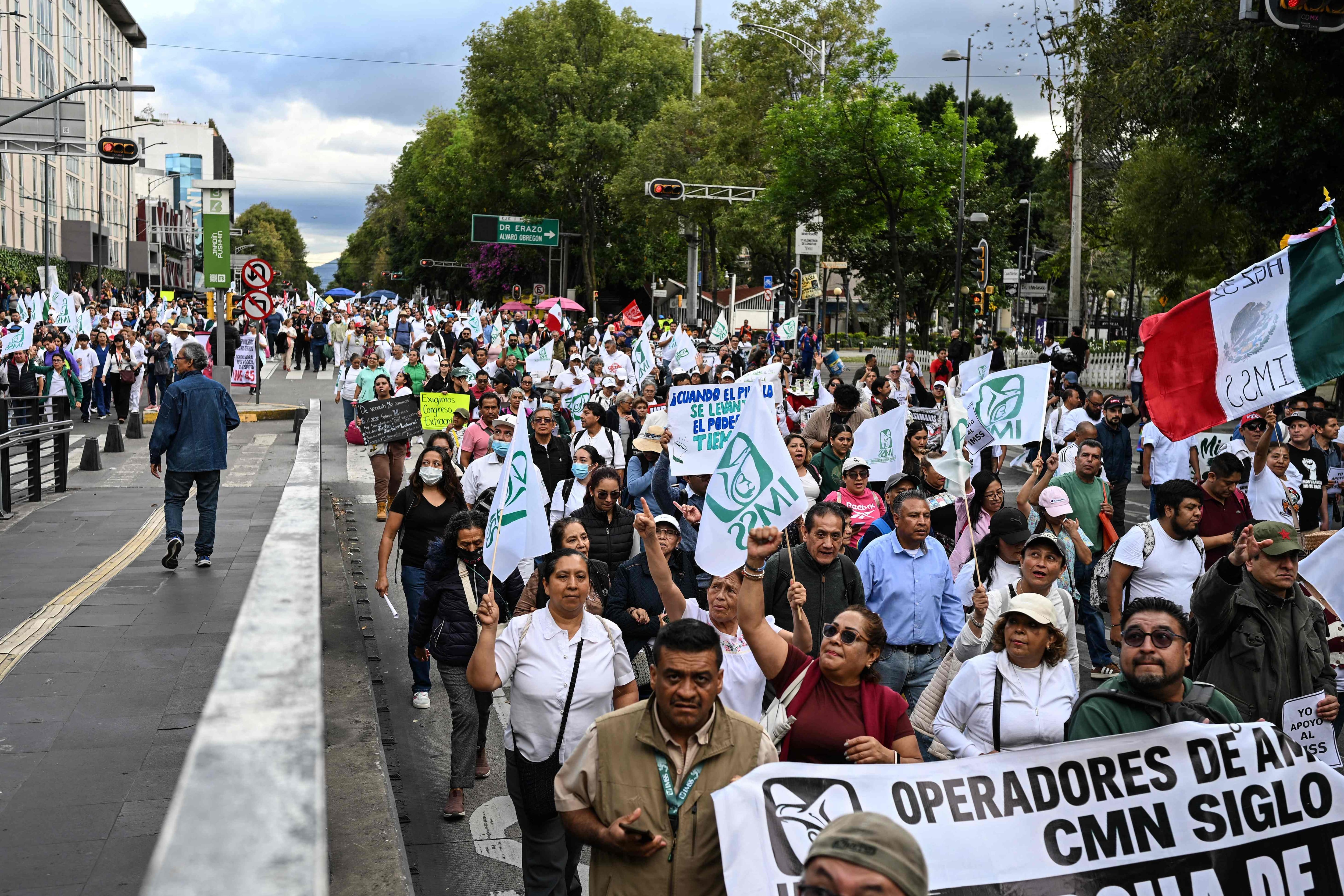
Recent protests across Europe and Asia have focused on escalating concerns over the cost of living, public services and future prospects. France has seen the most significant demonstrations, with over half a million people taking to the streets over the weekend, accompanied by instances of looting and rioting.
Experts believe that the widespread discontent is chiefly driven by the mounting cost of living. Inflation has been a growing concern, exacerbated by a widening wealth gap. According to the UBS Global Wealth Report 2026, only 58 million adults, representing just 1.5 percent of the world's population, possess a net worth exceeding $1 million, controlling 48.4 percent of the world's total wealth.
Conversely, 1.62 billion adults, or 42.1 percent of the global population, have assets of less than $10,000, accounting for a mere 0.6 percent of global wealth.
The disparity is stark, with the top 1.5 percent holding a commanding 48.4 percent share of wealth, while the bottom 42.1 percent possess only 0.6 percent. This wealth gap has placed immense pressure on household budgets. Charts provided in the article illustrate the steep rise in consumer prices since 2000. In France, a basket of goods that cost $100 in 2000 now costs $151 in 2025.
In Serbia, the same basket now costs $1,054, and Iran and Turkey have witnessed even more significant price increases. A logarithmic scale is used to compare these prices.
Interestingly, the chart also highlights that inflation has subsided to a more manageable rate in many countries since its peak. However, this does not imply that prices have returned to the levels of 2000, but rather that they are still substantially higher. Countries that have witnessed protests in 2026 are marked in red on the chart.
The affected regions include Europe & Central Asia, the Middle East & North Africa, Sub-Saharan Africa, Asia, and Latin America. The countries with the highest percentage increase in consumer prices are Belarus (+4,888%), Uzbekistan (+1,870%), Serbia (+720%), and Georgia (+251%).
Written by urgent.news from The National UAE's reporting — not their text. Machine-written — may contain errors; check the original before relying on it.
This story
This is one outlet's version. Read the fullest account.
- Protests, the cost of living and a widening wealth gap thenationalnews.com