Protests, the cost of living and a widening wealth gap
Protesters in several countries in Europe and Asia are voicing anger over the cost of living, public services and their prospects. France has had the largest demonstrations, with more than 500,000 people marching at the weekend and outbreaks of looting and rioting. There is no single, unifying motivation for the broader international protests, but underlying them is undoubtedly the rising cost of…
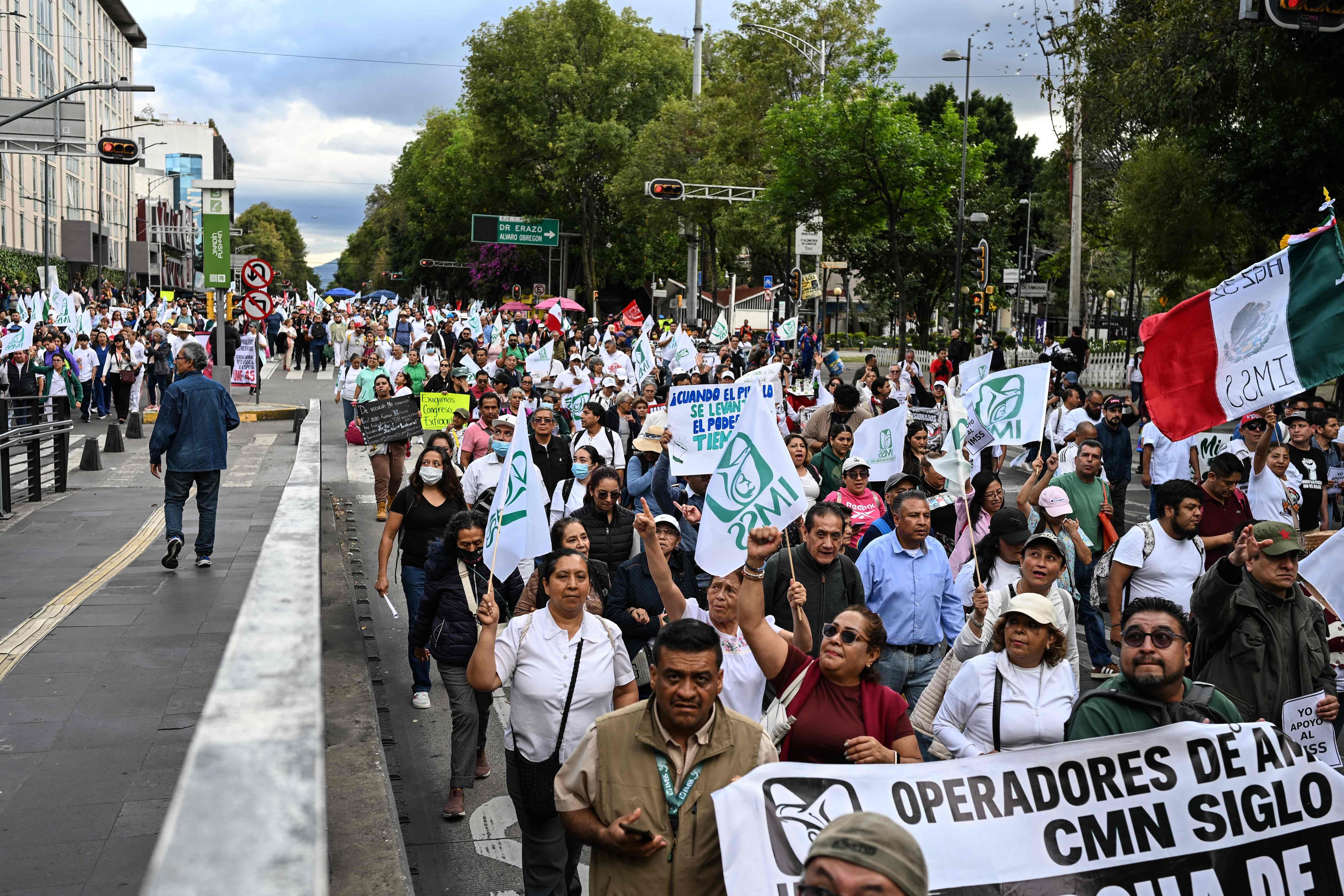
Protests are erupting across Europe and Asia as people express frustration over soaring living costs, deteriorating public services, and widening wealth disparities. France has witnessed the most significant demonstrations, with over half a million people taking to the streets last weekend, accompanied by instances of looting and riots.
While there is no single unifying cause behind the international protests, a common thread is the rising cost of living, fueled by global inflation. According to UBS's Global Wealth Report 2026, a mere 58 million adults – comprising just 1.5% of the world's population – possess over $1 million each and control a staggering 48.4% of the world's wealth. In contrast, 1.62 billion adults, accounting for 42.1% of the global population, hold less than $10,000 each, constituting a mere 0.6% of the world's wealth.
The mounting pressure on household budgets is another contributing factor. The accompanying charts illustrate the rate at which consumer prices have surged since 2000. In France, a basket of goods that cost $100 in 2000 now costs $151 in 2025. In Serbia, the same basket has skyrocketed to $1,054. In Iran and Turkey, the price increases are even more pronounced, necessitating a logarithmic scale for comparison.
Interestingly, the chart tracking consumer prices since 2000 reveals that inflation has eased from its recent peaks in many countries. However, this merely signifies a slower rise in prices rather than a return to pre-inflation levels. The chart specifically highlights countries that have experienced protests since 2026 with a red color, indicating the potential correlation between economic hardships and social unrest.
Written by urgent.news from The National Business's reporting — not their text. Machine-written — may contain errors; check the original before relying on it.
Also reported by 1 other outlet
- Protests, the cost of living and a widening wealth gap thenationalnews.com