On this day in space! Oct. 23, 2007: NASA launches Harmony module to ISS on STS-120 space shuttle mission
On October 23, 2007, the space shuttle Discovery launched the Harmony module to the International Space Station. Here's why it mattered.
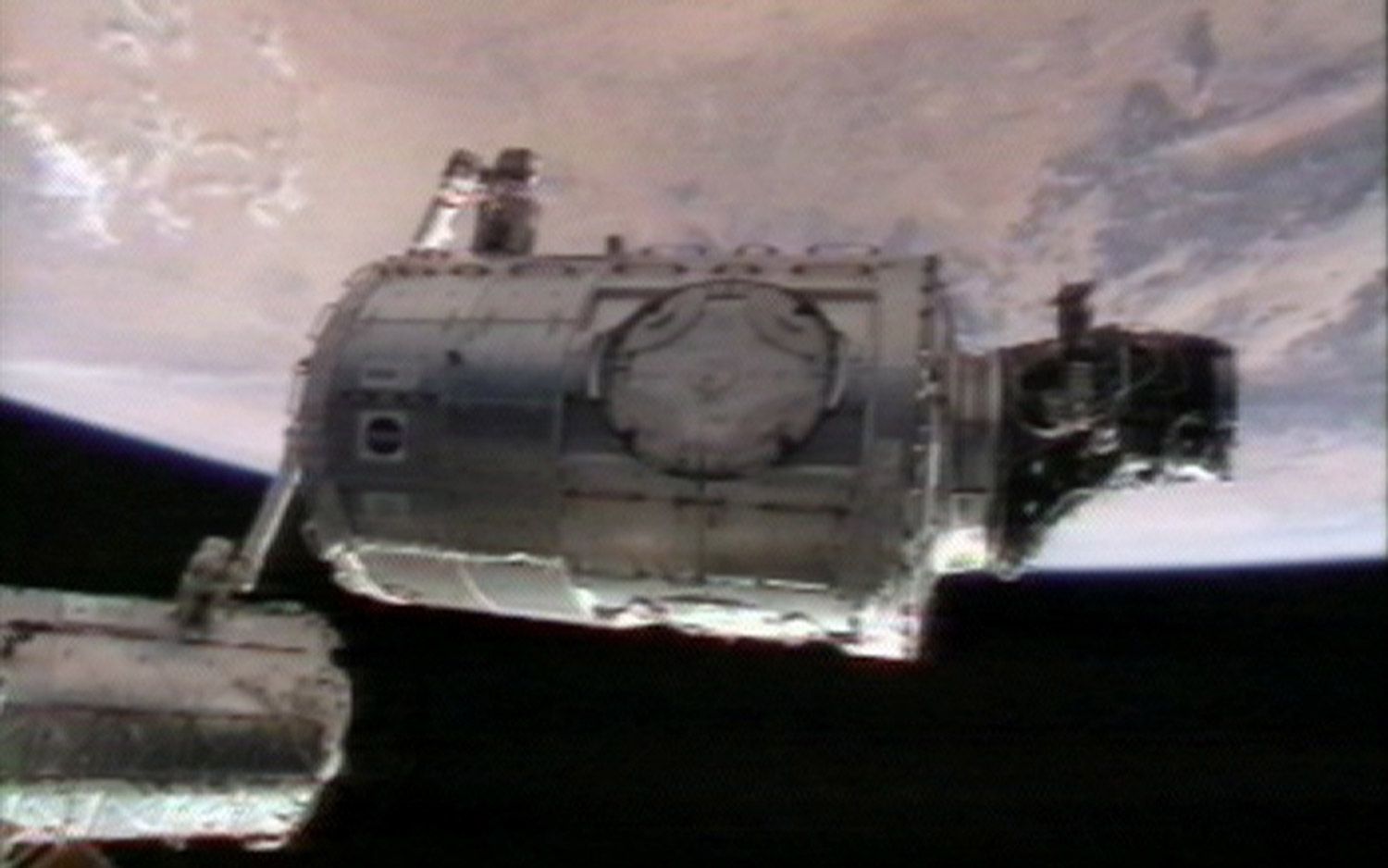
On October 23, 2007, NASA launched the Harmony module aboard the space shuttle Discovery as part of the STS-120 mission. This utility hub, measuring 14 feet wide and 24 feet long, is roughly the size of a minibus. The Harmony module will join the European Space Agency's Columbus module and Japan's Kibo laboratory, serving as crew quarters for American astronauts.
Upon its installation, the International Space Station expanded from the size of a three-bedroom house to a more spacious five-bedroom house. Initially, the Harmony module was temporarily attached to the Unity node. After the shuttle departed, the station's robotic arm was employed to clear space for Harmony's permanent docking next to the Destiny module.
Thus, the U.S. Harmony node, launched on STS-120, transformed the ISS by providing a vital connecting module for future expansions. The mission marked a new phase in ISS development, as the last major room addition had occurred in 2001 with the arrival of Russia's Pirs docking module. Built by Italy's Thales Alenia Space, Harmony is equipped with five common berthing mechanisms for connections with other ISS modules.
After its relocation from a temporary berth at the Unity module to the forward port of the Destiny laboratory, the Harmony module facilitated connections for Europe's Columbus lab and Japan's Kibo lab. Its ports have been utilized by visiting cargo ships, and a roof docking port enables visiting vehicles to park. Within the Harmony module are eight payload racks, four for avionics and four for storage or crew quarters.
The module's astronaut crew quarters were also situated within it. The name "Harmony" was chosen through a public naming contest conducted by NASA.
Written by urgent.news from Space.com's reporting — not their text. Machine-written — may contain errors; check the original before relying on it.