NASA’s Swift Mission Ends, Leaves Behind Scientific Bonanza
NASA’s Neil Gehrels Swift Observatory has ended its science mission now that the spacecraft is orbiting less than 171 miles (275 kilometers) above Earth’s surface. The greater atmospheric drag at this height prevents the satellite’s telescopes from steadily gazing at their astronomical targets. Swift conducted its final observation on Oct. 20. It is expected to […]
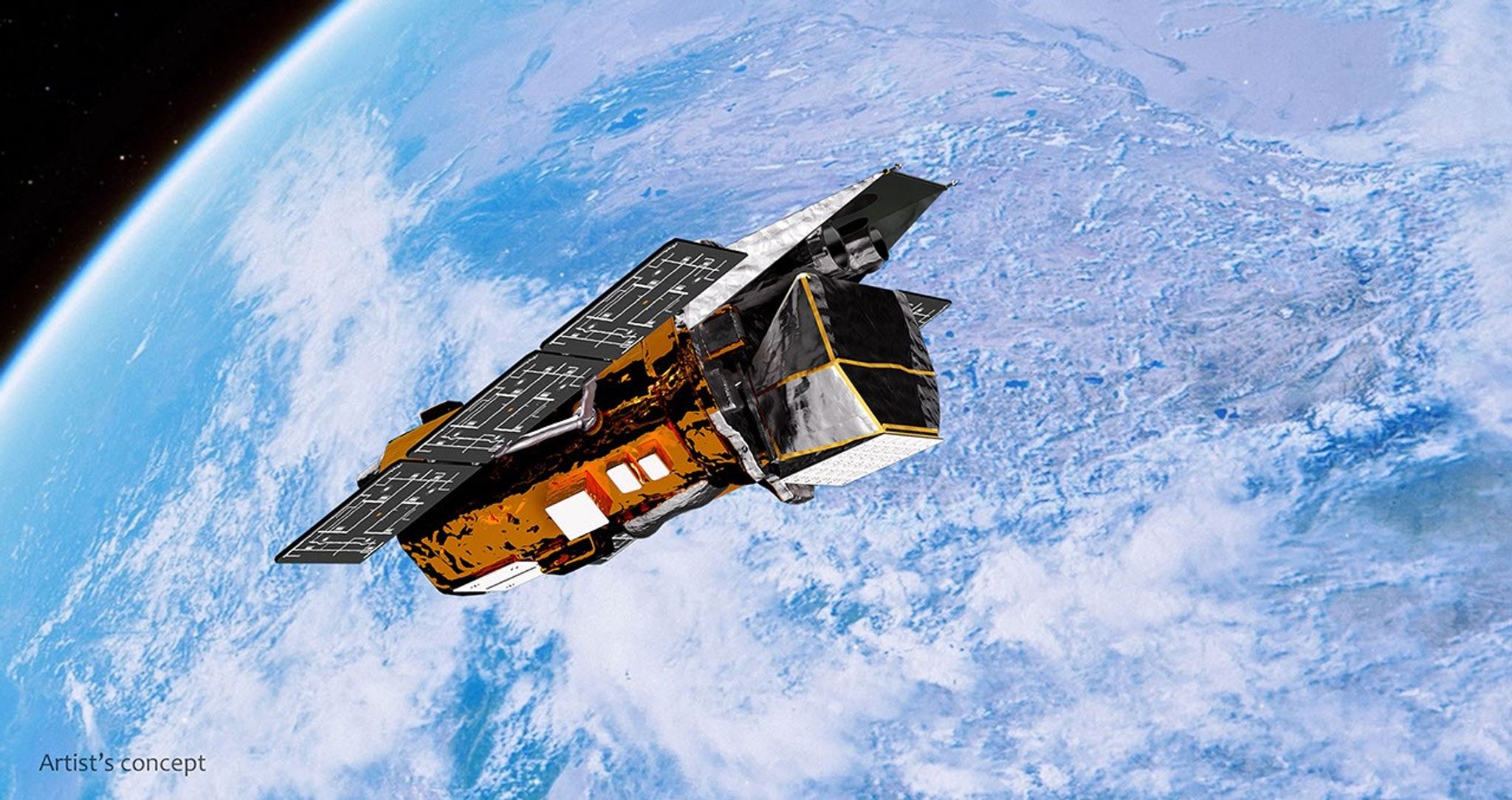
NASA’s Neil Gehrels Swift Observatory has concluded its scientific observations, concluding a mission that lasted for more than a decade. The satellite, now orbiting at a height of less than 171 miles above Earth, can no longer maintain steady observations due to increased atmospheric drag. Scientists attribute the mission’s success to the satellite’s speed and flexibility, which allowed it to quickly respond to cosmic events.
In its time, Swift observed more than 2,000 gamma-ray bursts, the most energetic explosions in the universe, and monitored supernovae, black hole shredding, active galaxies, and more. Its data has contributed to over 7,000 scientific papers. Led by Neil Gehrels, the mission was renamed in his honor after his passing in 2018. Swift’s legacy will continue through an extensive archive of observations and by inspiring new rapid-response capabilities in existing space telescopes.
Written by urgent.news from NASA's reporting — not their text. Machine-written — may contain errors; check the original before relying on it.
This story
This is one outlet's version. Read the fullest account.
- NASA’s Swift Mission Ends Ahead of Re-Entry science.nasa.gov