Let 17-year-olds change their minds. In the age of AI, it’s their best career move
Colleges make 17-year-olds bet their futures on a guess. AI just raised the stakes.
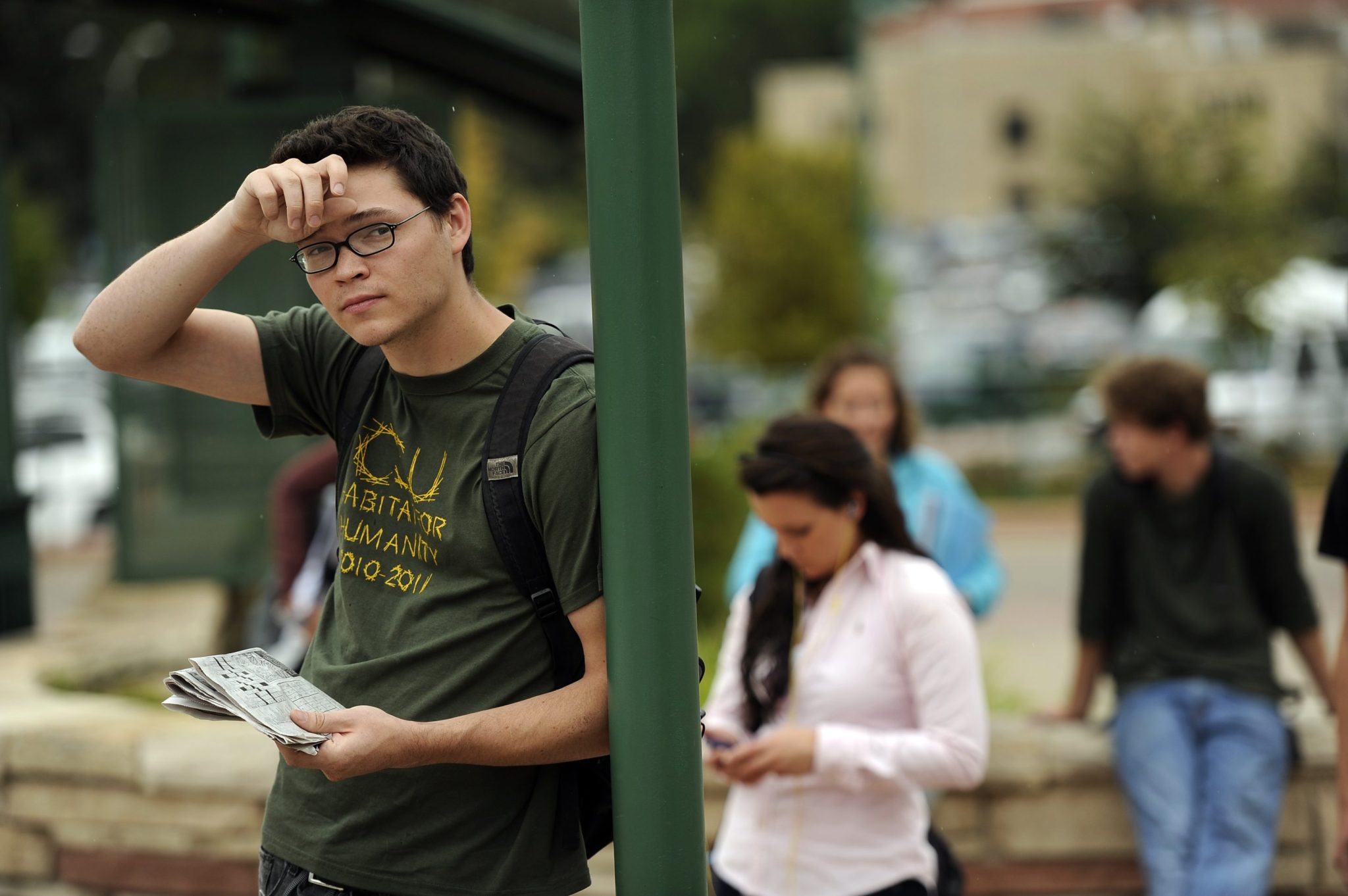
Every fall, millions of 17-year-olds face a significant gamble in choosing a college major, committing four years and thousands of dollars to that choice. Doing so often means not having the option to change their minds, as that costs valuable time and money most families don't possess. While I run a liberal arts college, I believe this system is flawed.
As Ohio Wesleyan University's president, I've witnessed how our industry penalizes students for figuring out who they are, a natural part of adolescence. Studies show that vocational interests remain stable through most of adolescence, then become more definite between ages 18 and 22. This is precisely when students should identify their passions.
However, they're asked to declare a major just before they're ready, leading many to change their minds. Federal data indicates that 30% of undergraduates switch majors within three years of enrolling, while other estimates suggest the lifetime number is closer to 80%. These exploratory students are the majority, often treated as a problem to fix.
Artificial intelligence has amplified the issue, with 47% of enrolled college students considering changing their major due to its impact on jobs, and 16% already having done so. The traditional focus on specific majors, job pipelines, and shrinking humanities departments is becoming obsolete. AI can now replicate domain expertise, meaning employers seek individuals who can think critically, understand context, and write persuasively.
Students recognize this, and have requested preserving authentic learning and AI skills in their education. At Ohio Wesleyan, we're embracing the exploratory majority by delaying major declarations until the sophomore year. Our general education courses center on competencies applicable in any profession. Students are required to engage in internships, research, study abroad, service, or entrepreneurship to apply their learning.
We're also building a campus focused on arts and humanities, with a new library and a division dedicated to these fields, recognizing the value of these disciplines in developing uniquely human skills. We're shifting our focus and building a university that supports self-discovery, challenging the status quo and preparing students for an ever-changing world.
Written by urgent.news from Fortune's reporting — not their text. Machine-written — may contain errors; check the original before relying on it.