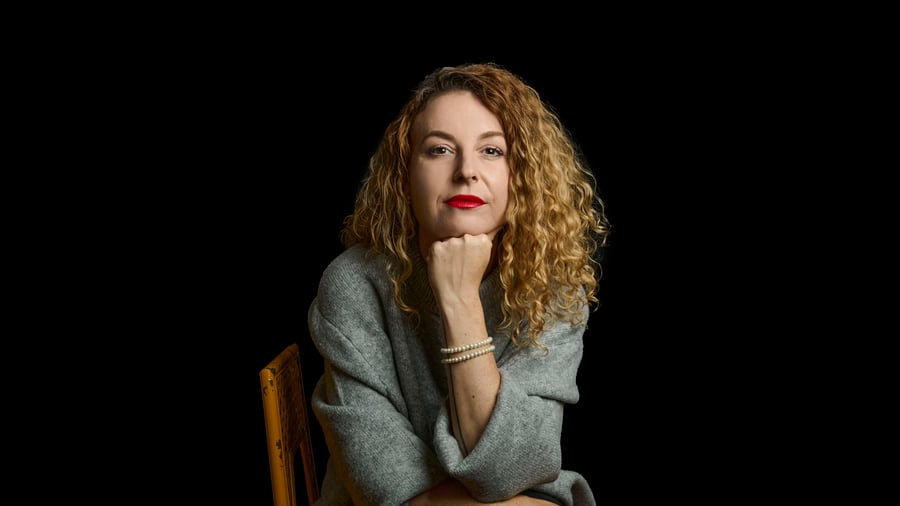
Künstliche Intelligenz: „Wir können diese Agenten schon heute nicht kontrollieren“
Der US-Bestsellerautor Michael Pollan über Gefühle in KI, Gespräche mit Claude – und welche Teile seines Lebens er nie mit einem Chatbot teilen würde.

In a picturesque corner of the Berkeley campus, Michael Pollan, a renowned food writer, sits down to ponder one of humanity's greatest mysteries: consciousness. Known for his insightful explorations into food, coffee, psychedelics, and the brain, Pollan has now turned his attention to the enigmatic nature of awareness itself.
Before delving into the profound question of consciousness, Pollan takes a moment to savor some zesty lemon cake, acknowledging that deep contemplation often begins with a humble bite. Recently arrived from Monterey's Aquarium, where jellyfish seemed to exhibit a form of consciousness, Pollan reflects on the delicate terminology required when discussing such complex phenomena.
When referring to non-human entities, Pollan prefers to use the term "sentience" rather than "consciousness." This distinction acknowledges that all living organisms possess the ability to recognize their environment, discern what is beneficial or harmful, and respond accordingly. Each species manifests a unique form of sentience, shaped by their specific bodies and sensory apparatuses.
Humans, dogs, jellyfish—each demonstrates a distinct manifestation of sentience, illustrating the vast spectrum of awareness that exists in the natural world. By embracing this nuanced language, Pollan invites us to appreciate the rich tapestry of sentience that permeates life on Earth, inviting further inquiry into the origins and intricacies of consciousness.
Written by urgent.news from Handelsblatt's reporting — not their text. Machine-written — may contain errors; check the original before relying on it.