From inshallah to ojala: Havana museum explores Cuba's hidden Arab history
The Casa de los Arabes in Havana is easy to miss, hidden in one of the ubiquitous colonial-era manses that line the winding streets of the Cuban capital. But inside the “Arab House” the stories of the island's Arab immigrant community and the formative role it played in the country's history is revealed. One room displays traditional Arab weaponry such as swords and rifles, some of which were…
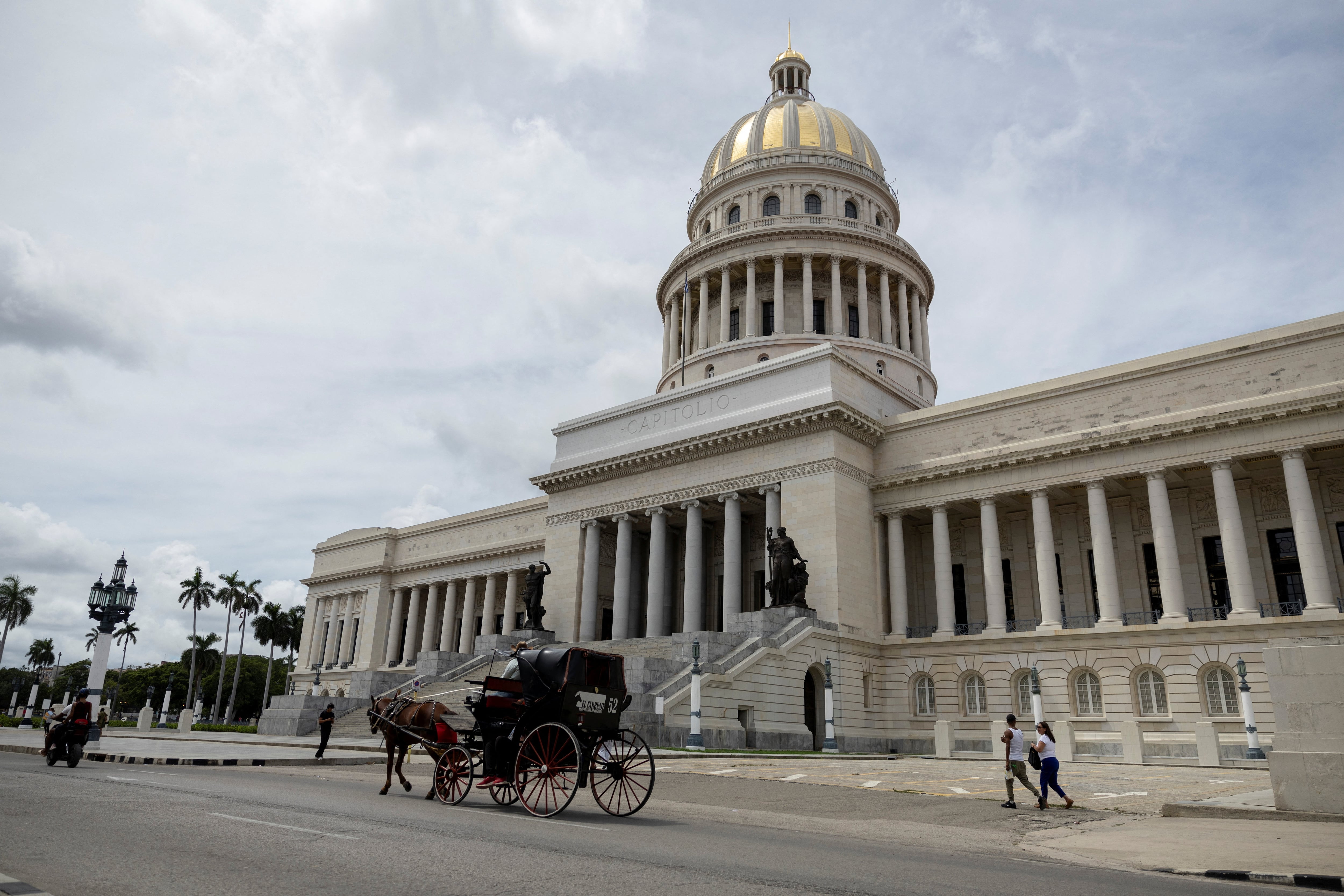
Casa de los Arabes, a museum in Havana, uncovers the hidden Arab history of Cuba. Nestled within a colonial-era mansion, the museum showcases the island's Arab immigrant community and their significant role in Cuban history. Exhibits include traditional Arab weaponry, such as swords and rifles, once gifted by foreign dignitaries to Fidel Castro, who spearheaded the Cuban revolution in the 1950s.
Another exhibit recreates a Bedouin tent from the Kuwaiti desert, while a display of early immigrant families' photos and personal items illustrates their stories.
Jackeline Diaz Fuentes, the museum's director, shared that before European explorers discovered Cuba, the Arab world had a profound impact on Spanish-speaking people due to the Muslim rule in Spain that lasted over seven centuries. She noted that many Arabic words are present in the Spanish language, and even the Spanish expression "ojala" (hopefully) originates from the Arabic phrase "inshallah."
Throughout its history, Cuba has been a crucial hub for international trade, with ports bustling with ships transporting goods between the Americas and Europe. Over centuries, people from various backgrounds – either voluntarily or as slaves and indentured servants – arrived in Cuba, contributing to its diverse population. Most Cubans today can trace their roots back to indigenous, African, European, or Asian ancestry.
The first Arab immigrants arrived in Cuba during the late 19th century, fleeing economic turmoil, high taxes, and conscription pressures in the Ottoman Empire. Many sought opportunities in the US, but Cuba served as a key entry point to the West.
Initially, young Arab men came to Cuba alone, engaging in street vending and eventually establishing stable import businesses. Over time, families and brides joined them, and some intermarried with the local population, integrating more deeply into Cuban culture. During Cuba's war of independence from Spain in 1895, Arabs played a significant role, identifying with the Cuban people and their fight for improved living standards.
Although the Arab community has largely assimilated into Cuban society, descendants of the first immigrants founded the Arab Union of Cuba in the 1970s to preserve and promote Arab culture and contributions. Today, Cuba remains a popular destination for Arab and Muslim immigrants, with many students seeking education. Originally, Casa de los Arabes housed the island's only mosque, used solely by foreign diplomats and their families.
However, a new mosque, funded by Saudi Arabia, opened across the street in 2015, marking a shift in the community's relationship with religious institutions. Diaz Fuentes emphasized the deep and lasting impact of Arab influence on Cuban national history.
Written by urgent.news from The National Business's reporting — not their text. Machine-written — may contain errors; check the original before relying on it.
This story
This is one outlet's version. Read the fullest account.
- From inshallah to ojala: Havana museum explores Cuba's hidden Arab history thenationalnews.com