From inshallah to ojala: Havana museum explores Cuba's hidden Arab history
The Casa de los Arabes in Havana is easy to miss, hidden in one of the ubiquitous colonial-era manses that line the winding streets of the Cuban capital. But inside the “Arab House” the stories of the island's Arab immigrant community and the formative role it played in the country's history is revealed. One room displays traditional Arab weaponry such as swords and rifles, some of which were…
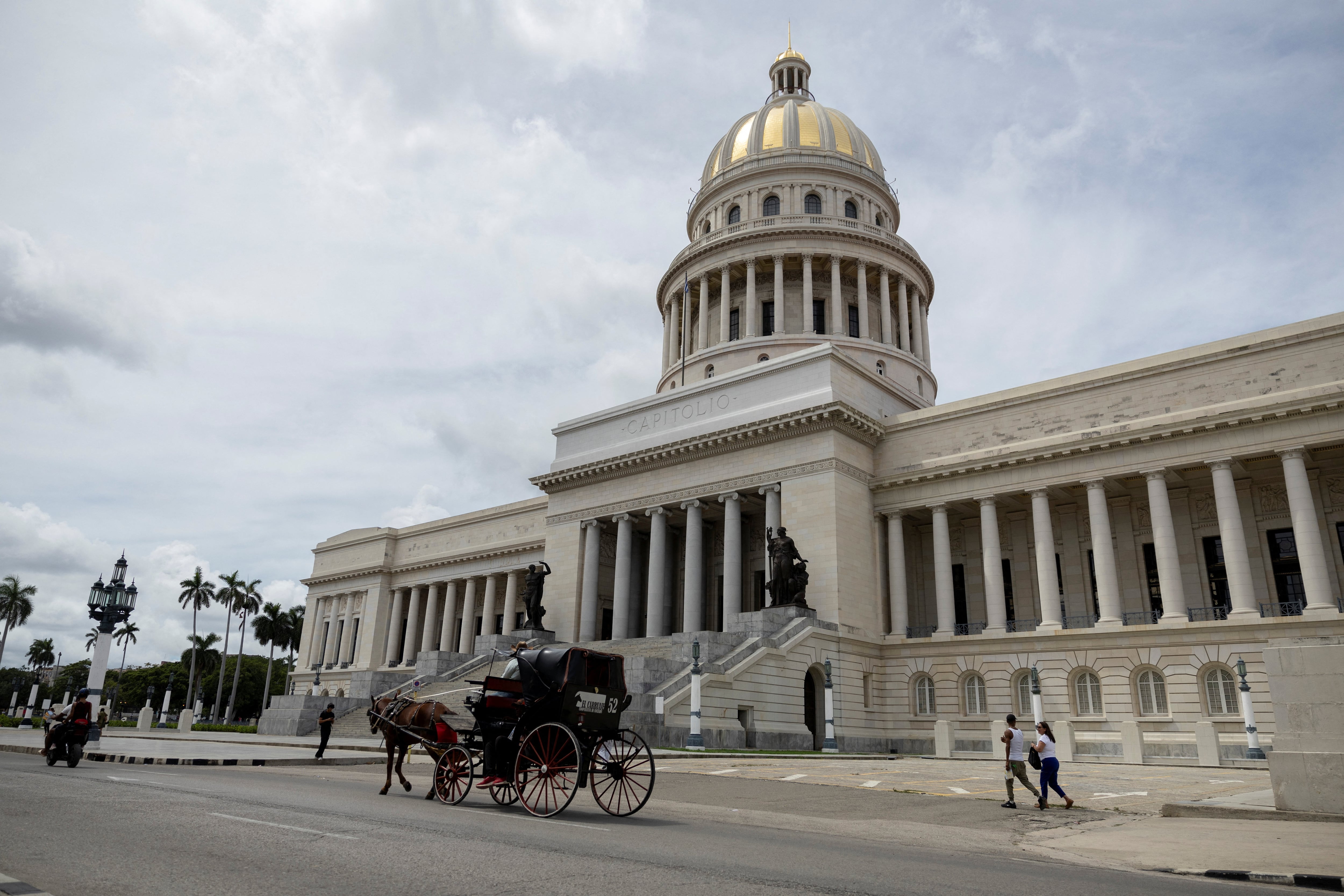
The Casa de los Arabes, a museum in Havana, offers a glimpse into Cuba's often overlooked Arab history. Tucked away in a colonial mansion, the museum showcases the stories and contributions of Cuba's Arab immigrant community. One room displays traditional Arab weaponry, some of which were gifts from foreign dignitaries to Fidel Castro, who led the Cuban revolution in the 1950s.
Another section recreates a Bedouin tent in the Kuwaiti desert, while another room features photos and personal items of early immigrant families, illustrating their stories.
Jackeline Diaz Fuentes, director of Casa de los Arabes, explained that before European explorers discovered Cuba, the Arab world had influence on Spanish-speaking people through Muslim rule in Spain, which lasted over 700 years. Many Arabic words found their way into Spanish, including the phrase "ojala" (hopefully), which originates from the Arabic "inshallah." Spanish architecture, heavily influenced by Islamic rule in Spain, also reached Cuba.
Cuba has historically been a major hub for international trade, with its ports bustling with ships transporting sugar, cotton, and manufactured goods between the Americas and Europe. People from all over the world, including those of their own free will, as slaves, or as indentured servants, arrived in Cuba throughout history. Arabs arrived in Cuba during the second half of the 19th century, primarily from the Levant, which was experiencing upheaval at the time.
Economic depression, high taxes, fears of military conscription under the Ottoman Empire, and shrinking farmland prompted many Levantine people to seek opportunities elsewhere.
Many Arab immigrants to Cuba from Lebanon, Syria, and other countries initially came to the US, but Cuba served as a crucial entry point to the West. Young Arab men often started as street vendors, eventually establishing stable import businesses. Over time, the community integrated more into Cuban culture, marrying into local populations. Arabs even participated in the war of independence from Spain in 1895, demonstrating their commitment to Cuban society.
While the Arab community in Cuba has largely assimilated, descendants of early immigrants formed the Arab Union of Cuba in the 1970s to preserve and promote their culture and contributions. Today, Cuba remains a magnet for people from the Arab and Muslim world, particularly students studying in the country. Historically, the Casa de los Arabes served as the only mosque on the island, exclusively used by foreign diplomats and their families.
However, the arrival of another mosque funded by Saudi Arabia in 2015 changed that dynamic. Arab influence is evident throughout Cuba, including in the island's distinctive guayabera shirt, which was redesigned and popularized by a Lebanese textile merchant. According to Ms. Diaz Fuentes, "There is an inextricable link between Cubans and Arabs; they left an indelible print on Cuba's national history."
Written by urgent.news from The National UAE's reporting — not their text. Machine-written — may contain errors; check the original before relying on it.
Also reported by 1 other outlet
- From inshallah to ojala: Havana museum explores Cuba's hidden Arab history thenationalnews.com