Experts say all high-risk groups vulnerable to haze, including those with medical conditions
KUALA LUMPUR, Oct 24 — While haze exposure poses health risks to the general population, high-risk groups such as...
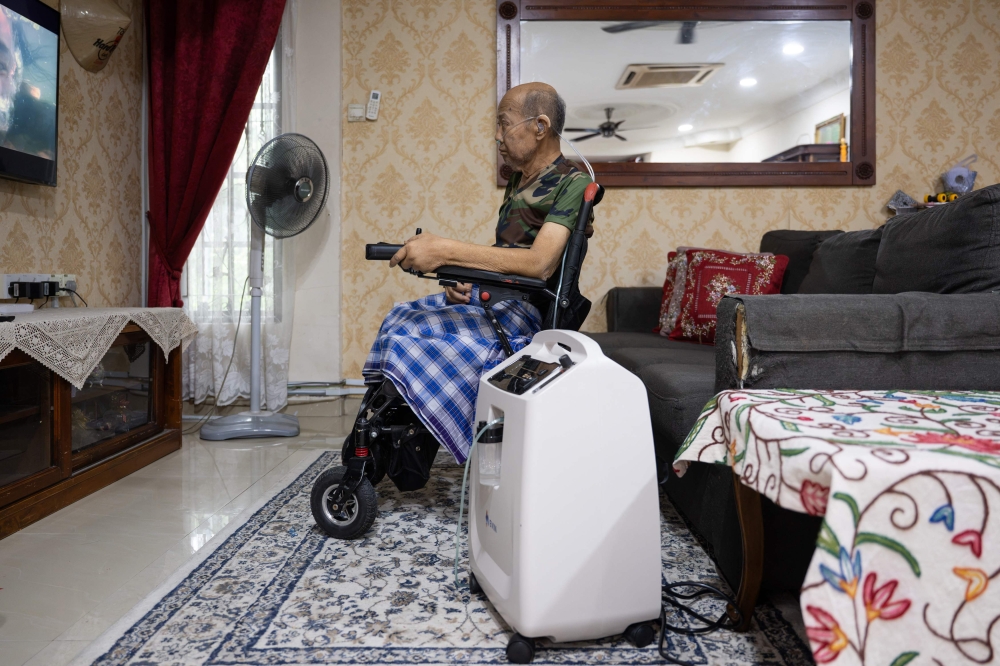
KUALA LUMPUR, Oct 24 — High-risk groups such as children, older adults, and pregnant women are particularly vulnerable to the health risks posed by haze exposure, according to medical and health experts. However, no single group among the high-risk categories is more susceptible than others, with susceptibility depending on factors like age, underlying medical conditions, and the duration and intensity of exposure.
Dr Bala Murali Sundram, a public health medicine specialist at Universiti Malaya Faculty of Medicine, explained that young children with asthma, older adults with heart or lung diseases, and pregnant women with underlying medical conditions are especially susceptible during haze episodes. He noted that children, particularly those under five years old, are more vulnerable due to their developing lungs and immune systems, as well as their higher breathing rate relative to body weight and increased physical activity.
Older adults, defined in Malaysia as those aged 60 and above, face heightened risks due to age-related physiological changes and the higher prevalence of chronic diseases. These conditions can be aggravated by haze exposure, potentially leading to increased hospitalizations, heart attacks, and strokes. Pregnant women also fall into the high-risk category, with studies linking air pollution exposure during pregnancy to adverse birth outcomes like preterm birth and low birth weight.
However, Dr Bala emphasized that the risk depends on the timing, intensity, and duration of exposure, and a brief haze episode may not necessarily result in pregnancy complications.
Symptoms of haze-related illnesses among high-risk groups can vary, with respiratory problems being the most common. These can include acute exacerbations of bronchial asthma in both children and adults, as well as chronic obstructive pulmonary disease (COPD) among older adults. Allergic reactions and nasal congestion due to allergic rhinitis are also possible.
Dr Boo Cheng Hau, a general practitioner, also highlighted that children could face more serious long-term effects if the haze problem persists, as they may be breathing toxic gases and polluted air for extended periods.
PM2.5, or fine particulate matter, is a significant concern in haze exposure. These tiny particles can penetrate deep into the lungs and bloodstream, exacerbating respiratory and cardiovascular conditions. Dr Norafiza Mohd Yasin warned that pregnant women should take precautions against PM2.5 exposure, as studies have shown it can lead to adverse pregnancy outcomes, including preterm birth and low birth weight.
Children, particularly those under two years old, are especially vulnerable due to their underdeveloped lungs, which make them more susceptible to haze-related lung infections and pneumonia.
Written by urgent.news from Malay Mail's reporting — not their text. Machine-written — may contain errors; check the original before relying on it.