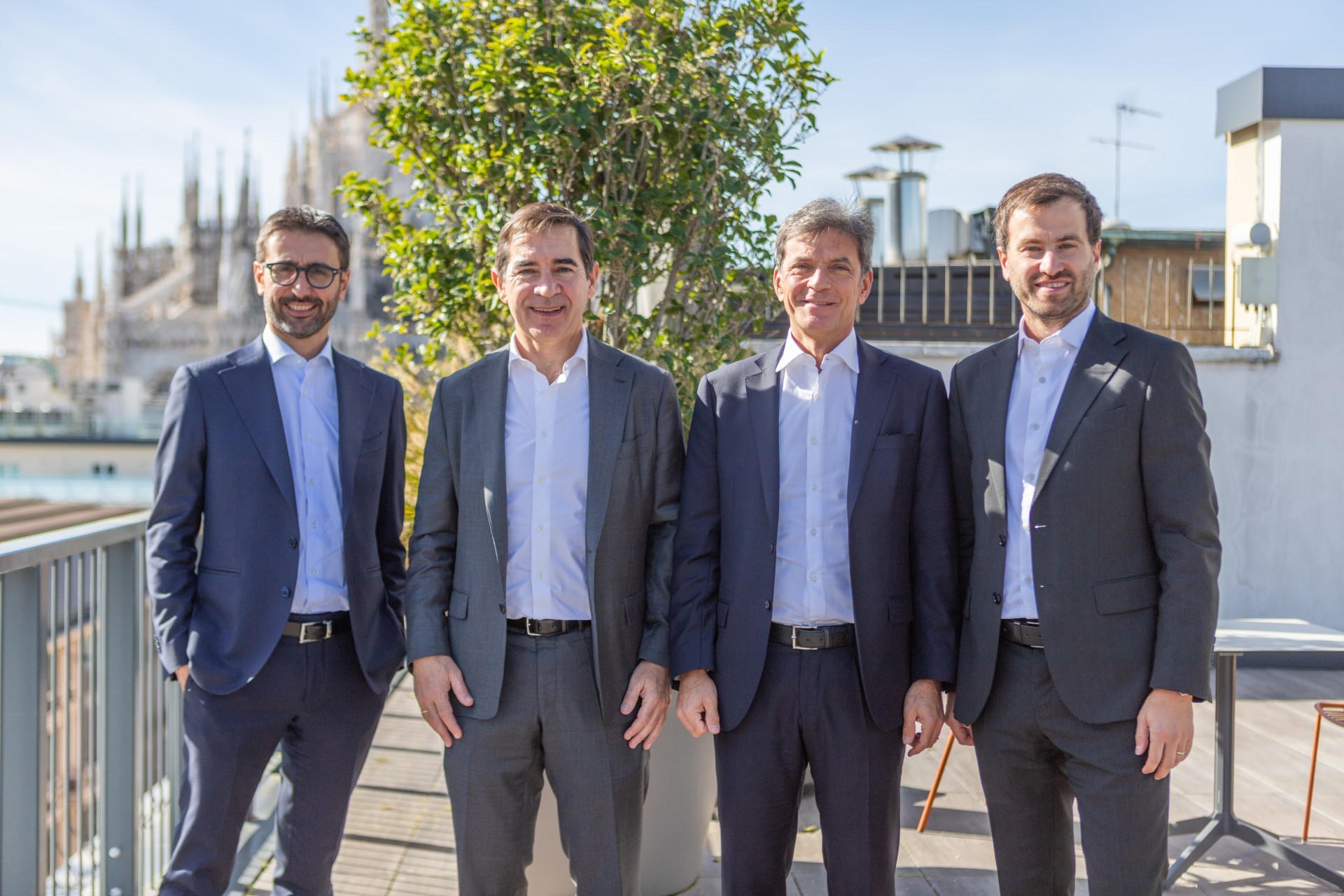
Así es Family Enterprise Partners, el 'family office' que asesora a grandes fortunas mexicanas
Daniel Cervantes y Rafael Alberca lideran una firma que presta servicios de asesoramiento y gobernanza a 35 familias de México, España y Centroamérica, con un patrimonio financiero de 1.500 millones de dólares. Leer
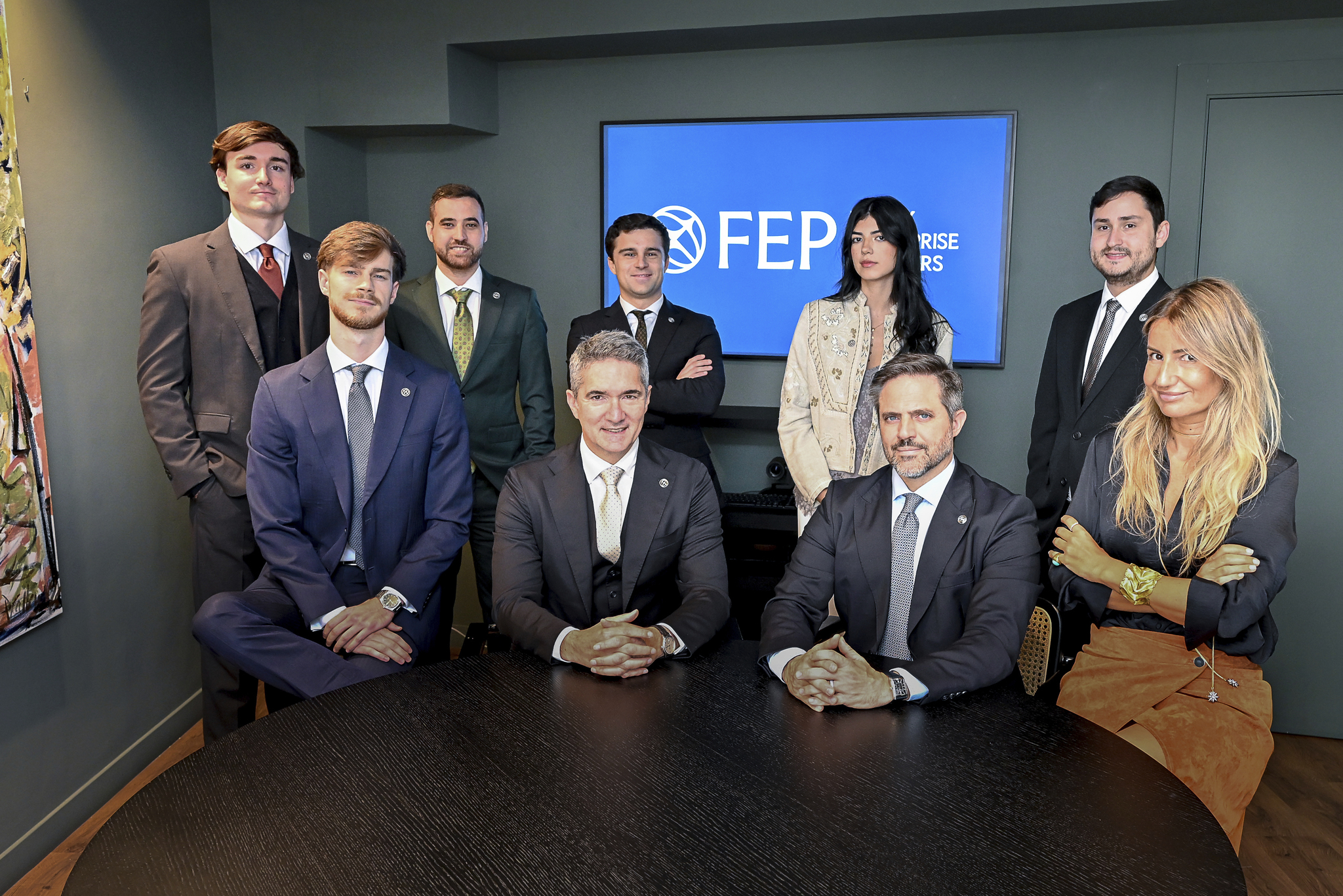
Daniel Cervantes and Rafael Alberca met in Colombia while setting up a family office for a prominent banking family. Their backgrounds complemented each other, and they quickly formed a strong working relationship. Alberca's career had always been in independent financial advisory, focusing on family offices. Cervantes, after working at Boston Consulting Group and JPMorgan in London, made a management buyout that turned him into an entrepreneur for four years.
Subsequently, he worked as a financial agent for Banco Santander, traveling throughout Mexico to develop the business and providing governance assistance to families. In 2015, Cervantes launched the Family Enterprise Council independently, an annual event for Mexican and Central American business families in private and confidential settings.
This event aimed to foster intergenerational exchange and knowledge sharing on family governance, succession, and experiences. In 2020, Cervantes and Alberca decided to turn the concept of the Family Enterprise Council into a multifamily office called Family Enterprise Partners (FEP). They are now advising 35 family groups and managing $1.5 billion in financial capital.
All their advisory services are provided from Madrid, as they believe it is an interesting hub due to the talent and cultural-economic connections. However, FEP manages the most patrimony through Miami. As a result, Cervantes moved to Miami in 2024. FEP believes that the client relationship is the key to their success. They incorporate engineers for data analysis and believe that their seniority and ability to connect with clients' needs are the differentiating factors.
Although they do not set quantitative goals for the number of families, their growth objective is to double the assets under advisory by 2030. Their four working areas are designed to act on preserving legacies across generations: FEP Wealth, FEP Governance, FEP Insurance, and FEP Capital. They emphasize preserving wealth rather than generating it, helping families organize their assets through the tools they provide.
The global view of that wealth often becomes more valuable than portfolio performance. However, preserving wealth requires generating it and taking risks, especially for future generations. That's why they launched the FEP Institute, a training project to prepare the next generation for intergenerational legacy building. They do not consider themselves financial advisors but rather patrimony partners, emotionally and financially involved with the families.
FEP invests in various assets, implementing efficient cost and benchmark index portfolios in private markets and choosing seven to eight firms with sufficient capacity and history, along with evergreen funds. In a generational patrimony, it is not logical to plan a private equity program ten years in advance. They focus on decades and generations.
Most of the Mexican families they work with found entrepreneurial projects in Spain and have invested in Spanish companies. Their most important patrimony is the family legacy, and families are increasingly spending time or staying in Spain during their seasonal vacations. This makes FEP a bridge between Mexico and Spain for these families.
The office is located at C/ Recoletos, 19, 2nd, Madrid, and was established in 2020. The main stakeholders are Daniel Cervantes and Rafael Alberca.
Written by urgent.news from Expansion ES's reporting — not their text. Machine-written — may contain errors; check the original before relying on it.