A new startup wants to fix the military’s working-dog shortage with cloning and gene editing
Warhound says gene editing and cloning can fix why military dog candidates fail, but questions about genes and oversight remain.
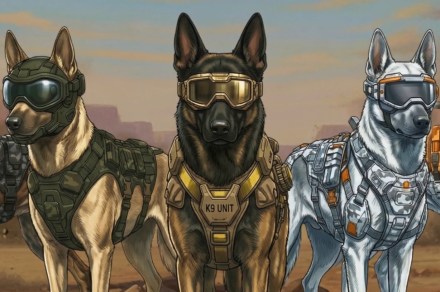
A new startup aims to address the shortage of military working dogs by employing cloning and gene editing techniques. Warhound, founded by Ben Lamm and Palmer Luckey, has secured $200 million in funding and plans to clone and edit the genes of top-performing working dogs, particularly Belgian Malinois, Labradors, and shepherds. The company's process involves collecting cells from selected dogs, editing their genes, and then cloning the cells into new dogs. Protective gear and sensors provided by Anduril will accompany these dogs in the field.
Warhound's primary objectives include enhancing the health and performance of working dogs, with a focus on reducing inherited issues such as hip dysplasia, cancer, and poor eyesight. The startup also aims to improve their sensory abilities, particularly speed and smell. While the specific genes targeted for editing remain undisclosed, the goal is to produce healthier and more capable working dogs.
The first litter of cloned working dogs is expected in early 2027, with handlers receiving protective vests, goggles, and sensors from Anduril. Sequoia and the CIA-backed firm In-Q-Tel have invested in the startup, valuing it at $1.2 billion. American Humane Society will oversee the training and placement of retired working dogs, ensuring they find suitable homes.
Rewritten by urgent.news; may contain errors — check the original.