Tiny ‘solar flares’ recreated in the lab may explain corona mystery
An experiment has produced nanoflares similar to those seen on the sun, and shown that they can help explain why the outer layers of the solar atmosphere are so hot
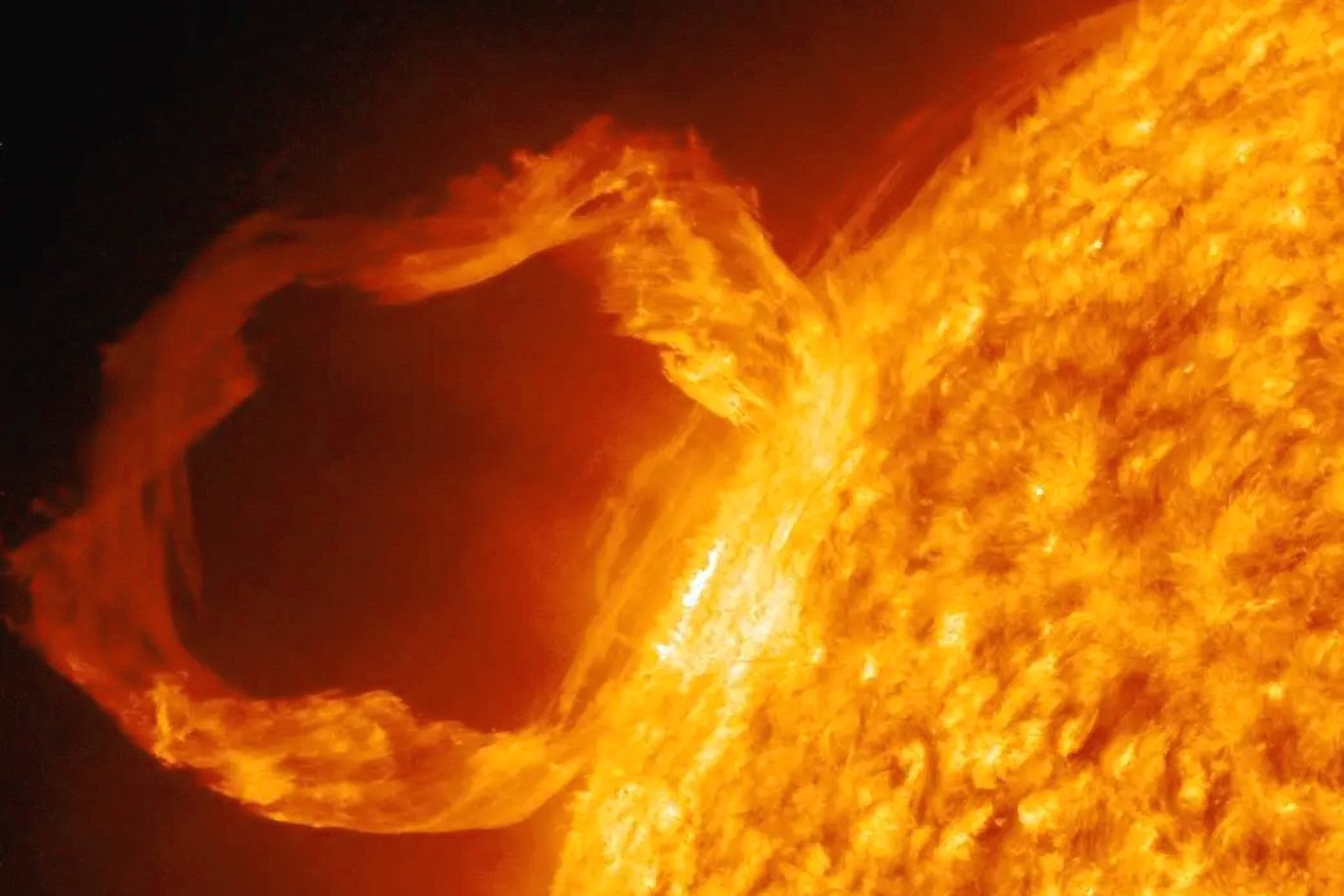
Researchers have recreated a tiny, intense burst of electromagnetic radiation, dubbed "solar nanoflares," in a laboratory setting. These nanoflares could explain why the sun's outer atmosphere, the corona, is heated to millions of degrees, far hotter than the surface. For decades, scientists have puzzled over this mystery. Wei Sun of the China Institute of Atomic Energy and his team used powerful lasers to generate a small patch of plasma, mimicking conditions on the sun.
They observed that when magnetic fields in the plasma reorganized, nanoflares occurred, significantly raising the plasma's temperature. This phenomenon, instability leading to nanoflare production, could potentially happen on the sun, as evidenced by the experimental setup's parameters mirroring those of certain areas of the sun's corona.
While the experiment offers insight, it does not definitively solve the corona's heating puzzle, as other factors, like certain plasma waves, may also play a role. The researchers plan to refine their experiment to better match the sun's conditions and incorporate more precise diagnostic techniques.
Written by urgent.news from New Scientist's reporting — not their text. Machine-written — may contain errors; check the original before relying on it.