Starbucks China rolls out buy-before-seating rule after reversing open-door policy in US
Starbucks China says it will roll out its “purchase before seating” rule nationwide starting Thursday, with corresponding signs put in stores, following a similar policy it introduced at its North America stores last year. The Seattle-based coffee chain would prioritise helping visitors in need, such as pregnant women and people with limited mobility, and would continue to foster its stores as…
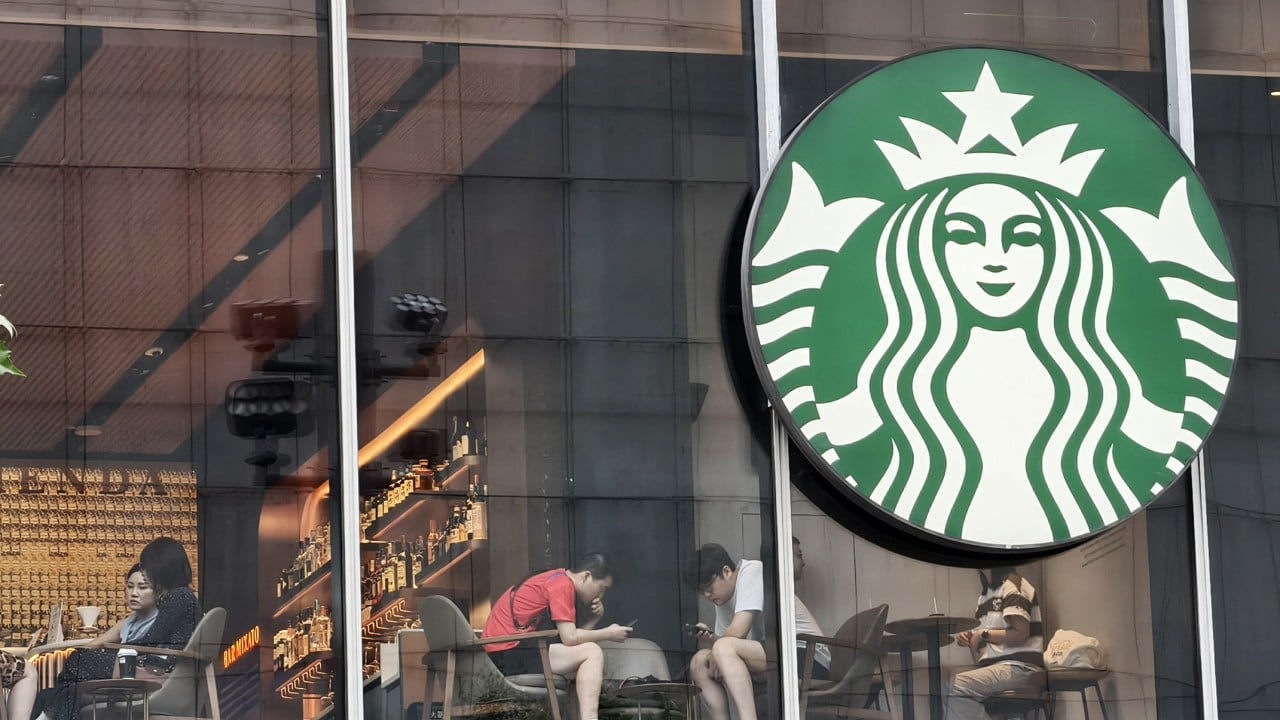
Starbucks China will implement a nationwide "purchase before seating" rule starting Thursday, following its introduction at stores in North America last year. The policy aims to prioritize those in need, like pregnant women and people with limited mobility, while maintaining the stores as "third places." This decision has generated significant discussion online, with some customers praising the rule's common sense and others questioning why it took so long to introduce it in China.
The Chinese coffee market has been growing rapidly, with over 550 million coffee drinkers, according to data from Canyin88. To address this competitive landscape, Starbucks China plans to invest over 300 million yuan in upgrading its store facilities and experiences in the 2027 financial year. The company recently formed a joint venture with Chinese private equity firm Boyu Capital in April, giving it a 60% stake in the venture.
Despite the new seating rule, Starbucks China still faces stiff competition, as domestic chain Luckin Coffee operates more than 36,000 stores in the country. Industry experts suggest that while the seating threshold increase is an improvement, Starbucks should pair this with stronger products, in-store experiences, and unique value propositions to stay competitive.
In the third quarter of the 2026 financial year, Starbucks' international segment experienced a 34% year-on-year revenue decline to US$1.3 billion, primarily due to the conversion of its China retail business into a joint venture.
Written by urgent.news from SCMP Business's reporting — not their text. Machine-written — may contain errors; check the original before relying on it.