Postcards from Sant’Agata: A visit to the birthplace of Lamborghini
Sant’Agata Bolognese is a relatively small town between Bologna and Modena in Italy’s “Motor Valley”. Yet it is responsible for some of the world’s most ostentatious and recognisable cars ever made. This, after all, is where Ferruccio Lamborghini established his car company in 1963 and where, more than six decades later, Lamborghini continues to build its vehicles. There is something slightly…
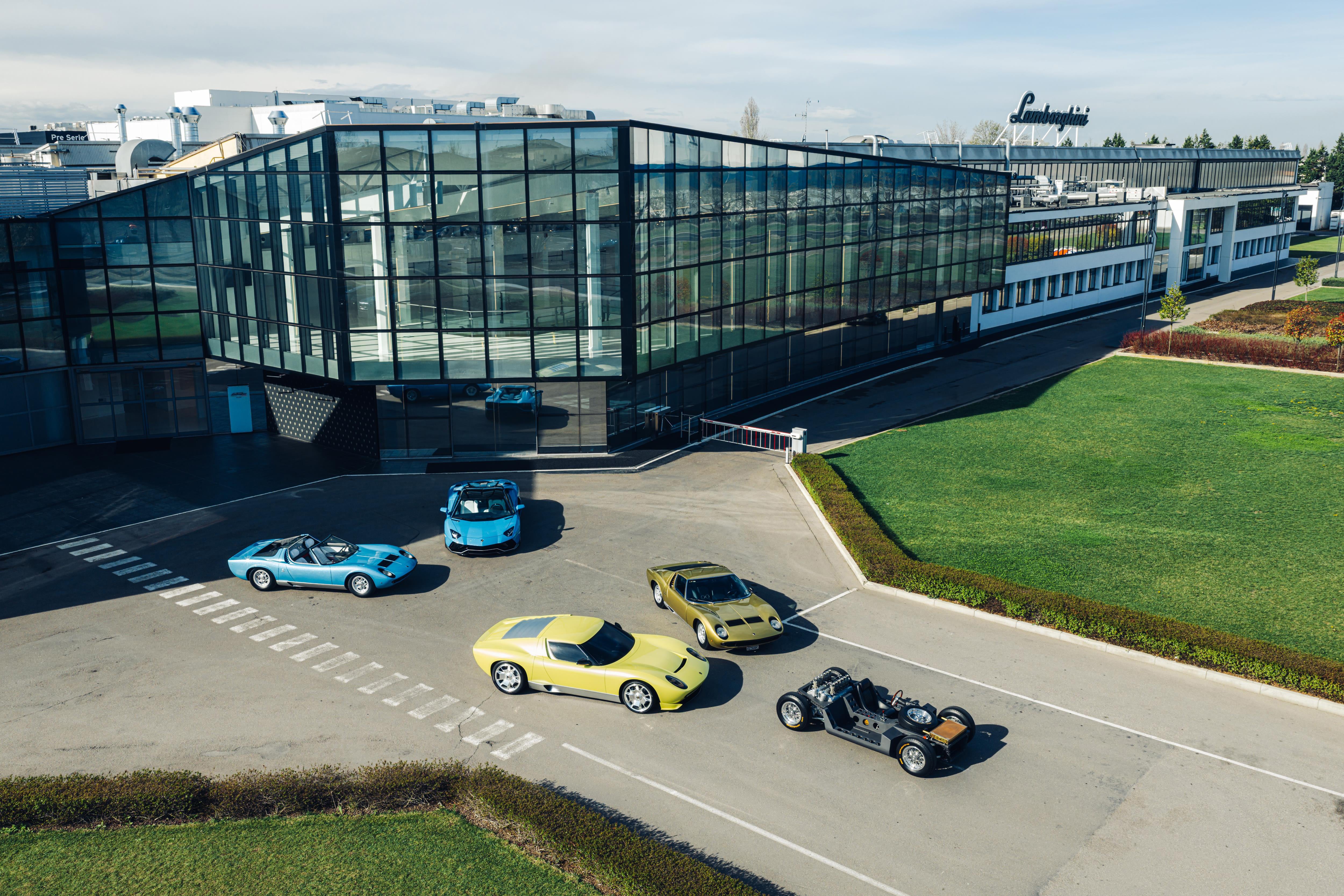
Sant'Agata Bolognese is a small town situated between Bologna and Modena in Italy's "Motor Valley". It is the birthplace of Lamborghini, where Ferruccio Lamborghini established his car company in 1963. Despite its modest appearance, this town is responsible for some of the world's most iconic and extravagant cars.
The story begins with tractors, as Ferruccio Lamborghini found success manufacturing agricultural machinery in the 1950s, including affordable tractors using salvaged materials from World War II. The 350 GTV concept appeared in 1963, followed by the production 350 GT and the Jarama in 1970.
The museum showcases a carefully curated collection, highlighting the company's journey from tractors to grand touring cars. The 350 GT, with its conservative design, marks the beginning of Lamborghini's ambition to challenge Italy's established sports car manufacturers. Among the exhibits, the Miura stands out as the most beautiful car ever created by Lamborghini.
Its proportions remain almost perfect sixty years after its debut and its elegance is striking. The museum is celebrating the Miura's 60th anniversary, and a special highlight is the Miura Roadster, a one-off created by Bertone in 1968.
The museum also displays the LM002, an off-roader that looks out of place among Lamborghini's sleek supercars. Developed from previous military-style vehicles, only about 300 were ever produced. This car shows a departure from Lamborghini's typical supercars and is one of the most interesting in the museum.
The factory tour provides a glimpse into how Lamborghini's vehicles come together. Humans still play a prominent role, with partially assembled cars moving between stations where small teams add components like wiring, piping, and interior pieces. Despite strict deadlines, the operation is methodical and surprisingly calm.
The most memorable moment comes when the powertrain and chassis finally meet, resulting in the creation of a car. This process symbolizes the transition from components to a fully functional vehicle. The museum and factory are connected, with Lamborghini still producing its V12 flagship near the location of the Countach assembly line. The Revuelto is the latest model to bear this distinction.
Lamborghini offers extensive customization options, allowing customers to choose paint colors, leathers, stitching, trims, and color combinations. Their phygital Ad Personam personalization programme further expands these choices, creating unique vehicles even if two cars share similar configurations.
The upper floor of the museum features Lamborghini's most famous models, including the Countach, Murcielago, Gallardo, Aventador, and Huracan. These cars represent the brand's consistently daring design philosophy, which remains remarkably similar across generations. Despite evolving design language, the intention remains unchanged: a Lamborghini should inspire excitement before anyone even turns the engine on.
Written by urgent.news from The National UAE's reporting — not their text. Machine-written — may contain errors; check the original before relying on it.
Also reported by 1 other outlet
- Postcards from Sant’Agata: A visit to the birthplace of Lamborghini thenationalnews.com