How Companies Are Using NVIDIA DSX to Break the Power Bottleneck
Companies around the world are building on the NVIDIA DSX AI Factory Platform to plan, simulate and run the grid and the AI factory as one system, from the substation to the rack. Their adoption of the platform responds to an acute problem. Power is now the biggest bottleneck in infrastructure. More than $300 billion […]
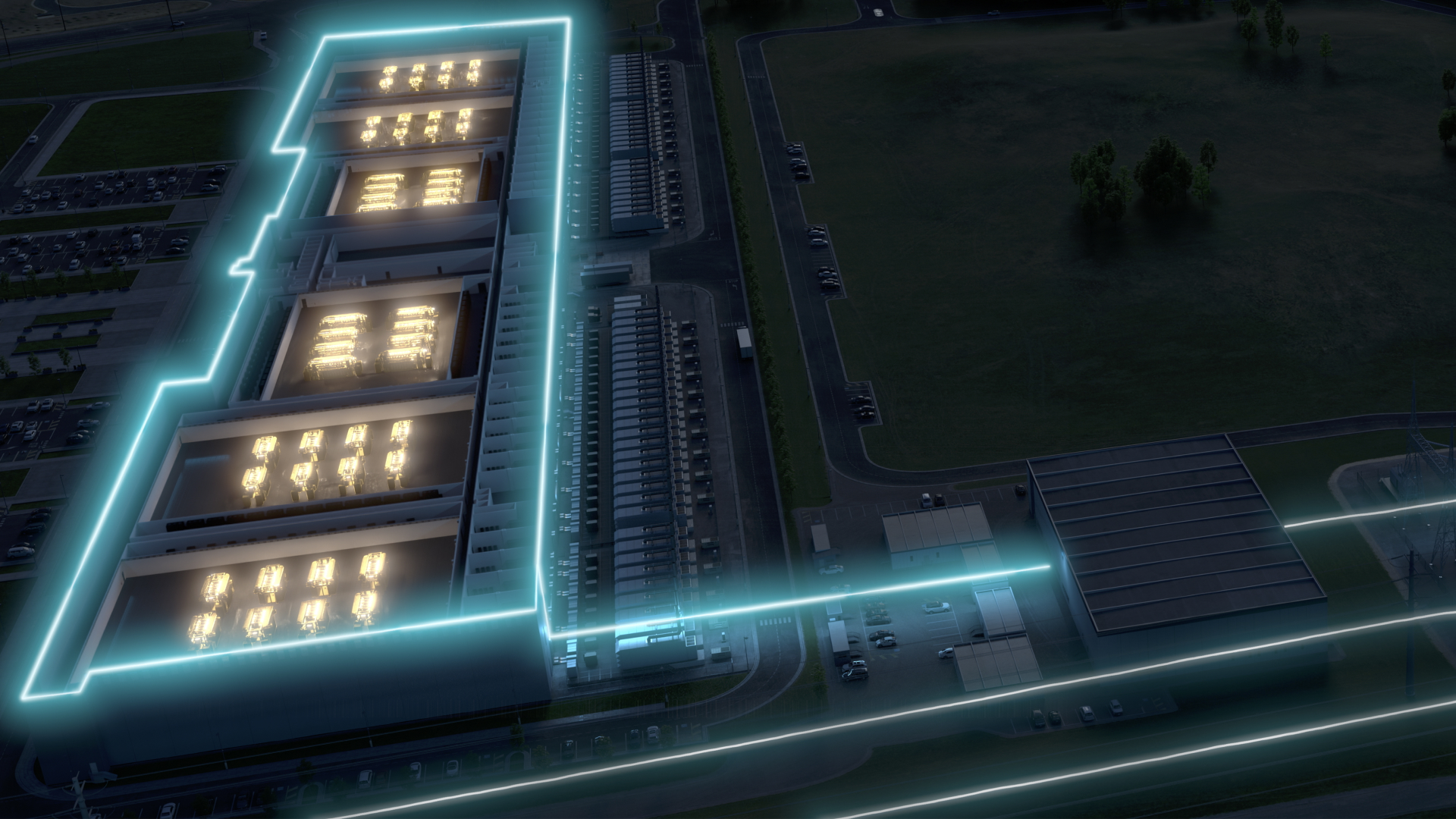
Companies worldwide are harnessing NVIDIA's DSX AI Factory Platform to tackle the grid and AI factory power bottleneck, addressing equipment backlogs and project delays. The platform unifies grid, facility, and compute systems, enabling simulation and operation as a single unit. By bringing siloed systems together, NVIDIA DSX addresses delays, risk, and stranded capacity.
NVIDIA DSX Sim and SimReady assets from energy manufacturers allow engineers to validate grid components before construction. NVIDIA DSX Flex aligns AI factory demand with grid and onsite generation, transforming AI factories into flexible grid assets. NVIDIA DSX MaxLPS and DSX Exchange optimize compute usage and share signals across systems.
GE Vernova's grid-to-facility expertise complements NVIDIA DSX, maximizing compute and token output, sustainability, and grid reliability. Hitachi Energy's battery energy storage system qualifies as NVIDIA DSX Ready, enabling customers to assess power infrastructure for resilient AI factories. Schneider Electric, AVEVA, and ETAP advance NVIDIA DSX with validated power and cooling reference architectures and an NVIDIA Omniverse-powered AI factory digital twin.
Siemens Energy expands its collaboration with NVIDIA to develop a resilient, scalable, and grid-aware power infrastructure design. Siemens also explores NVIDIA technologies like RAPIDS, Metropolis, and Isaac Sim for digital twin platforms. Phaidra integrates DSX Flex, DSX Max-Q, and DSX Exchange into self-learning agents to optimize cooling and power allocation, delivering up to 10% more compute within the same power envelope.
Emerald AI integrates Conductor into DSX Flex to unlock grid capacity, potentially unlocking up to 100 gigawatts on the U.S. grid. Learn more from NVIDIA and energy leaders at GTC Berlin.
Written by urgent.news from NVIDIA Blog's reporting — not their text. Machine-written — may contain errors; check the original before relying on it.