Economic enabler for Malaysian Indians – a blueprint or bandage?
As Malaysia’s Indian population dwindles, a minority community is fast becoming adrift from the mainstream of national development.
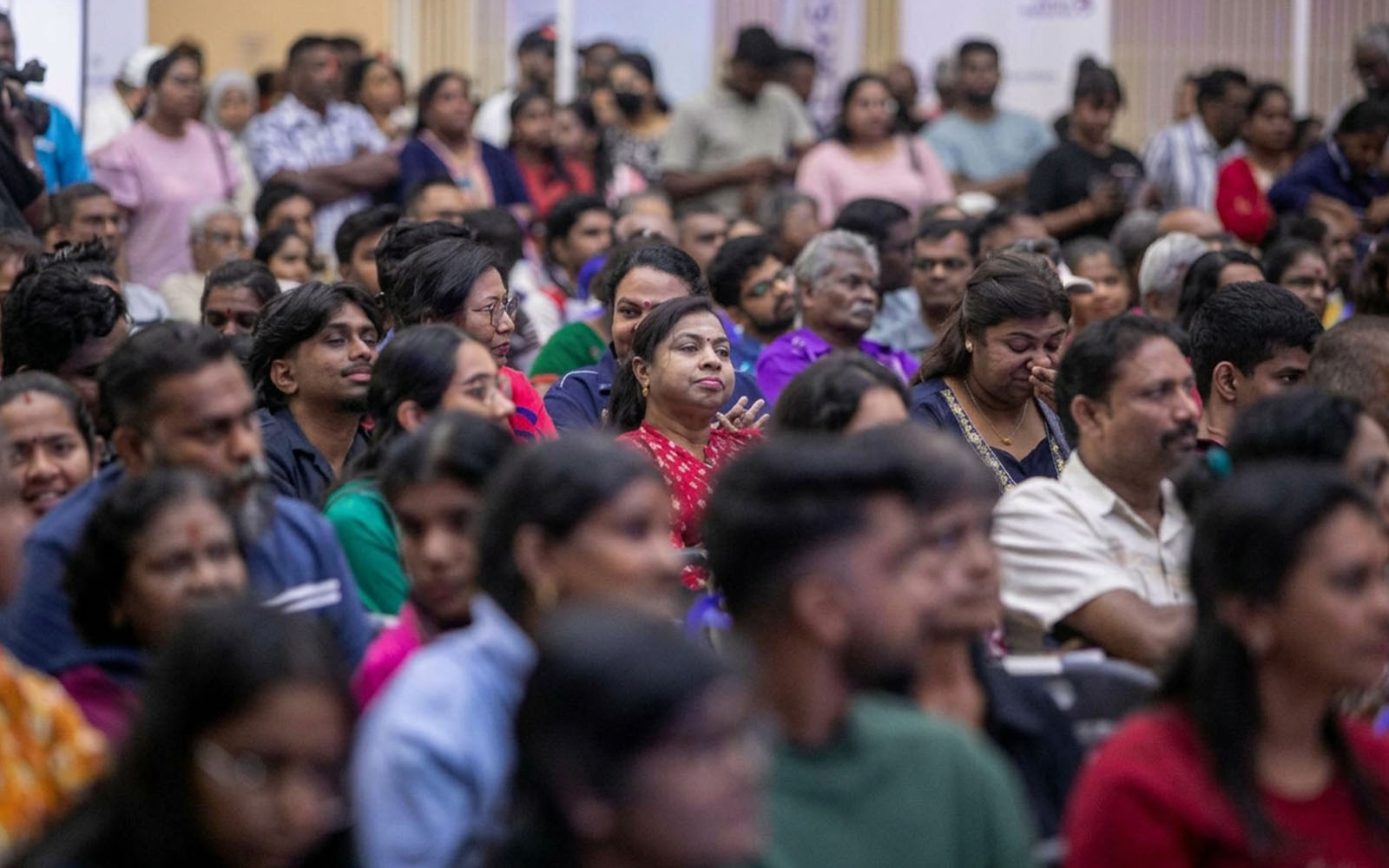
The Indian community in Malaysia is facing a demographic crisis as their share of the population has shrunk from 7% to 6.5% over the past decade. With roughly 5.8% of the total national population, there are about 2.1 million ethnic Indians, who are increasingly becoming adrift from the mainstream of national development. A significant portion of this community, approximately 38.7%, falls into the Bottom 40% (B40) income bracket, which translates to 227,000 households.
Alarmingly, 10% of these B40 families, around 22,000 households, live on less than RM2,000 a month, experiencing extreme poverty.
While the 2027 budget proposes various policy interventions to address these economic imbalances, such as equity in asset ownership, economic empowerment, and a significant allocation of RM150 million for the Indian Community Entrepreneur Development Scheme, these measures must be implemented effectively. The shrinking population footprint cannot be used as a political excuse to diminish national commitment. Instead, it necessitates a paradigm shift from generic, lazy handouts to high-impact policy interventions.
To tackle the wealth gap, outdated asset ownership policies should be dismantled through strict quotas and dedicated housing funds, ensuring B40 Indian households have access to affordable housing. Additionally, a radical overhaul of technical and vocational education and training (TVET) is crucial to bridge the skills gap and prepare the workforce for the demands of the future job market.
The 2027 budget includes a boost in the Malaysian Indian Transformation Unit (Mitra) budget to RM150 million, specifically focused on channeling youths into high-skilled industrial pipelines. Furthermore, the budget allocates RM50 million for essential repairs, rewiring, and basic amenities for Tamil national-type primary schools, many of which lack basic ICT laboratories.
The success of these policies hinges on structural reforms within Mitra, which must be stripped of bureaucracy and given absolute, transparent, and centralised power over data, funding, and execution. This reform is essential to bypass bureaucratic gridlock and ensure timely delivery of aid, scholarships, and micro-business grants.
Ultimately, the future of Malaysia will be judged by how it treats its most vulnerable, and the Indian community must take proactive steps to dismantle internal fatalism to transform the demographic challenge into a reservoir of human capital.
Written by urgent.news from Free Malaysia Today's reporting — not their text. Machine-written — may contain errors; check the original before relying on it.
Also reported by 1 other outlet
- Economic enabler for Malaysian Indians – a blueprint or bandage? freemalaysiatoday.com