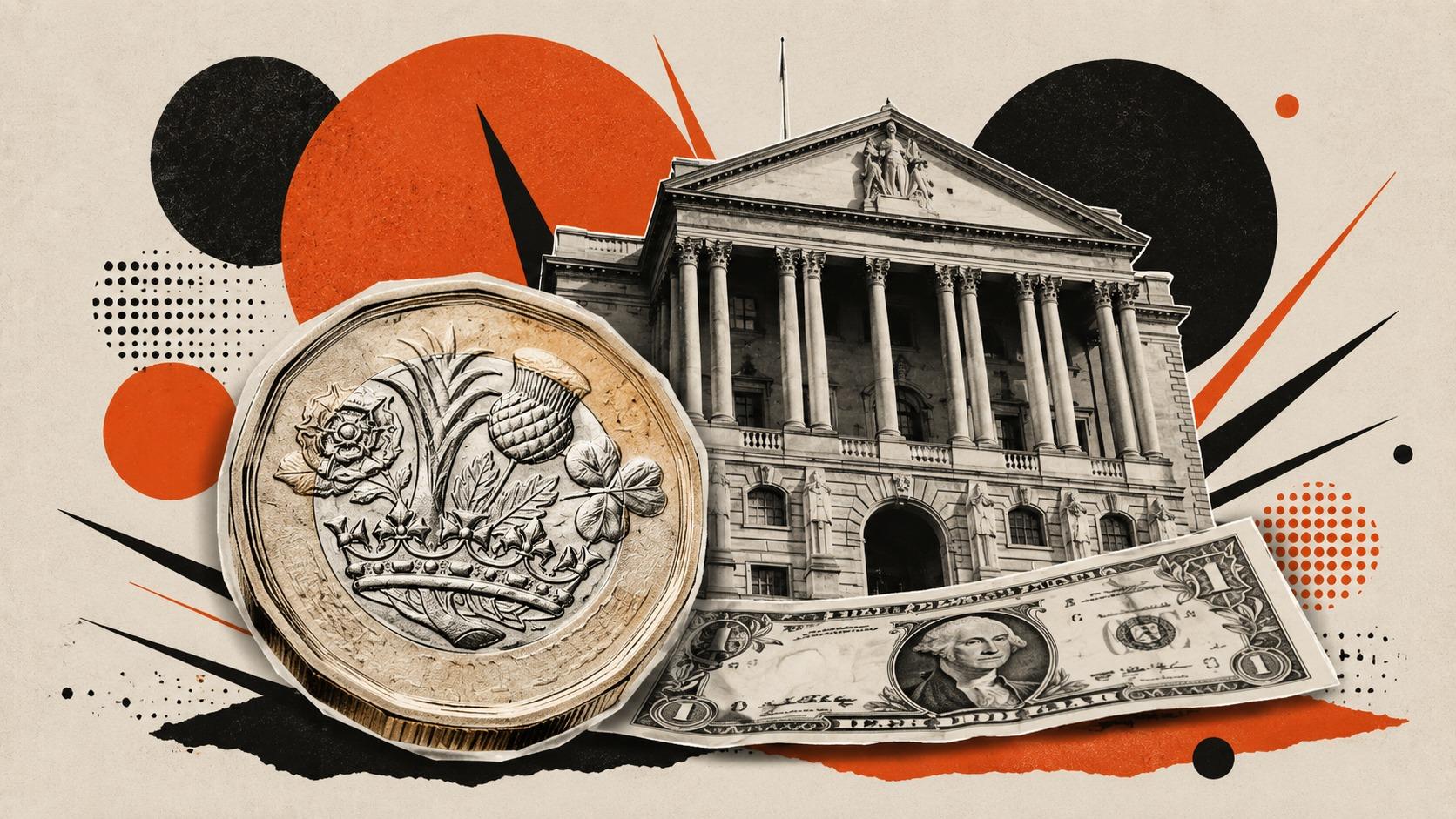
China targets offshore trusts in widening push for taxes
Thursday marked the deadline for Chinese taxpayers to make outstanding tax payments tied to offshore trusts as the government chases new funding sources to help ease fiscal strains. Investors face a 20 per cent tax based on the initial value of assets placed in trusts and a 20 per cent tax on distributions under a policy coming into force on Friday. Authorities backdated the taxes to January 1,…
Beijing is set to collect a portion of the vast fortunes held overseas by China's wealthy elite, who have until October 22 to pay new taxes. The rapid economic growth of China in recent years has produced a large number of super-rich individuals, many of whom keep their wealth in offshore trusts. Regulations announced in July impose a 20% tax on dividends and interest earned from these offshore trusts, with a 90-day transition period concluding on October 22.
The law has spurred a rush by the country's wealthiest individuals and families to organize their financial affairs. This comes at a challenging time for the Chinese economy, as local governments struggling with cash shortages due to a long-standing property crisis rely less on land sales for revenue. President Xi Jinping has previously claimed to have addressed major issues faced by China and the Communist Party, such as corruption and wealth inequality.
However, estimates suggest that China's offshore wealth amounts to hundreds of billions of dollars, which Beijing is keen to utilize. China's fiscal situation will ensure the enforcement of the new overseas taxes, according to Dan Wang, a director on Eurasia Group's China team. The measures may lead to an increase in personal income tax as a revenue source for Beijing in the future.
In 2025, Hong Kong surpassed Switzerland to become the world's leading destination for cross-border capital, with $2.9 trillion in assets managed by the city, primarily driven by mainland China investments. The new tax measures have raised questions about which assets are subject to the 20% levy. Individuals who have acquired foreign nationality or residency but whose economic interests remain tied to China may still be subject to the rules.
This indicates that obtaining foreign residency alone does not exempt an individual from China's worldwide taxation regime. Some analysts view the new tax policy as a means to retain talent in China, as it serves to keep capital within the country's borders for funding technological innovation.
Written by urgent.news from Straits Times Business's reporting — not their text. Machine-written — may contain errors; check the original before relying on it.
This story
This is one outlet's version. Read the fullest account.