British Pound attempts to consolidate above 1.3400 amid US Dollar’s weakness
The British Pound (GBP) keeps heading higher against a weaker US Dollar (USD) on Thursday, as markets brace for Federal Reserve (Fed) policy next week, while in the UK the conditions are set for a Bank of England (BoE) rate hike in November.
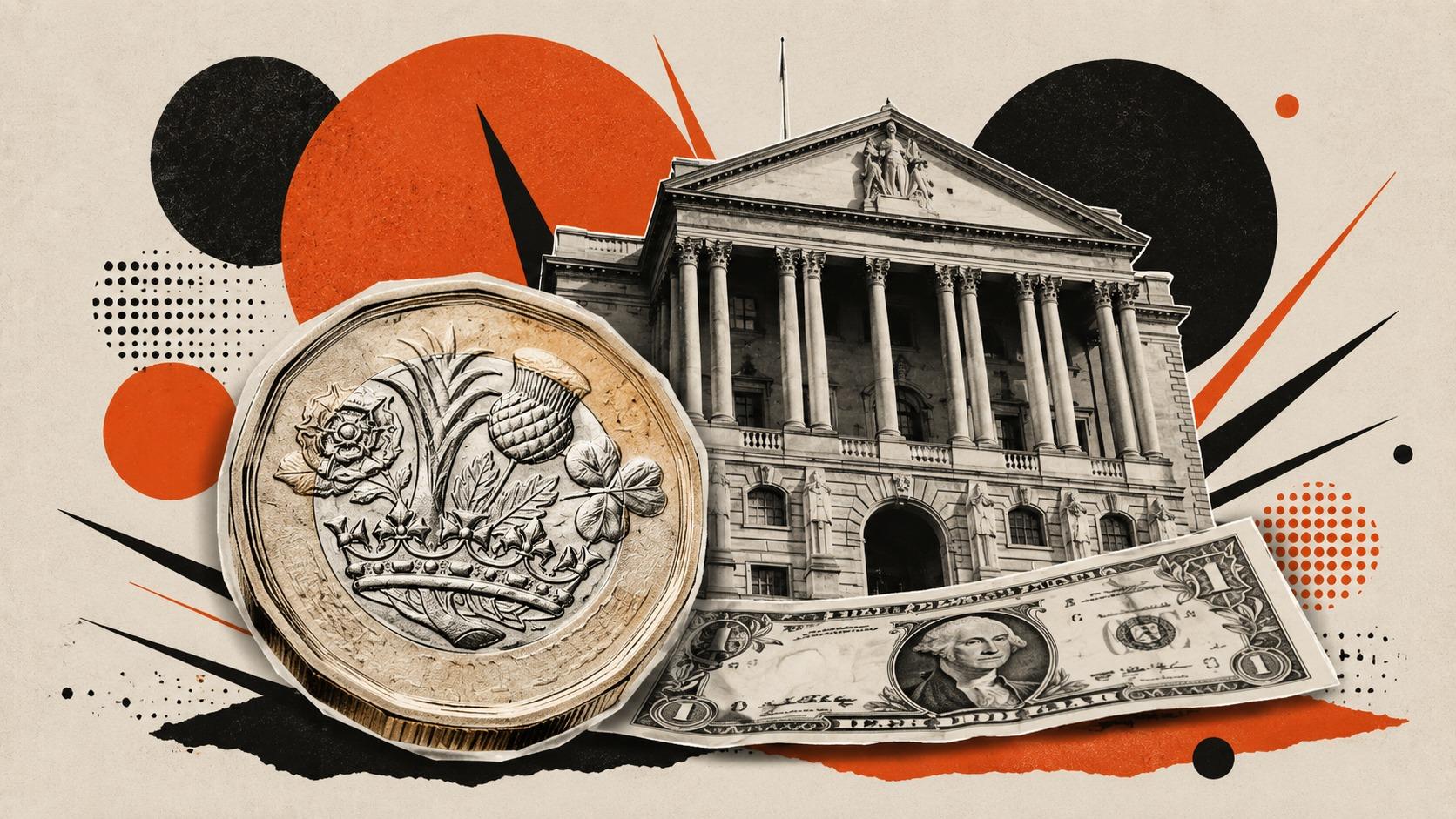
The British Pound (GBP) has been on an upward trend against a weaker US Dollar (USD) as markets anticipate the Federal Reserve's (Fed) upcoming policy announcement. Simultaneously, the UK is poised for a Bank of England (BoE) rate hike in November. This has led to the GBP/USD pair trading at its one-month high just above 1.3400, marking a 1.4% increase over the past two weeks.
UK data released on Wednesday highlighted that high energy prices are fueling consumer inflation, increasing pressure on the BoE to tighten borrowing costs. Recent UK Gross Domestic Product (GDP) data showed continued economic growth, facilitating the decision-making process for the central bank's policymakers at the November 5 meeting.
Later, BoE Governor Andrew Bailey is set to discuss central bank independence at the Official Monetary and Financial Institutions Forum (OMFIF), potentially offering further insights into the central bank's future monetary policy meeting. Meanwhile, the US Dollar (USD) has been struggling due to lower US Treasury yields, as investors believe the Fed is unlikely to raise interest rates at next week's meeting and consider the extent of the tightening cycle following dovish remarks from Fed officials.
Fed Chair Jerome Powell recently expressed caution, declining to predict the outcomes of the October and December meetings while other Government Board members asked for additional time to evaluate the repercussions of the September rate hike before tightening lending further. Analysts at ING maintain a bullish outlook on the Pound, stating that "Greater market confidence in a Bank of England tightening cycle – we look for 25 basis points hikes in February and November – makes sterling a high-carry European currency."
Central banks' primary objective is to maintain price stability in their respective regions. Economies are frequently confronted with inflation or deflation, as prices for goods and services fluctuate. The central bank's responsibility is to regulate demand by adjusting its policy rate. For the world's major central banks, such as the US Federal Reserve (Fed), the European Central Bank (ECB), and the Bank of England (BoE), the goal is to keep inflation near 2%.
Central banks primarily use the benchmark policy rate, also known as the interest rate, to influence inflation levels. Pre-announced meetings, the central bank releases a statement outlining its policy rate and explains the rationale behind any rate changes, whether increasing (hiking) or decreasing (cutting) it. Local banks subsequently adjust their savings and lending rates, making it either more challenging or more accessible for individuals to earn interest on their savings or for businesses to obtain loans and invest in their operations.
When the central bank significantly raises interest rates, it is referred to as monetary tightening. Conversely, lowering the benchmark rate is called monetary easing. Central banks are typically politically independent, with members undergoing various panels and hearings before joining the policy board. Each member usually has distinct views on how the central bank should manage inflation and formulate monetary policy.
Those advocating for a loose monetary policy, including low rates and cheap borrowing to stimulate economic growth while accepting slightly higher inflation, are known as 'doves.' Conversely, members favoring higher rates to encourage savings and maintain inflation at or below 2% are called 'hawks' and remain committed to achieving their target.
Generally, a chairman or president leads each meeting, must foster consensus among the doves and hawks, and ultimately makes the final decision if the vote is evenly split on whether to modify the current policy. The chairman delivers speeches that often broadcast live, communicating the current monetary stance and future outlook.
Central banks strive to implement monetary policy without causing abrupt fluctuations in rates, equities, or their currency. Members remain silent about their stance on monetary policy between pre-meeting events and the implementation of the new policy, known as the blackout period. Graduated in Communication Sciences from the Universidad del Pais Vasco and Universiteit van Amsterdam, Guillermo has been working as a financial news editor and copywriter for various Forex-related firms like FXStreet and Kantox.
Written by urgent.news from FXStreet's reporting — not their text. Machine-written — may contain errors; check the original before relying on it.