17 Russian trawlers logged mapping undersea cables connecting the US and Europe
An investigation claimed that Russian boats have been spending the past five years mapping and surveying undersea cables.
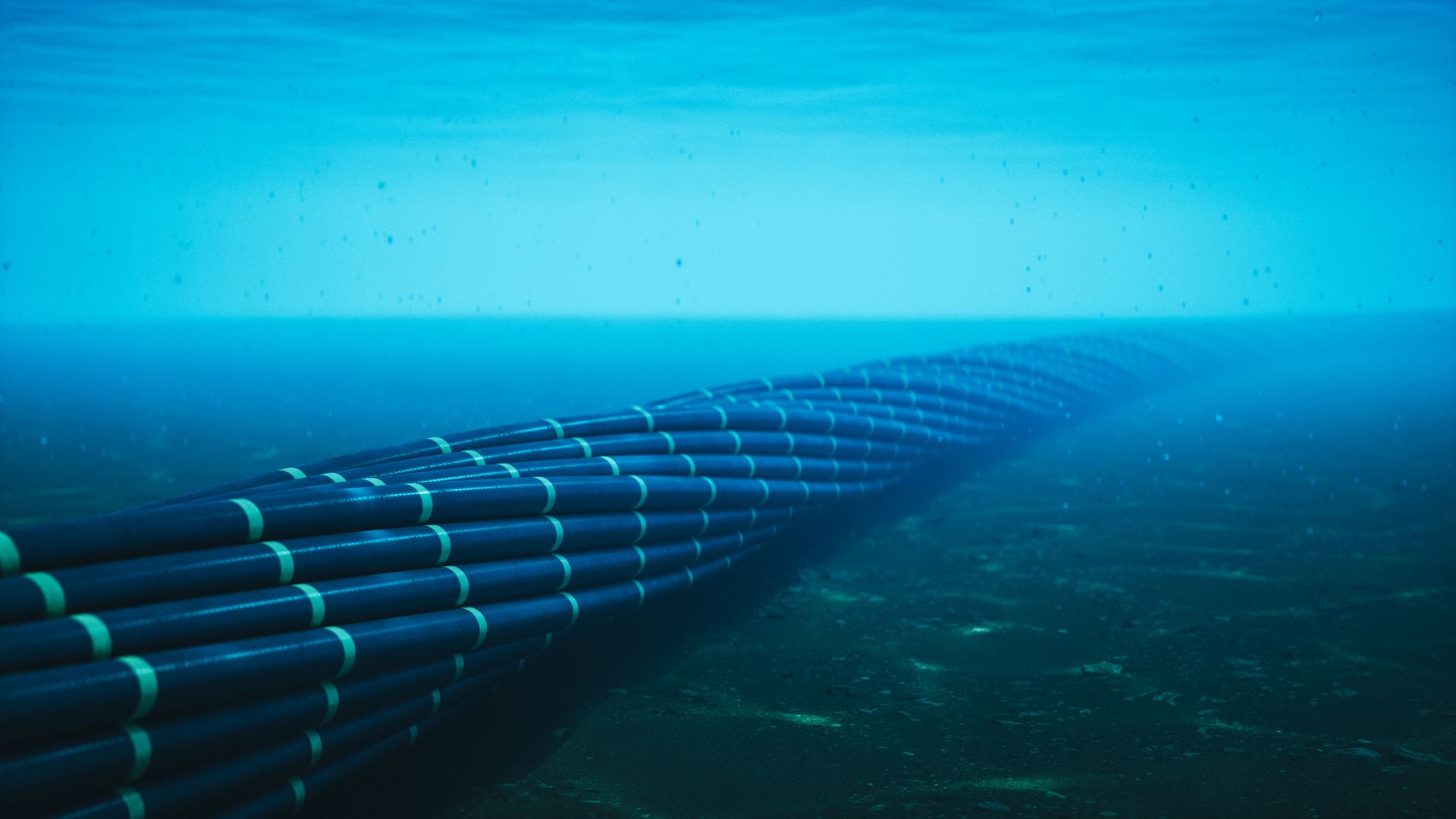
Russian trawlers are being employed to meticulously chart the pathways of crucial undersea cables that link the United States to Europe, according to a recent investigation. Over five hundred instances of these fishing vessels lingering near vital communication cables have been documented over a period of four and a half years, as revealed by The Telegraph.
This information was gathered through satellite tracking by Global Fishing Watch, which cross-references data with nautical charts to pinpoint the exact locations of these cables. While most undersea cables are generally marked on charts to avoid accidental collisions, the mapping of these cables requires precise positioning data.
Three specific examples of Russian trawlers suspected of surveying critical infrastructure were cited. One vessel followed the tracks of nine separate cables across the Atlantic, including the Atlantic Crossing 1 telecommunications cable and the decommissioned TAT-14 cable. Another ship lingered near the Hibernia Express cable and then followed the route of the Shefa-2 cable connecting Shetland to the Faroe Islands.
A third vessel partially followed the tracks of the Amitie and Grace Hopper undersea cables, which link the UK, France, and Spain to the U.S. These ships have been observed slowing down, sometimes traveling at speeds between two and three knots. It is believed that these large vessels could potentially house unmanned surface vehicles or remotely operated vehicles for detailed mapping.
A senior naval officer suggested that these ships could deploy tethered units at very low speeds. The NATO representative affirmed the awareness of Russian civilian fishing ships' activities and their potential to map with millimeter precision. Undersea cables are the backbone of the global interconnected world, carrying economic activity worth billions of dollars.
Disruptions to these cables can have significant economic impacts, and they are considered prime targets in potential conflicts between NATO and Russia. These trawlers are part of Russia's "gray-zone" warfare, where actions can be difficult to trace back to the Kremlin. There have been multiple incidents of undersea cables getting disrupted worldwide, including in 2024 when two cables connecting Finland to Germany and Estonia were severed.
Other nations, such as Taiwan and Iran, have also been suspected of cutting undersea cables. While undersea cables are considered critical infrastructure, their vast lengths and international waters make constant patrols challenging. Navies monitor these suspicious vessels, but their operation is generally not grounds for boarding, detention, or seizure.
Written by urgent.news from Tom's Hardware's reporting — not their text. Machine-written — may contain errors; check the original before relying on it.