When Party Colours Blind the Conscience: Who was protecting the girls of Obuasi?
There are moments when a country must pause and ask itself difficult questions. Not because the answers are comfortable, but because refusing to ask them may expose something deeply troubling about our values, our institutions and the people entrusted with public leadership.
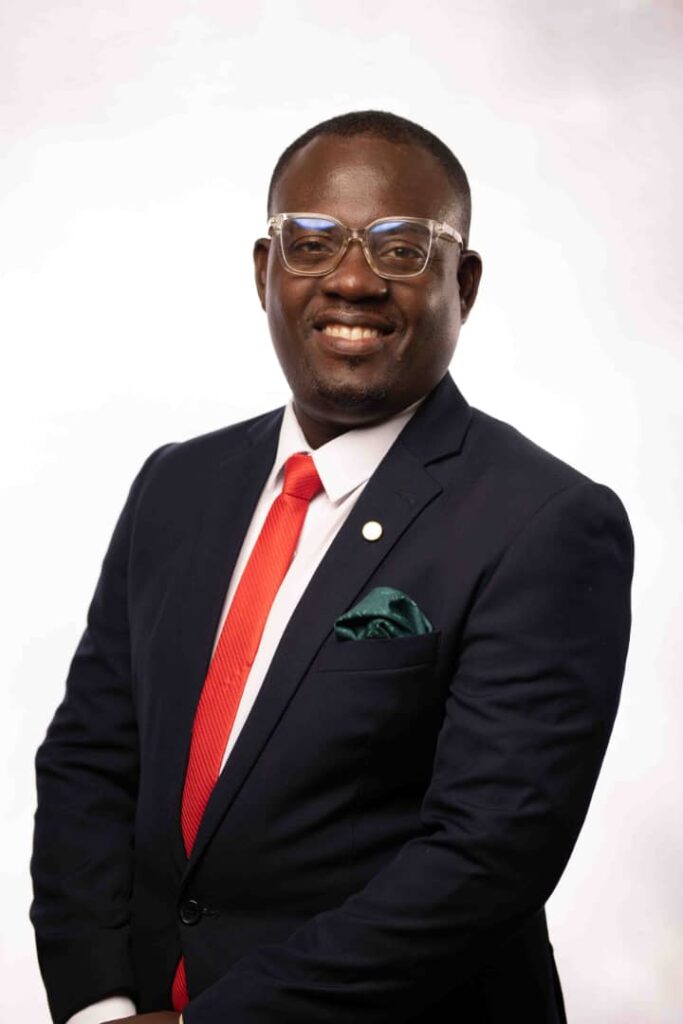
The allegations against the headmaster of Obuasi Senior High Technical School, located in Ghana's Ashanti Region, have brought to light critical questions about the safety and accountability of vulnerable students, the responsiveness of educational institutions, and the connection between political influence and public accountability.
Reports obtained by JoyNews and journalist Manasseh Azure Awuni have brought these allegations to the forefront of national discourse, detailing multiple incidents of sexual abuse involving female students and questioning the timeliness of responses to these concerns.
The disturbing aspect of this case is not only the allegations themselves, but also the reported delays in addressing the complaints and the political controversies that followed when the accused sought a higher position within his party. While the headmaster is entitled to the presumption of innocence, the delay in responding to the reported complaints and the political maneuvering that ensued raise fundamental questions about institutional responsibility and the protection of students' rights.
One of the most pressing questions that emerges from this case is: who knew what, when, and what actions were taken in response? According to JoyNews' investigation, concerns and petitions from students, parents, and teachers had reportedly reached school management, education officials, and other authorities before the matter gained widespread public attention. If these accounts are accurate, it brings into question whether these concerns were adequately escalated and investigated in a timely manner.
The National Association of Graduate Teachers has also alleged that 38 teachers were dismissed from the school after speaking out against the headmaster. This raises further concerns about the treatment of whistle-blowers and their subsequent professional circumstances. Moreover, it is troubling that the matter became a national controversy before clear and coordinated action could be taken by the institutions responsible for education, law enforcement, and child protection.
The importance of this case lies not only in addressing the specific allegations against the headmaster, but also in examining the broader issue of institutional responsibility and accountability. When an allegation of serious misconduct is reported, the primary duty of relevant authorities should be to establish the facts, protect potential victims, preserve evidence, and ensure the integrity of the process.
Waiting for public outrage before taking action undermines the system's ability to deter wrongdoing and protect the most vulnerable members of society.
Written by urgent.news from MyJoyOnline Ghana's reporting — not their text. Machine-written — may contain errors; check the original before relying on it.