Ukraine war: Russia wants to send first diesel shipment to the USA
The delivery follows a deal between Trump and Putin. The Russian head of state also offered to restore economic relations between the two countries.
Moscow, New York – Russia plans to send its first shipment of diesel to the United States on Thursday, according to Deputy Prime Minister Alexander Nowak. The vessel is expected to carry 40,000 tons, according to Nowak, who spoke to the newspaper "Wedomosti" on Wednesday. The agreement for the delivery was reportedly close to being finalized. Nowak did not specify the departure port.
Russia had lifted its self-imposed export ban on diesel on October 9th to address domestic shortages caused by Ukrainian drone attacks on refineries. The government in Moscow had halted the export to respond to the situation. "Further shipments will follow, of course," quoted the news agency RIA, stating that agreements between the two heads of state have been reached, and Russia will cover the United States' demand within its capabilities.
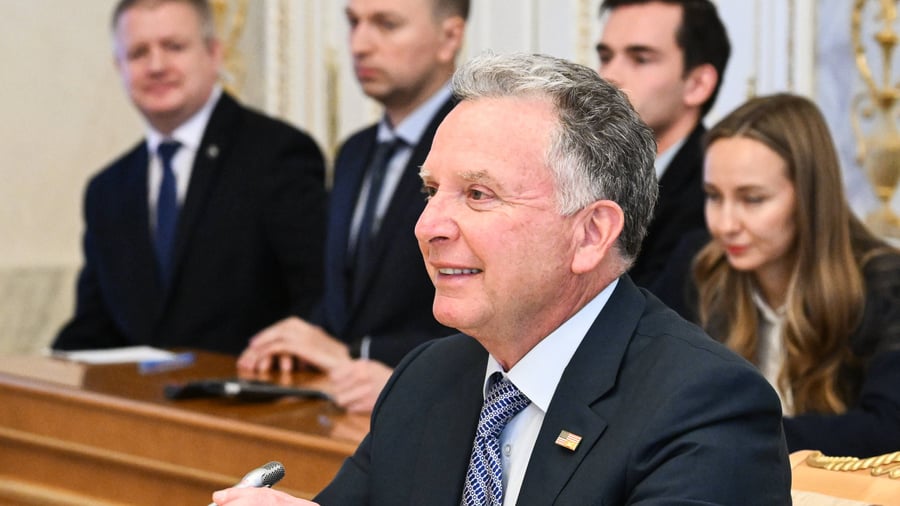
President Donald Trump had announced that Russia would immediately export 300,000 tons, followed by 500,000 tons in November and one million tons "immediately thereafter." On Wednesday, Putin received US Special Envoy Steve Witkoff in St. Petersburg. The agreement on diesel exports contributed to a significant deterioration of relations between the United States and Ukraine. Witkoff thanked Putin for lifting the export restrictions.
Written by urgent.news from Handelsblatt's reporting — not their text. Machine-written — may contain errors; check the original before relying on it.
This story
This is one outlet's version. Read the fullest account.
- Ukraine war: New hope for Kyiv? US negotiator travels to Russia handelsblatt.com