Made in Our Image
In the output of AI, we see ourselves refracted through a strange new form of intelligence. This issue is an attempt to make sense of those refractions.
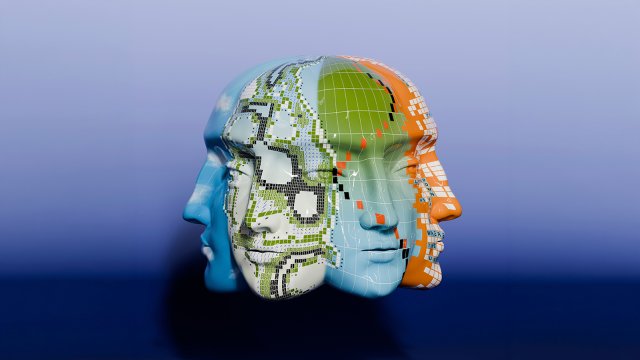
In the world of artificial intelligence, its origins can be traced back to humans. The language models we use today were trained using vast amounts of human-generated text, including books, blogs, science, myths, jokes, and lies. The use of AI is expected to touch upon various aspects of life, from the economy to warfare, but the full extent of its impact is yet to be determined.
While AI may enhance efficiency in life, it also prompts people to seek out genuine community with its inherent complexities. Initially, journalist Namir Khaliq anticipated China's AI video boom would be fueled by creativity, innovation, and technology spread. However, he discovered that AI is challenging the notion that relationships necessitate two conscious individuals.
AI psychosis represents a visible manifestation of a larger and more perplexing issue. A historian, Thomas Moynihan, takes a deep dive into the city's emerging avant-garde, where AI elements are seamlessly integrated amidst robot dog fights and Victorian graveyards. The fundamental question he seeks to answer is "How could AI fit into a world in which everyone has the ability to experience joy?"
Our views on AI consciousness may hinge more on self-interest than empirical evidence. René Descartes once drew a distinction between humans and machines, but AI is gradually eroding this boundary. Max Spero discusses the evolution of AI detection, the future of online trust, and why we are currently in a period of norm-building.
Jorge Luis Borges' Library of Babel, initially filled with content but lacking meaning, is not the first literary work to confront the challenges posed by our AI era. When examining AI's potential to exhibit consciousness, empathy, or curiosity, humans are ultimately responsible for charting their place in the world. The conversation becomes more nuanced when the debate is broken down into three key questions.
As AI assumes more responsibility in decision-making, it raises the question of what aspects of human judgment must be preserved. With the stakes of people's education and careers hanging in the balance, can society afford to replace human judgment with mere probability?
Written by urgent.news from Big Think's reporting — not their text. Machine-written — may contain errors; check the original before relying on it.