Children who later develop psychosis tend to have slightly smaller heads, study finds
Young people who met criteria for a psychotic disorder at 18 had slightly smaller heads from birth through age 15. But once height was taken into account, the difference largely disappeared, pointing to overall growth rather than brain-specific changes.
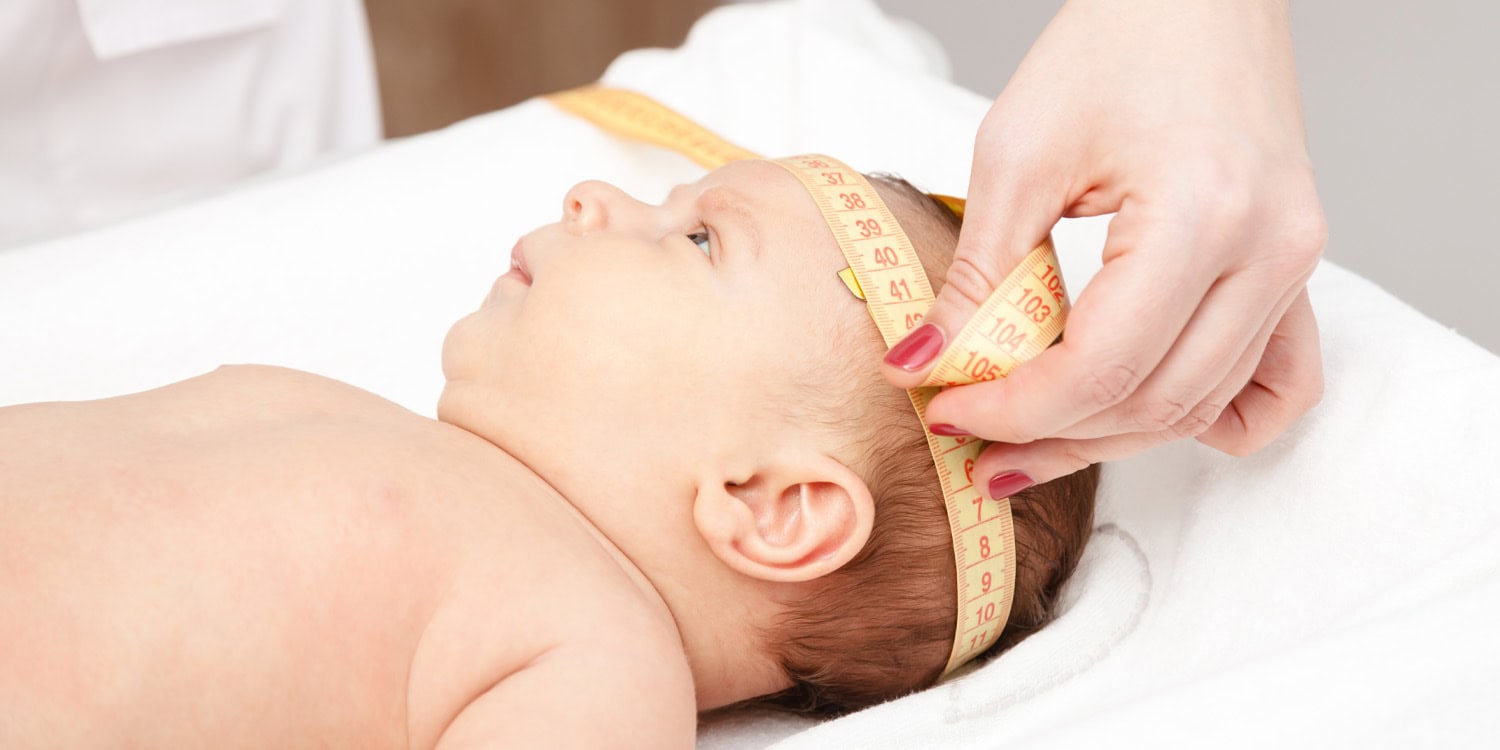
A recent study reveals that children who go on to develop psychotic disorders often exhibit slightly smaller heads during their early years. This research, published in Psychological Medicine, suggests that these head size discrepancies are primarily linked to overall body height, indicating a broader pattern of altered physical growth rather than a specific issue with brain expansion.
The study, conducted over a span of decades, provides insights into distinct developmental trajectories between males and females who experience milder psychotic symptoms. Psychosis, a mental health condition characterized by disconnection from reality, typically involves hallucinations and delusions and can significantly impair daily life.
While clinical psychotic disorders like schizophrenia usually manifest in late adolescence or early adulthood, the neurodevelopmental model of schizophrenia proposes that their underlying biological origins may begin during prenatal development and early childhood. Brain scans are costly and impractical for thousands of infants and children, leading scientists to rely on head circumference, a straightforward measurement taken by pediatricians, as an indirect measure of early brain size.
The study's motivation stemmed from the need to discover inexpensive and accessible biomarkers of psychosis risk, according to co-author Kate Merritt. By identifying individuals at higher risk of developing psychosis, preventative interventions could potentially be targeted towards those with the greatest risk. The research team, including lead author Sarah A. Ashley, leveraged data from the Avon Longitudinal Study of Parents and Children, which tracked children from birth to age 15 in Southwest England.
Analyzing a sample of 3,866 participants, the researchers identified 339 individuals (8.8 percent) with definite psychotic experiences and 62 individuals (1.6 percent) meeting the criteria for a psychotic disorder. The findings highlight the potential of head circumference as a simpler and cost-effective indicator of psychosis risk compared to more resource-intensive methods like MRI scans.
Written by urgent.news from PsyPost's reporting — not their text. Machine-written — may contain errors; check the original before relying on it.