Los microdramas quieren eclipsar a Hollywood
Las series con episodios verticales de dos minutos enganchan a los espectadores y son muy baratas de producir
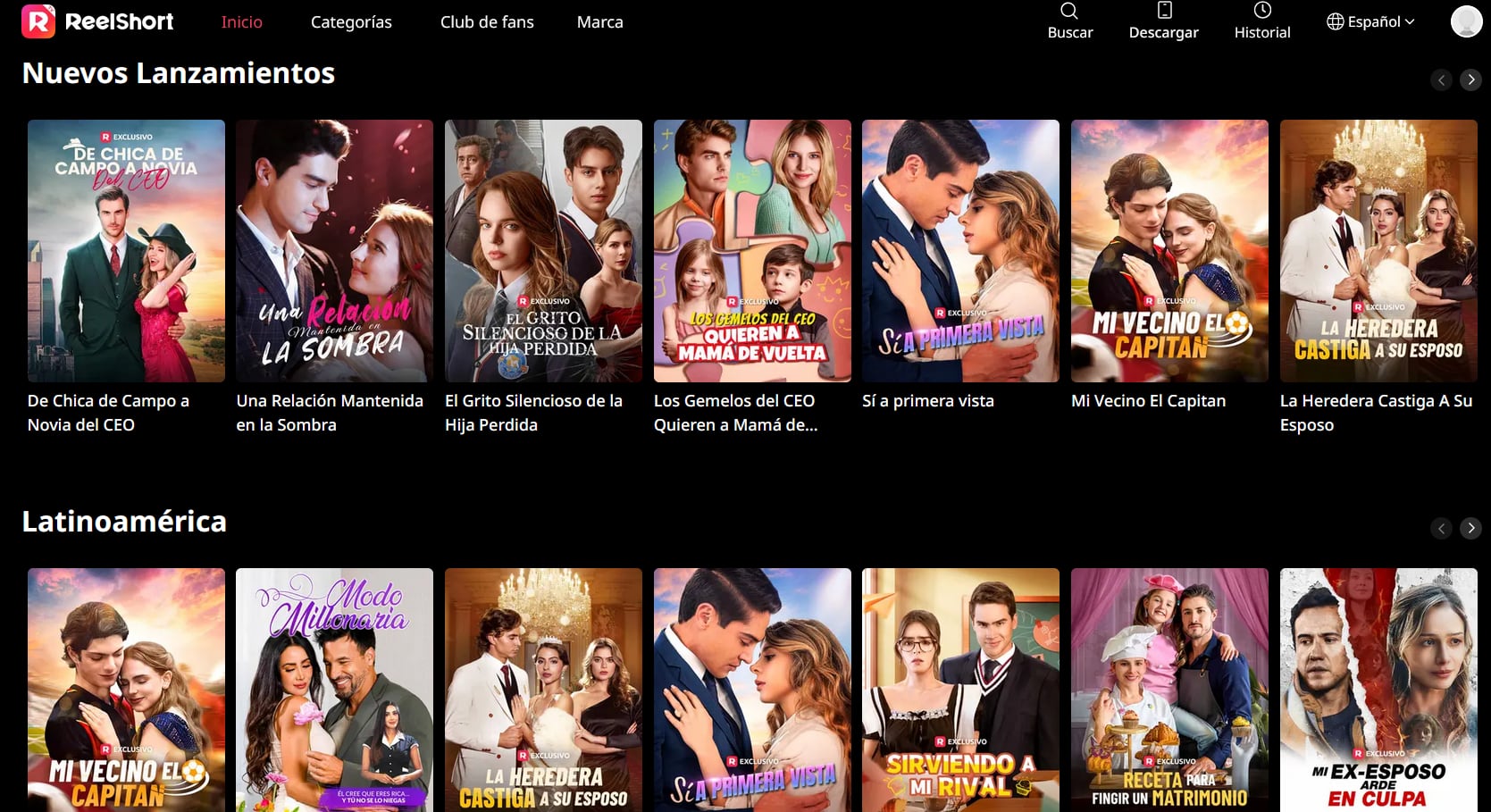
A cultural trend originating in China is challenging Hollywood and Netflix: microdramas. These vertical videos, divided into two-minute episodes, are taking off in the United States. The format is a distant relative of short clips, designed for mobile addicts. Series appear on platforms like TikTok and are available in dedicated apps such as ReelShort and Dramabox.
The series "Found a Homeless Billionaire Husband for Christmas" amassed over 400 million views, according to Omdia. YouTube reported that microdramas surpassed 6.5 billion views in the first half of the year, with viewing time up 50% year-over-year. They are strangely irresistible. Apps specializing in microdramas hook viewers with free episodes and then offer various payment options for the rest, either by chapters or annual subscriptions.
The low costs also make them attractive to producers. A microdrama series costs $300,000. AI further reduces overall expenses. In China, where short dramas took off around 2020, 95% of those launched in the first quarter of this year were generated using AI, according to MoffettNathanson. The main actors' union in Hollywood was forced to set rules to protect its affiliates during filming.
Previous attempts to promote this format stumbled over difficulties. However, this time, users might prove more receptive. Revenue forecasts for microdramas remain relatively modest, generating around $1.5 billion this year, according to Omdia. In China, they have already reached $9 billion, above the $7 billion spent on cinema tickets.
This rapid surge would absorb part of the budget dedicated to leisure and pressure Netflix and others, who already face a slowdown. Microdramas are ready to carve out their own path. The authors are Reuters Breakingviews columnists. Opinions are their own. Translation by Carlos Gómez Abajo is the responsibility of CincoDías.
Written by urgent.news from El Pais Economia's reporting — not their text. Machine-written — may contain errors; check the original before relying on it.