Iran threatens to attack undersea cables in the Strait of Hormuz, calls them 'legitimate new targets' in future conflict
Iran could attack seven undersea cables that run through the Strait of Hormuz, describing them as "legitimate new targets" in a potential "third phase" of further conflict with the United States.
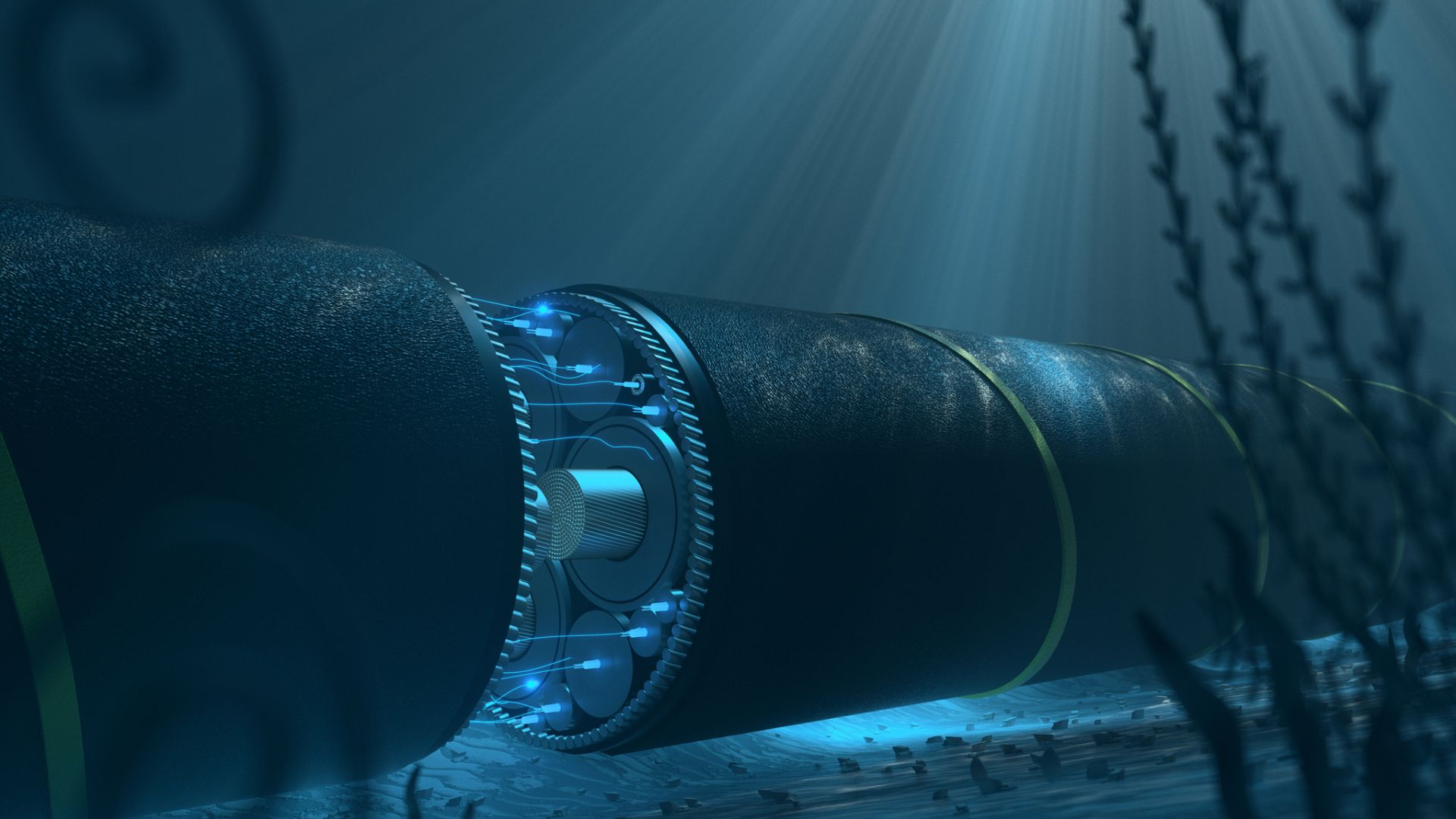
Iran has reportedly designated undersea fiber cables running through the Strait of Hormuz as potential targets for future attacks, according to General Hossein Mohebbi, a spokesman for Iran's Islamic Revolutionary Guard Corps. These cables, crucial for internet and commercial data transmission, number seven and pass beneath the strategic waterway.
Mohebbi suggested that a "third phase" of the ongoing conflict between the United States and Iran could introduce new targets and weaponry. The specific cable mentioned corresponds to the Asia-Africa-Europe-1 cable, which spans 15,050 miles and traverses Oman, the UAE, and Qatar, all of which share direct maritime borders with Iran.
Experts believe the threat is credible, with Professor Alesso Patalano from King's College London stating that the possibility is not new and that divers could physically destroy these cables. Iran had contemplated severing the cables multiple times since the war began, though it avoided doing so to avoid declaring war on the entire world and creating additional enemies.
This threat adds to a growing list of concerns regarding undersea infrastructure security, as evidenced by a recent incident where a Russian ship was chased from British waters by a Royal Navy attack helicopter, due to its proximity to five undersea cables linking the UK with Spain, Portugal, Canada, and the U.S.
Written by urgent.news from Tom's Hardware's reporting — not their text. Machine-written — may contain errors; check the original before relying on it.