From Potential to Practice: Africa’s AI decade has begun
A month after PAAIS 2026, the summit's convenor reflects on what the room revealed and what leaders in boardrooms and ministries must do now.
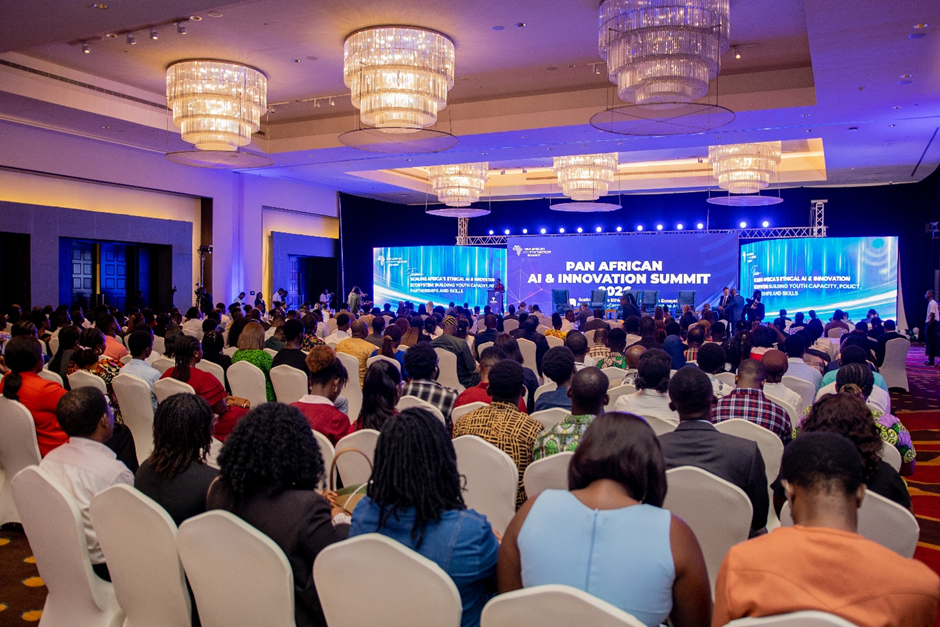
A month after the Pan African AI & Innovation Summit, the summit's organizer reflects on the revelations and actions required from leaders in boardrooms and ministries. Watching the highlights from this year's event, the organizer was more impressed by the audience than the stage. Bankers, students, regulators, founders, and civil servants all shared the same space and tackled a common issue as one.
This demonstrates the purpose of the Pan African AI & Innovation Summit: to bring people together who rarely interact and tackle shared problems.
The global narrative of artificial intelligence often portrays Africa as the audience, with AI models trained elsewhere on data that doesn't reflect African languages, markets, or people. The risk of this approach is that African societies live under terms written by others, with AI models serving their economies, institutions, and people on their terms. This September's summit revealed a refusal to accept this role, with African leaders deciding how AI will serve their economies, institutions, and people.
Ambition is often mistaken for readiness, but it is not. During the summit, PAAIS surveyed 100 professionals from 89 institutions ahead of the AI masterclass. Surprisingly, 65% of organizations were still in the pre-pilot stage, while 68% lacked AI governance committees. Particularly concerning, 18 out of 35 organizations already piloting or scaling AI didn't have such committees. This shows that despite the enthusiasm, many organizations are moving ahead without proper accountability structures.
The summit's four commitments include equipping young people with skills, strengthening policy and digital sovereignty, unlocking partnership and investment, and ensuring ethical AI applications in health, agriculture, education, and finance. These commitments cannot be achieved independently, as a skilled graduate without investors, brilliant regulation without industry understanding, and investments without ethical guardrails all stall. The summit aimed to bring together these forces to recognize their interdependence.
To business leaders, establish AI governance before your next pilot, and to technology leaders, build for the user in Kumasi as seriously as the user in London. Government institutions should recognize that convening is critical infrastructure. Digital sovereignty is not just about where data is stored, but also about possessing the capability, expertise, and confidence to make strategic decisions for ourselves.
The energy at the summit was not just statistical but filled with hope, as people wanted to know whether AI could work for them, whether it would benefit a nurse, a farmer, a bank teller, or a young person.
The work started at this summit will take a generation to complete. No one will hand Africa an AI future tailored to our needs. We must build it together in rooms like this one, solving our own challenges and then carrying it back into our boardrooms, ministries, and classrooms. The conversation continues toward PAAIS 2027, inviting all leaders to join the dialogue.
Written by urgent.news from MyJoyOnline Ghana's reporting — not their text. Machine-written — may contain errors; check the original before relying on it.