Dollar weakens as US yields, oil prices fall
Investors have sought refuge in the US dollar amid market volatility driven by the Middle East war and AI investment frenzy, partly because of US energy independence.

The US dollar exhibited weakness on Wednesday after experiencing a three-week low the previous day, as falling Treasury yields and reduced crude oil prices diminished its allure. The Australian dollar approached a three-week peak against the US dollar, with Reserve Bank of Australia Deputy Governor Andrew Hauser expressing uncertainty about potential further interest rate hikes, citing a materially worsening inflation outlook.
The Australian currency climbed slightly to US$0.7013, narrowly below its previous day's peak of US$0.7017. The US dollar index, gauging the currency's strength against six counterparts, remained unchanged at 101.78, having slipped 0.2% on Tuesday. Investors have gravitated towards the greenback as a refuge during market turbulence stemming from Middle East conflict and artificial intelligence mania, partly due to its energy independence.
Oil prices softened overnight after peaking at a five-month high, as traders balanced a potential meeting between Iranian President and Pakistan's army chief, a US-Iran intermediary, against ongoing Houthi assaults on Saudi infrastructure and reports of vessel attacks in the Gulf. Wall Street delivered a robust performance as technology earnings season commenced with SpaceX's results.
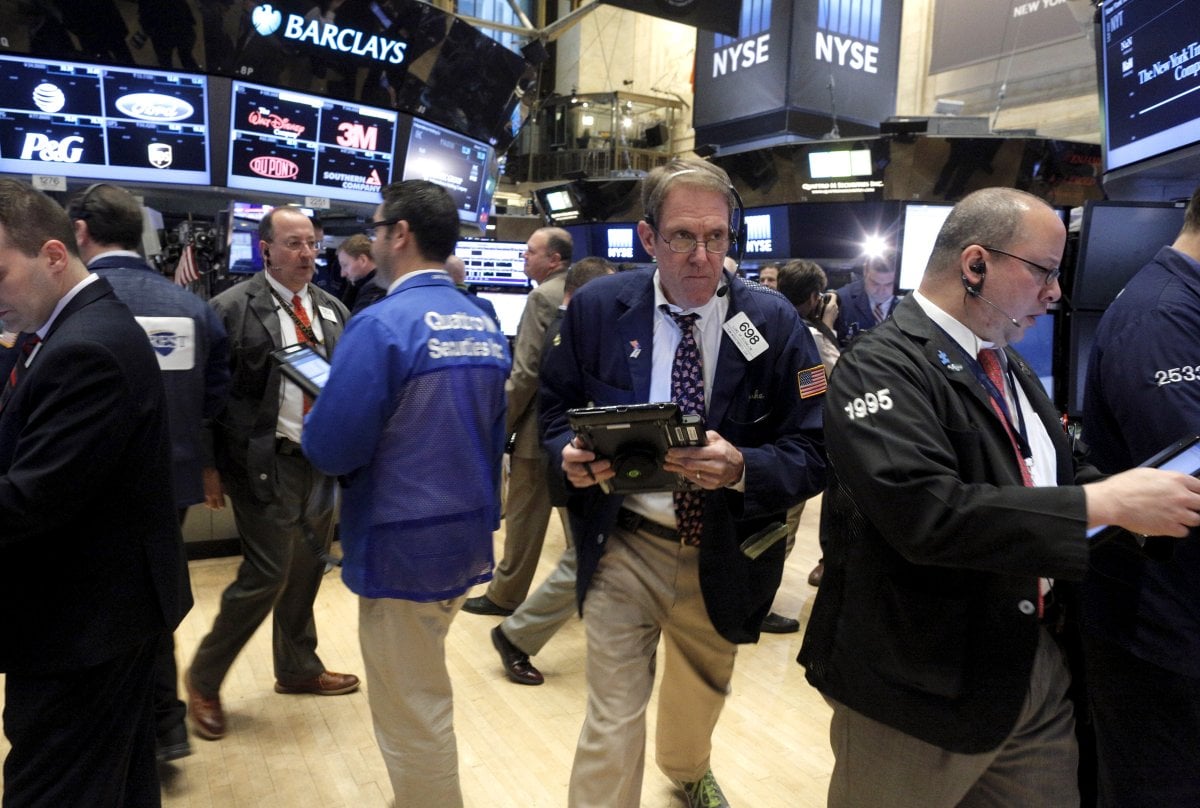
Nikkei and KOSPI indices in Japan and South Korea respectively surged on Wednesday. With equity market sentiment and growth outlook closely linked to the performance of major tech companies, their earnings announcements can significantly impact the USD, according to Carol Kong, economist and currency strategist at Commonwealth Bank of Australia.
Amid mixed performance of traditional safe-haven assets this year, the USD has stood out as the clear standout. Safe-haven demand for the USD is expected to wane once the Middle East conflict concludes and energy prices decline. However, the USD is anticipated to trend modestly upwards in the forthcoming months as foreign capital inflows into US markets rise.
The greenback remained steady at 158.33 yen and unchanged at US$1.1229 per euro and US$1.33735 against the British pound. Nevertheless, traders remained apprehensive about the euro, given France's grappling with widespread anti-government protests and deteriorating fiscal situation. France planned to bolster police forces with troops and mount a massive security operation for additional protests scheduled for Saturday, acknowledging shortcomings in its response to last weekend's violence.
Central banks, including the US Federal Reserve, European Central Bank, and Bank of Japan, are scheduled to announce policy decisions on successive days starting the following Wednesday, but no interest rate changes are anticipated at any of those meetings. The Reserve Bank of New Zealand and Bank of Canada will make policy decisions on the same day as the Fed, with traders speculating on quarter-point hikes by both.
The New Zealand dollar declined 0.1% to US$0.5677 on Wednesday, while Canada's loonie held steady at C$1.4064.
Written by urgent.news from Free Malaysia Today's reporting — not their text. Machine-written — may contain errors; check the original before relying on it.
This story
This is one outlet's version. Read the fullest account.
- Dollar on back foot as US yields, crude prices dip; Aussie buoyed by hawkish RBA channelnewsasia.com
- Dollar weakens as US yields, oil prices fall freemalaysiatoday.com
- Aussie Dollar breaks 0.70 as RBA inflation warning fuels two-week high fxstreet.com