Bangladesh garment factory workers bear the brunt of rising temperatures
One afternoon earlier this year, Mridula collapsed on the floor of the Dhaka garment factory where she works, overcome by dizziness in the heat. The 20-year-old sewing operator, who works at a factory in Mirpur, northwest Dhaka, said summer heat often leaves her restless and “physically uncomfortable.” “The heat can be very difficult to tolerate,” […]
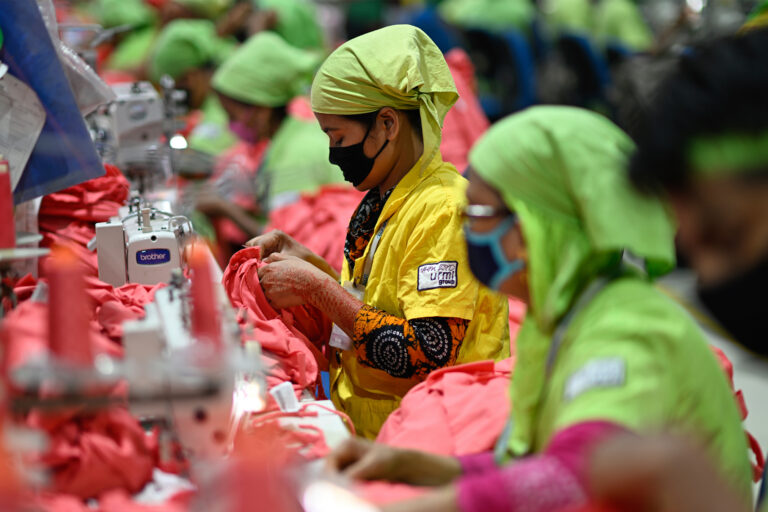
Workers in Bangladesh's garment factories are facing a growing threat from rising temperatures, according to recent reports. One factory employee, Mridula, recently collapsed on the job due to heat exhaustion, only to be sent home with a leave of absence after a brief medical evaluation. Mridula, who works in a Mirpur garment factory in Dhaka, reported that the sweltering heat often leaves her feeling "physically uncomfortable."
Experts warn that this is just one of many heat-related issues faced by the country's 4.2 million garment workers, of which 60% are women. A 2025 World Bank report revealed that Bangladesh's maximum temperature has increased by 1.1°C since 1980. In April 2023, Dhaka experienced its highest temperature in decades, with the city reaching 40.6°C. Later that year, the nation endured a 30-day heat wave without a break.
Researchers are increasingly concerned about the health and economic consequences of these rising temperatures, particularly for workers who are exposed to prolonged heat. The World Bank report highlights the urgent need to address occupational health and workplace safety for Bangladesh's garment industry.
Written by urgent.news from Mongabay's reporting — not their text. Machine-written — may contain errors; check the original before relying on it.