Taste the past at Gyeongbok Palace as royal sauce storage opens to public
In the quiet, stone-paved courtyards of Gyeongbok Palace, the heart of Korea’s 1392-1910 Joseon Dynasty, stands a rare enclave reserved for the deep secrets of royal cuisine: the Janggo. For centuries, this specialized pavilion served as the palace’s dedicated sauce storage, housing hundreds of giant earthenware jars where fermented soy paste and sauces aged slowly under the watchful eyes of…
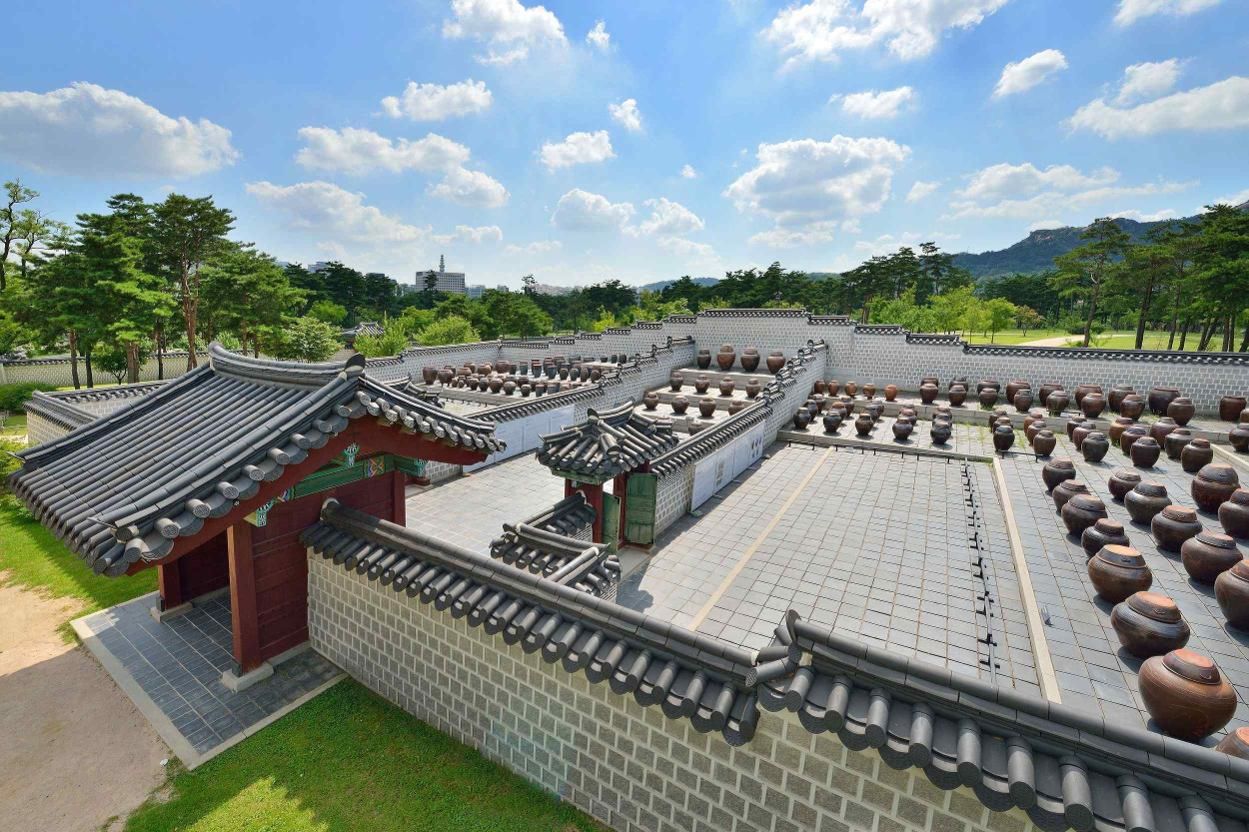
Deep within the serene stone courtyards of Gyeongbok Palace, a hidden gem unveils its ancient secrets to the public. The Janggo, a specialized pavilion once reserved for royal cuisine, now opens its historic gates for a five-day cultural experience starting November 4. This secluded space, untouched by time, played a crucial role in preserving the essence of Korean culinary heritage for centuries.
The Janggo was not merely a storage unit; it was the heart of the palace's sauce storage system. Within its walls resided hundreds of colossal earthenware jars, carefully filled with fermented soy paste and various sauces that aged slowly, their flavors deepening with each passing day. Royal court ladies, tasked with the delicate task of tending to these jars, ensured the perfect balance of taste and tradition.
Fermented soybean paste, or jang, is more than just a condiment in Korean cuisine; it is the fundamental flavor base that anchors everything from daily family stews to the grandest royal banquets. The process of making jang, steeped in centuries of communal ritual, is a testament to the Korean philosophy of seasonality, patience, and harmony with nature.
Each step, from timing the fermentation to the winter air to the meticulous care of the earthenware jars, reflects a deep respect for the natural world and a commitment to preserving culinary traditions.
As the Royal Palaces and Tombs Center, in collaboration with the Korea Heritage Agency, invites visitors to step back in time, the Janggo offers a unique opportunity to experience the rich history and cultural significance of royal cuisine. For five days, the gates of this enigmatic pavilion swing open, allowing the public to taste the past and gain a deeper understanding of Korea's culinary legacy.
Written by urgent.news from The Korea Times's reporting — not their text. Machine-written — may contain errors; check the original before relying on it.