Oil eases as markets assess potential waiver on Russian energy, Middle East supply risks
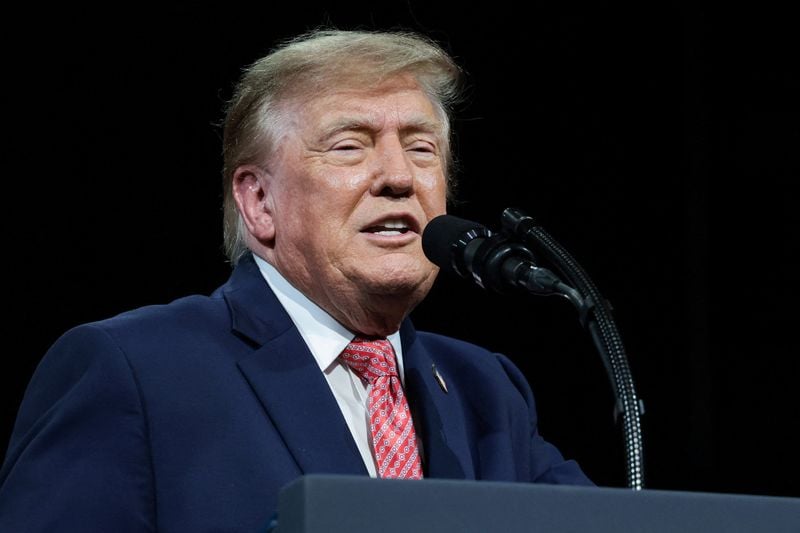
Oil prices fell on Tuesday as markets weighed an executive order from US President Donald Trump that waived some sanctions and tariffs tied to Russian energy exports, while attacks on Saudi Arabia and Yemen kept fears of Middle East supply disruptions in view. Brent crude futures fell 49 cents, or 0.45%, to $109.06 a barrel by 0010 GMT. The US West Texas Intermediate crude (WTI) contract for…
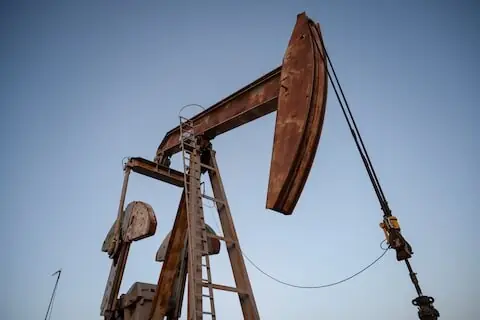
Oil prices experienced a decline on Tuesday as market participants considered the implications of a potential waiver on US sanctions and tariffs related to Russian energy exports. The order, issued by President Donald Trump, sought to relax some restrictions tied to the country's energy exports. However, ongoing attacks on Saudi Arabia and Yemen continued to fuel concerns about potential disruptions to Middle East oil supplies.
Brent crude futures experienced a drop of 49 cents, or 0.45%, to $109.06 per barrel by 0010 GMT. Meanwhile, the US West Texas Intermediate (WTI) contract for November delivery, set to expire the same day, saw a slight decrease of 0.33%, settling at $103.32 per barrel. The December contract, which was more actively traded, experienced a decline of 46 cents, or 0.47%, to $98.08 per barrel.
Brent oil had reached a high of $110.70 per barrel in the previous trading session, marking its highest level since May 20. The executive order, announced by Trump on Friday night, waivered key Russia-related US sanctions and tariffs, including duties on Russian goods and penalties for purchasing its oil and gas. However, Trump did not provide a final decision on the matter on Saturday, while Secretary of State Marco Rubio expressed a desire for additional time to assess the situation.
Russia's crude oil production saw an increase of 65,000 barrels per day in September, reaching 8.43 million barrels per day (bpd). Despite this rise, Russia's production remained around 870,000 bpd lower than the previous year, according to the International Energy Agency (IEA). While the potential for additional Russian diesel supply may provide some relief, traders are primarily focused on the persistent risk of further damage to energy infrastructure in the Gulf region.
The Houthis, a militant group in Yemen, claimed responsibility for several attacks on Saudi energy, airport, and military targets, including an Aramco site in Yanbu, the Shaybah oilfield, King Khalid International Airport in Riyadh, and Abha airport. Saudi authorities have not yet confirmed these claims, and Reuters could not independently verify them. The attacks resulted in the deaths of 58 people and injuries to over 200 others.
The renewed Houthis attacks heightened concerns about regional stability and emphasized the ongoing risks to energy supply from the Middle East, which helped maintain oil prices above $100 a barrel. In the United States, crude oil inventories were expected to have decreased last week, along with product inventories, according to a preliminary Reuters poll published on Monday.
Written by urgent.news from Business Recorder's reporting — not their text. Machine-written — may contain errors; check the original before relying on it.
Also reported by 4 other outlets
- Oil eases as markets assess potential waiver on Russian energy, Middle East supply risks channelnewsasia.com
- Oil eases as markets assess Russian energy waiver, Middle East supply risks nst.com.my
- Oil eases as markets assess potential waiver on Russian energy, Middle East supply risks investing.com
- Oil eases as markets assess potential waiver on Russian energy, Middle East supply risks economictimes.indiatimes.com